4.0
2 verified reviews
About
Walk past the rows of overpriced paella traps on Passeig de Joan de Borbó, keep going until the smell of coconut tanning oil fades and is replaced by the sharp, honest stench of diesel, brine, and fish guts. This is Moll de l'Escar. It is the industrial heart of Barceloneta, a place that doesn't give a damn about your Instagram feed or your desire for a 'curated experience.' This is where the city’s fishing fleet—the real one, not the decorative kind—comes to unload the day’s haul and lick its wounds.
In a city that often feels like it’s being slowly devoured by its own tourism industry, Moll de l'Escar is a necessary reality check. To your left, you’ve got the gleaming superyachts of the billionaire class, floating palaces that look like they were designed by Bond villains. To your right, at the Moll de l'Escar, you have the trawlers. They are rusty, scarred, and beautiful in their utility. These boats are the lifeblood of the city’s remaining traditional seafood restaurants, bringing in the red prawns and hake that define Catalan coastal cuisine.
The centerpiece of this wharf is the Torre del Rellotge, or the Clock Tower. It wasn't always a clock. Built back in 1772, it served as the port’s original lighthouse. When the port expanded and the lighthouse became redundant, they slapped a clock face on it in 1904 rather than tearing it down. It stands as a silent witness to the neighborhood's transformation from a gritty fisherman’s enclave to a global tourist magnet. It’s one of the few things in this part of town that hasn't been sold off or polished into oblivion.
Adjacent to the wharf is the Confraria de Pescadors, the Fishermen’s Guild. This is where the magic—and the commerce—happens. The fish auction (La Llotja) is a high-speed, high-stakes theater of commerce where the morning’s catch is sold off to wholesalers and restaurateurs. While the auction itself is generally closed to the casual wanderer, the energy of the place is palpable from the perimeter. You’ll see men in heavy rubber boots, weathered by decades of Mediterranean sun, hauling crates and shouting over the hum of engines. It’s a visceral reminder that before Barcelona was a 'destination,' it was a port.
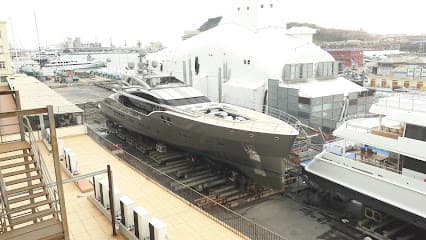
Is Moll de l'Escar 'pretty'? Not in the way the Gothic Quarter is. It’s industrial. There are stacks of nets, rusted winches, and the constant clatter of the MB92 shipyard nearby, where the world’s largest yachts come for a refit. But if you want to understand the soul of Barceloneta—the part that hasn't been sanitized for your protection—this is where you find it. It’s one of the best things to do in Barceloneta if you’re tired of the crowds and the kitsch.
Come here in the late afternoon when the boats are returning. Watch the seagulls go into a frenzy as the nets are cleared. It’s a scene that has played out for centuries, indifferent to the changing skyline or the massive cruise ships looming in the distance. It’s honest work in a city that sometimes feels like it’s forgotten what that looks like. If you’re looking for things to do in Barcelona that offer a glimpse behind the curtain, this is your spot. Just stay out of the way of the forklifts; they won't stop for your selfie.
Type
Tourist attraction
Duration
45-60 minutes
Best Time
Late afternoon to watch the fishing boats return.
Features
Tourist attraction
Categories
Maritime HistoryIndustrial HeritagePhotographyLocal Culture
Ticket Prices
Free Admission
No tickets required
Opening Hours
- Monday8 AM to 5 PM
- Tuesday8 AM to 5 PM
- Wednesday8 AM to 5 PM
- Thursday8 AM to 5 PM
- Friday8 AM to 5 PM
- SaturdayClosed
- SundayClosed
Must-See Highlights
Torre del Rellotge (Clock Tower)
The returning fishing trawlers
Views of the MB92 superyacht shipyard
The Confraria de Pescadors building
Visitor Tips
Bring a camera for the contrast between the rusty fishing boats and the luxury yachts.
Stay behind the safety lines; this is a working industrial area with active machinery.
Combine this with a walk to the end of the breakwater for the best sea breezes in the city.
Good For
Photography enthusiastsHistory buffsSolo travelersBudget travelers
Why Visit
The 1772 Torre del Rellotge, a lighthouse-turned-clock that is one of the oldest structures in the port.
The last remaining active fishing wharf in central Barcelona, offering a glimpse of the city's maritime soul.
Direct proximity to the world-class MB92 shipyard, where you can see some of the world's largest superyachts out of the water.
Nearby Landmarks
- 5-minute walk to Barceloneta Beach
- 8-minute walk to Museum of History of Catalonia
- 10-minute walk to W Barcelona Hotel
- 12-minute walk to Maremagnum Shopping Centre
Accessibility
- Outdoor public area
- Flat paved surfaces
- Accessible via public promenade
Location
Pg. de Joan de Borbó, 84
Ciutat Vella, Barcelona
Nearby Hotels
Nearby Restaurants
In Ciutat Vella
ATTRACTION
Park
Ciutat Vella
A thousand years of silence tucked behind a Romanesque monastery, where the grit of El Raval dissolves into ancient stone, cool shadows, and the heavy weight of history.
0.0(0)
Park
ATTRACTION
BARSHELONA
Ciutat Vella
Forget the plastic bulls and tacky magnets. This is where Barcelona’s soul is bottled into art, a small sanctuary of local design hidden in the shadows of the Gothic Quarter.
0.0(0)
Tourist attraction
ATTRACTION
Minajoe art
Ciutat Vella
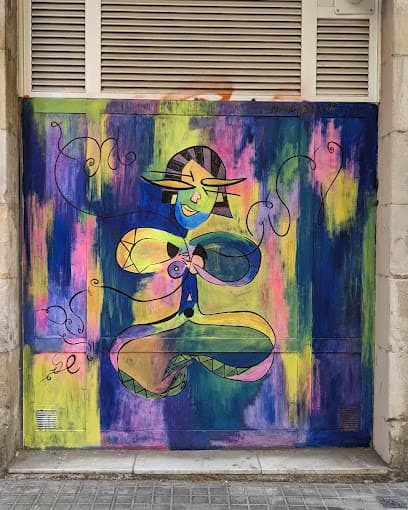
A raw, paint-splattered antidote to the sterile museum circuit. This is where pop-art meets the grit of the street, served straight from the artist’s hands in the heart of old Barcelona.
0.0(0)
Tourist attraction
Frequently Asked Questions
Is Moll de l'Escar worth visiting?
Yes, if you want to see the authentic, industrial side of Barcelona's maritime history away from the tourist crowds. It offers a raw look at the city's working fishing fleet and the historic 18th-century Clock Tower.
Can you visit the fish auction at Moll de l'Escar?
The fish auction (La Llotja) is primarily for professionals, but some local maritime tour companies offer guided visits. Generally, you can observe the activity of the fishing boats from the public wharf areas.
What is the best time to visit Moll de l'Escar?
Late afternoon (around 3:30 PM to 5:00 PM) is best, as this is when the fishing trawlers typically return to the port to unload their catch, creating a lively and authentic atmosphere.
How do I get to Moll de l'Escar?
Walk to the very end of Passeig de Joan de Borbó in Barceloneta. It is located near the Torre del Rellotge and the MB92 shipyard, about a 15-minute walk from the Barceloneta Metro station (L4).
Reviews
0 reviews for Moll de l'Escar
No reviews yet. Be the first to share your experience!