4.5
1,961 verified reviews
About
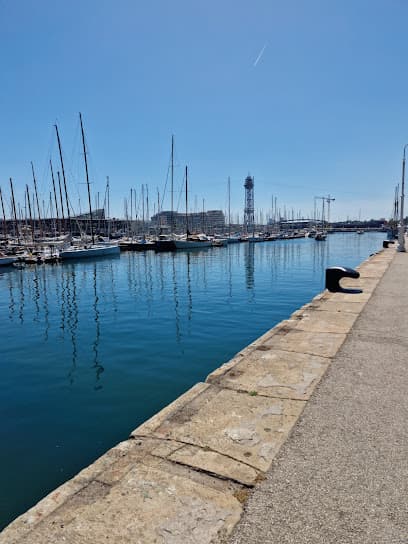
For decades, Barcelona was a city with its back turned to the sea. It was a place of walls, railway tracks, and industrial grime that kept the salt air at arm's length. Then came the eighties, the Olympic fever, and a collective realization that the Mediterranean was actually worth looking at. Enter Moll de la Fusta—the 'Wooden Wharf.' It’s a slab of history and urban planning that smells like salt, ambition, and the faint, lingering ghost of industrial decay, now polished up for the masses.
Designed by Manuel de Solà-Morales, this isn't just a sidewalk; it’s a multi-layered urban experiment. You’ve got the Ronda Litoral highway humming away in a trench beneath you, while above, you’re walking on a wide, palm-lined promenade that feels like the city’s front porch. It’s one of the best waterfront Barcelona spots to understand how the city transitioned from a gritty port town to the global postcard it is today. On a good day, the light hits the water just right, and you can almost forget the tourist traps lurking a few blocks away in the Gothic Quarter.
Walk toward the water and you’ll find the Pailebot Santa Eulàlia, a restored 1918 schooner that’s the real deal. It’s not some plastic replica built for photo ops; it’s a working piece of the Maritime Museum’s collection. For a few euros, you can step onto the deck and feel the wood under your boots, a sharp contrast to the sleek, billionaire-owned mega-yachts docked nearby that look like they belong in a Bond villain’s fleet. This contrast is the essence of the modern Port Vell—old soul meeting new money.
If you’re here in the summer, be warned: the Moll is a concrete oven. The palm trees provide about as much shade as a cocktail umbrella. You’ll see tourists turning a dangerous shade of lobster-red as they trek toward Barceloneta. But come winter, the place transforms. The Fira de Nadal del Port Vell—the local Christmas fair—takes over with a massive Ferris wheel that glows against the night sky and a skating rink that feels delightfully absurd in a Mediterranean climate. The air fills with the scent of churros and fried dough, and for a moment, the corporate sheen of the nearby Maremagnum mall fades into the background.
Look up and you’ll see the 'Cara de Barcelona,' Roy Lichtenstein’s pop-art hallucination of a face, exploding in colorful tiles against the blue sky. It’s weird, it’s loud, and it’s perfectly Barcelona. The Moll de la Fusta is a transit zone, a place of movement where joggers dodge slow-moving families and street performers compete with the sound of clanking masts. It’s not 'undiscovered,' and it’s certainly not quiet, but it is honest. It’s the sound of a city breathing, finally enjoying the breeze it spent a century trying to ignore.
Is it worth it? If you want to see the scale of Barcelona’s transformation, yes. If you want a place to sit with a beer and watch the sun dip behind Montjuïc while the harbor lights flicker on, absolutely. Just don’t expect a pristine, quiet park. This is a working edge of a living city, and it’s all the better for its noise and its heat. It’s where the grit of Ciutat Vella meets the infinite blue of the sea, and that’s a border worth crossing every single time.
Type
Tourist attraction
Duration
1-2 hours
Best Time
Late afternoon or sunset to avoid the midday heat and see the harbor lights come on.
What People Say
strolling(50)port(27)ferris wheel(26)christmas fair(21)rink(14)activity(12)yachts(11)circus(8)
Features
Tourist attraction
Categories
ArchitectureWaterfrontMaritime HistoryPublic Space
Ticket Prices
Free Admission
No tickets required
Opening Hours
- MondayOpen 24 hours
- TuesdayOpen 24 hours
- WednesdayOpen 24 hours
- ThursdayOpen 24 hours
- FridayOpen 24 hours
- SaturdayOpen 24 hours
- SundayOpen 24 hours
Must-See Highlights
Pailebot Santa Eulàlia historic ship
The 'Cara de Barcelona' (Barcelona Head) sculpture
Views of the Custom House (Aduana) building
The wooden slatted walkway sections near the water
Visitor Tips
There is very little shade, so bring water and sunscreen if visiting during the day.
The lower level near the water is much quieter than the upper palm-lined promenade.
Check the Port Vell event calendar as this space frequently hosts free outdoor concerts and food markets.
Good For
FamiliesPhotography enthusiastsJoggersBudget travelers
Why Visit
The Pailebot Santa Eulàlia, a genuine 100-year-old restored schooner
Innovative split-level urban design that hides the city's main coastal highway
Primary host site for the spectacular Port Vell Christmas Fair and Ferris wheel
Nearby Landmarks
- 5-minute walk from Columbus Monument
- 5-minute walk from Maremagnum Shopping Centre
- 10-minute walk from Basilica of Santa Maria del Mar
- 15-minute walk from Barceloneta Beach
Accessibility
- Fully wheelchair accessible with ramps connecting the different levels of the promenade.
Location
Ronda Litoral, 1740
Ciutat Vella, Barcelona
Nearby Hotels
Nearby Restaurants
In Ciutat Vella
ATTRACTION
Park
Ciutat Vella
A thousand years of silence tucked behind a Romanesque monastery, where the grit of El Raval dissolves into ancient stone, cool shadows, and the heavy weight of history.
0.0(0)
Park
ATTRACTION
BARSHELONA
Ciutat Vella
Forget the plastic bulls and tacky magnets. This is where Barcelona’s soul is bottled into art, a small sanctuary of local design hidden in the shadows of the Gothic Quarter.
0.0(0)
Tourist attraction
ATTRACTION
Minajoe art
Ciutat Vella
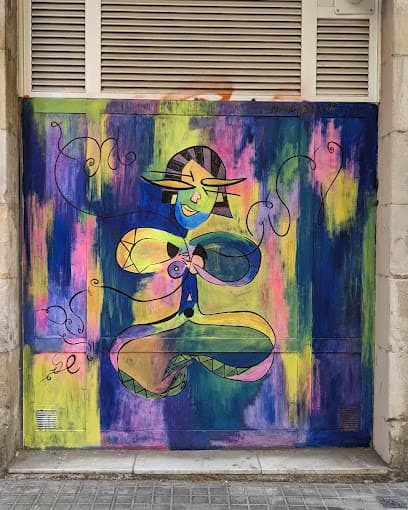
A raw, paint-splattered antidote to the sterile museum circuit. This is where pop-art meets the grit of the street, served straight from the artist’s hands in the heart of old Barcelona.
0.0(0)
Tourist attraction
Frequently Asked Questions
Is Moll de la Fusta worth visiting?
Yes, especially if you enjoy waterfront walks and maritime history. It offers some of the best views of Port Vell and hosts major events like the Christmas Fair and various food festivals.
What should I see at Moll de la Fusta?
Don't miss the Pailebot Santa Eulàlia, a historic 1918 schooner docked at the wharf, and the iconic 'Cara de Barcelona' sculpture by Roy Lichtenstein located at the northern end.
How do I get to Moll de la Fusta?
The easiest way is via Metro Line 3 (Green) to Drassanes or Line 4 (Yellow) to Barceloneta. It is a short 5-minute walk from the bottom of La Rambla.
Is there a Christmas market at Moll de la Fusta?
Yes, the Fira de Nadal del Port Vell takes place here every December, featuring a giant Ferris wheel, a traditional market, and an ice rink.
Reviews
0 reviews for Moll de la Fusta
No reviews yet. Be the first to share your experience!