4.3
3 verified reviews
About
If you’re looking for the Barcelona of the glossy brochures—the one with the perfectly manicured trencadís and the overpriced sangria—keep walking. This isn’t it. To get to the Mirador in Nou Barris, you have to leave the Gothic Quarter behind, shed the skin of a tourist, and head north until the streets start to tilt and the air smells less like expensive perfume and more like pine needles and laundry detergent. This is the real deal. This is the city’s backyard, and it’s beautiful in a way that doesn’t care if you like it or not.
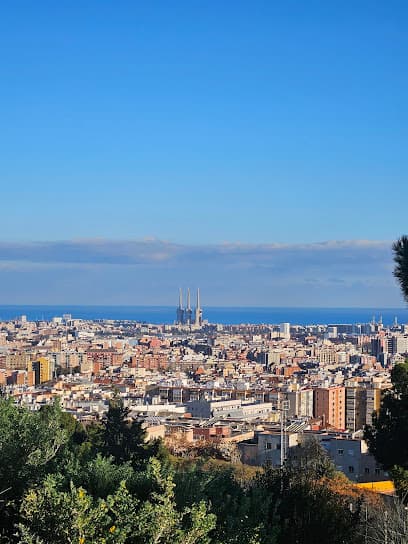
Located on the rugged slopes of the Roquetes neighborhood, this viewpoint is a concrete balcony overlooking a sea of social housing blocks, winding highways, and, eventually, the actual sea. It’s a place where the 'polygons'—those massive 1960s housing projects—stretch out like a grid of human ambition and struggle. From here, the Sagrada Família looks like a tiny, ornate toy lost in a forest of grey stone. It’s a perspective that puts the city in its place. You aren't looking at a monument; you’re looking at a living, breathing machine.
This isn't just a neighborhood; it's a monument to 'autoconstrucción'—self-construction. In the fifties and sixties, families arriving from Andalusia and Extremadura built these homes themselves, often under the cover of night to avoid the authorities. They didn't wait for the city to bring them water or paved roads; they dug the trenches and laid the pipes with their own hands. When you stand at this viewpoint, you’re standing on the result of that collective grit. It’s a landscape of survival, a vertical village that carved its own existence out of the hillside. The wind here carries the weight of that history, cooling the sun-baked concrete while you look down at the orderly grid of the Eixample, which feels like a different planet entirely from this self-made reality. It’s a place that demands respect, not for its aesthetics, but for the sheer human will it took to build it.
The trek up Carrer de la Travessera is a reminder that Barcelona was built on the backs of people who climbed these hills every day after working in the factories below. There are no gift shops here. No guys in neon vests trying to sell you a mojito in a plastic cup. Instead, you’ll find old men in flat caps arguing about football, teenagers sharing a secret on a bench, and the occasional stray cat who clearly owns the place. The silence is broken only by the distant hum of the Ronda de Dalt and the wind whipping off the Collserola ridge.
Is it worth the trip? That depends on what you’re after. If you want a selfie with a lizard, go to Park Güell. If you want to understand how this city actually works—how it grew, how it survived, and where its soul actually resides—then take the L3 to Canyelles and start walking. The view from here is honest. It shows you the sprawl, the grit, and the sheer scale of a Mediterranean metropolis that refuses to be tamed by a tourism board.
At sunset, the light hits the glass of the distant Torre Glòries and the Mediterranean turns a bruised purple. The city lights begin to flicker on, one by one, in thousands of apartments where people are cooking dinner and living lives that have nothing to do with you. It’s a humbling, visceral experience. It’s the kind of place where you can sit with a cheap beer from a corner store, look out at the world, and feel, for a moment, like you’ve actually seen Barcelona for what it is: a magnificent, messy, glorious accident of history.
Type
Park
Duration
1 hour
Best Time
Sunset for the city lights and dramatic sky colors.
Features
Park
Categories
ViewpointNatureLocal Culture
Ticket Prices
Free Admission
No tickets required
Must-See Highlights
The panoramic view of the Nou Barris 'polygons' (housing blocks)
The distant silhouette of the Sagrada Família against the sea
The nearby Parc Central de Nou Barris with its unique architectural fountains
Visitor Tips
Bring your own drinks and snacks as there are no kiosks directly at the viewpoint.
Wear comfortable walking shoes; the climb from the metro is steep.
Combine this with a visit to the nearby Castell de Torre Baró for a full afternoon of hiking.
Good For
Solo travelersPhotography enthusiastsBudget travelersHikers
Why Visit
Zero tourist crowds compared to Bunkers del Carmel or Park Güell
Authentic working-class neighborhood atmosphere
Unobstructed 180-degree views of the city's northern 'polygons' and the Mediterranean
Nearby Landmarks
- 10-minute walk from Parc Central de Nou Barris
- 15-minute walk from Castell de Torre Baró
- 8-minute walk from Canyelles Metro Station
Accessibility
- Steep inclines
- Paved paths available but challenging for manual wheelchairs
Location
Carrer de Travesseraau, 62I
Nou Barris, Barcelona
Nearby Hotels
Nearby Restaurants
In Nou Barris
ATTRACTION
Plaça Verda de la Prosperitat
Nou Barris
A concrete-and-chlorophyll middle finger to urban neglect, where Nou Barris locals reclaim their right to breathe, drink, and exist far from the suffocating Sagrada Familia crowds.
0.0(0)
Garden
ATTRACTION
Ascensor Canfranc - Paseo de Fabra y Puig 08031 Nou Barris
Nou Barris
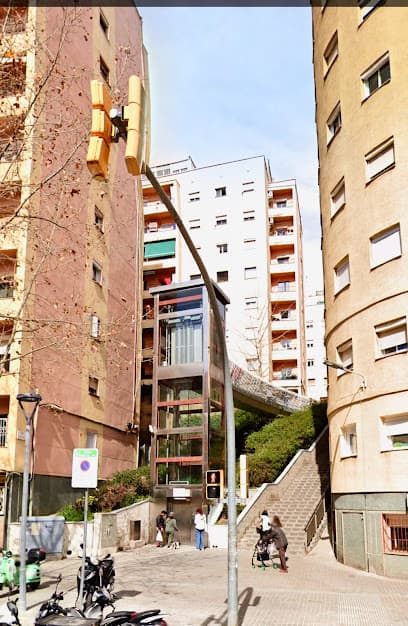
A glass-and-steel lifeline in Nou Barris that saves your knees and offers a gritty, honest view of the Barcelona tourists usually ignore. No gift shops, just gravity-defying utility.
0.0(0)
Hiking area
ATTRACTION
Carrer pimoli42
Nou Barris
The anti-tourist Barcelona. A gritty, honest stretch of Nou Barris where the Gaudí magnets disappear and the real city begins over cheap beer and the smell of rotisserie chicken.
0.0(0)
Tourist attraction
Frequently Asked Questions
Is the Mirador in Nou Barris worth visiting?
Yes, if you want to see an authentic, non-touristy side of Barcelona with panoramic views of the urban sprawl and the sea without the crowds of the city center.
How do I get to the Mirador in Nou Barris?
Take the Metro L3 to Canyelles or L4 to Roquetes. From there, it is a steep but rewarding 10-15 minute walk uphill toward the edge of the Collserola park.
Is there an entrance fee for the Mirador?
No, it is a public viewpoint located within a park area and is completely free to access at any time.
What is the best time to visit?
Sunset is the most dramatic time, as you can watch the city lights flicker on across the entire metropolitan area, though early morning offers the clearest views of the sea.
Reviews
0 reviews for Mirador
No reviews yet. Be the first to share your experience!