4.3
8 verified reviews
About
There is a specific kind of purgatory reserved for the hour before a day trip. You’re standing on a sidewalk in Barcelona, clutching a paper cup of caffeine that’s barely doing the job, staring at a red brick arch that looks like it was built for a much grander empire than the one currently shuffling toward a tour bus. This is Passeig de Lluís Companys, 5. It isn’t a monument, and it isn’t a destination. It’s a logistical gear in the machine of Catalan tourism, the designated patch of pavement where the urban chaos of the Ciutat Vella meets the spiritual silence of the mountains.\n\nTo your left, the Arc de Triomf stands as a massive, mud-red sentinel. It was the gateway to the 1888 World’s Fair, a statement of intent for a city that wanted the world to take it seriously. Today, it’s the backdrop for your check-in. You’ll see them before you see the bus: the guides in high-visibility vests, holding clipboards like they’re marshaling troops for a crusade. The crowd is a cross-section of humanity—the over-prepared hikers with retractable poles they’ll never use, the hungover students squinting against the Mediterranean sun, and the quiet pilgrims looking for something the city can’t give them.\n\nThis is the starting line for the trek toward the peaks. You aren't here for the architecture of the street; you’re here because, in about an hour, the skyline is going to change from apartment blocks and laundry-strewn balconies to the serrated, limestone teeth of Montserrat. The name literally means 'saw mountain,' and once you see those jagged pillars rising out of the Catalan hinterland, you’ll understand why the monks decided to hide a monastery up there. It’s a place that feels old—not 'European city' old, but 'geological epoch' old.\n\nWhile you wait at this meeting point near Arc de Triomf, take a second to look around. This isn't the polished, postcard version of the city. It’s a working promenade. You’ve got local dog walkers navigating around tour groups, skaters using the smooth stone of the boulevard as a playground, and the constant, low-frequency hum of traffic heading toward the coast. It’s honest. It’s the transition zone. If you’re smart, you’ve already hit one of the small cafes in the surrounding El Born streets for a real espresso and maybe a croissant that actually flakes, because once you get up to the monastery, you’re paying mountain prices for cafeteria food.\n\nIs a Montserrat mountain tour worth the early morning scramble? Absolutely. Between the Black Madonna (La Moreneta), the eerie, soaring voices of the Escolania boys’ choir, and the sheer, dizzying scale of the hiking trails, it’s the one 'tourist' thing you shouldn't skip. But the experience starts here, on this sidewalk. It’s the moment of anticipation. The diesel fumes of the idling bus might not smell like incense yet, but they’re the smell of departure. You’re leaving the grid of the Eixample and the narrow veins of the Gothic Quarter for something much larger and much more indifferent to your presence. Stand on the curb, check your ticket, and get ready for the climb. The mountain doesn't care if you're ready, but the bus leaves at 8:00 AM sharp, and it won't wait for your soul to catch up.
Type
Tourist attraction
Duration
6-9 hours
Best Time
Early morning (7:30 AM - 8:00 AM) for tour departures to beat the mountain crowds.
Guided Tours
Available
Features
Tourist attraction
Categories
ToursDay TripsLogistics
Ticket Prices
adult€55-€90
child€40-€70
senior€50-€80
Must-See Highlights
The Arc de Triomf at sunrise
The Black Madonna (at the destination)
The Escolania Boys' Choir (at the destination)
Santa Cova funicular views
Visitor Tips
Arrive at least 15 minutes before your scheduled departure; these buses operate on a tight schedule.
Look for the specific logo of your tour operator (Amigo Tours, Explore Catalunya, etc.) as multiple groups meet here.
Use the restrooms at a nearby cafe before boarding, as not all tour buses have facilities.
Good For
Day trippersPhotography enthusiastsNature loversReligious pilgrims
Why Visit
Steps away from the massive red-brick Arc de Triomf
The main staging ground for mountain-bound tour operators
Easy access via the L1 Metro and Rodalies trains
Nearby Landmarks
- Arc de Triomf (1-minute walk)
- Parc de la Ciutadella (3-minute walk)
- El Born Cultural and Memorial Center (7-minute walk)
Accessibility
- Wheelchair accessible sidewalk
- Near accessible Metro station (Arc de Triomf)
Location
Passeig de Lluís Companys, 5
Ciutat Vella, Barcelona
Nearby Hotels
Nearby Restaurants
In Ciutat Vella
ATTRACTION
Park
Ciutat Vella
A thousand years of silence tucked behind a Romanesque monastery, where the grit of El Raval dissolves into ancient stone, cool shadows, and the heavy weight of history.
0.0(0)
Park
ATTRACTION
BARSHELONA
Ciutat Vella
Forget the plastic bulls and tacky magnets. This is where Barcelona’s soul is bottled into art, a small sanctuary of local design hidden in the shadows of the Gothic Quarter.
0.0(0)
Tourist attraction
ATTRACTION
Minajoe art
Ciutat Vella
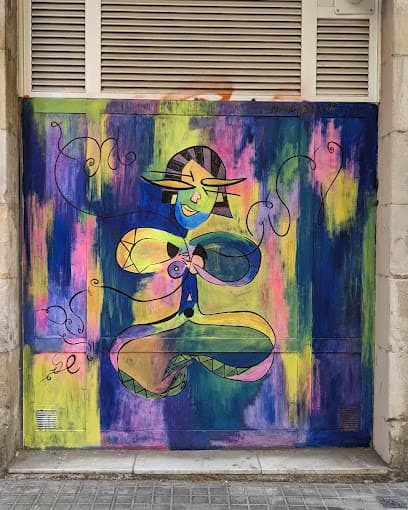
A raw, paint-splattered antidote to the sterile museum circuit. This is where pop-art meets the grit of the street, served straight from the artist’s hands in the heart of old Barcelona.
0.0(0)
Tourist attraction
Frequently Asked Questions
Is the Montserrat day trip worth it?
Yes. Usually, 'tourist highlights' are a trap, but the jagged geology and the Benedictine abbey are the real deal. Even the choir manages to cut through the noise.
How do I get to the meeting point at Passeig de Lluís Companys, 5?
The easiest way is via the Metro L1 (Red Line) to the Arc de Triomf station. The meeting point is a two-minute walk from the station exit, right near the arch.
What should I bring for a Montserrat tour?
Even if it is warm in Barcelona, the mountain is significantly cooler and windier. Bring a jacket, sturdy walking shoes if you plan to hike, and water.
Are there places to eat near the meeting point?
Yes, the surrounding El Born neighborhood is packed with cafes. Grab a coffee and a pastry at a local spot before checking in, as food options on the mountain are limited and expensive.
Reviews
0 reviews for Meeting place for Monserrat
No reviews yet. Be the first to share your experience!