5.0
2 verified reviews
About
El Born has become a bit of a postcard version of itself. You walk the narrow streets and you’re flanked by high-end boutiques selling artisanal candles and minimalist linen shirts to people who look like they’ve never broken a sweat. But then you turn onto Carrer de les Panses, a sliver of an alleyway that feels like it hasn’t changed since the 14th century, and you find Lata Graffiti. It’s a small, cramped, glorious middle finger to the over-polished gentrification of the neighborhood. The air inside doesn’t smell like expensive perfume; it smells like the sharp, chemical bite of aerosol and the metallic tang of recycled soda cans. This is where the street art Barcelona used to be famous for still lives, breathes, and gets its hands dirty.
The concept is deceptively simple and brilliantly visceral. The artist, known simply as Lata, takes the detritus of the city—the discarded beer cans and soda tins that litter the gutters after a long Saturday night—and transforms them into canvas. It’s urban alchemy. You aren’t here to stare at a painting from behind a velvet rope while some docent whispers about brushstrokes. You’re here to grab a can, shake it until the ball bearing rattles like a warning, and learn how to make something out of nothing. It is a rare piece of honest work in a neighborhood of facades because it doesn't pretend to be high art. It’s street-level, literally.
When you walk in, you’re surrounded by walls of color. Hundreds of cans, flattened or whole, adorned with stencils of icons, rebels, and local legends. It’s a visual assault of neon and grit. The workshop experience is the real draw. You sit on a stool, surrounded by the tools of the trade, and you’re taught the language of the street. There’s a specific technique to it—the way you hold the nozzle, the distance from the metal, the steady hand required for a clean stencil. It’s harder than it looks, and that’s the point. You realize that the 'vandalism' you see on the walls outside is actually a craft that requires patience and a hell of a lot of practice.
Lata himself is the heart of the operation. He’s not a PR-managed 'creative director'; he’s a guy who loves the medium and wants you to love it too. He’ll guide you through the process without the pretension you find in the galleries near the Picasso Museum. Even if you have never held a spray can in your life, there’s something deeply satisfying about the hiss of the paint hitting the metal. It’s a protein rush for the creative brain. You leave with a piece of art you actually made, a piece of the city’s soul that isn’t a mass-produced magnet from a gift shop on La Rambla.
Is it for everyone? Probably not. If you’re looking for a quiet, air-conditioned museum experience where you can contemplate the sublime in silence, keep walking. This place is loud, it’s messy, and you might leave with a speck of neon pink on your shoes. But if you want to understand the unscrubbed reality of the city's subculture, if you want to feel the grit under your fingernails and the satisfaction of creating something raw and real, this is the best street art Barcelona experience you’re going to find. It’s a reminder that even in a city being sold off piece by piece to the highest bidder, you can still find a corner where the art is honest, the people are real, and the trash still has a story to tell.
Type
Tourist attraction
Guided Tours
Available
Features
Tourist attraction
Categories
Street ArtWorkshopsContemporary ArtEco-friendly
Opening Hours
- MondayOpen 24 hours
- TuesdayOpen 24 hours
- WednesdayOpen 24 hours
- ThursdayOpen 24 hours
- FridayOpen 24 hours
- SaturdayOpen 24 hours
- SundayOpen 24 hours
Accessibility
- Ground floor access
- Narrow entrance
- Limited space for wheelchairs inside
Location
Carrer de les Panses, 3
Ciutat Vella, Barcelona
Nearby

ATTRACTION
Crypto Graffiti
50 m · Ciutat Vella
A gritty, unapologetic collision of street art and the digital revolution tucked away in the narrow, salt-stained veins of Barcelona's El Born district.
0.0(0)
Tourist attraction
ATTRACTION
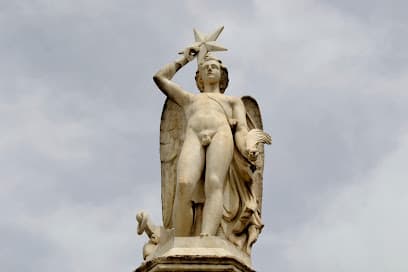
Font del Geni Català
100 m · Ciutat Vella
A marble middle finger to thirst, standing where the city’s power once lived. It’s a 19th-century tribute to the man who brought water to a parched Barcelona.
4.5(64)
SculptureTourist attraction
RESTAURANT
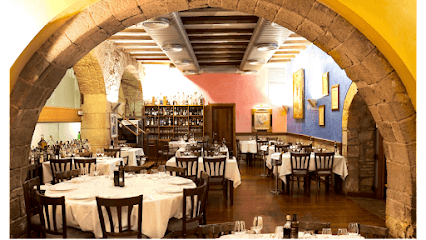
Restaurant El Passadís del Pep
€€€€50 m · Ciutat Vella
Walk down a dark, unmarked hallway into a windowless sanctuary where menus don't exist and the seafood arrives in a relentless, high-octane parade of Catalan excellence.
4.5(1K)
Restaurant

RESTAURANT
Tucco | Born
€€50 m · Ciutat Vella
In a neighborhood drowning in overpriced tourist traps, Tucco is a carb-heavy sanctuary of handmade pasta and Argentinian empanadas that won't rob you blind.
4.6(3K)
Italian restaurantArgentinian restaurant
HOTEL
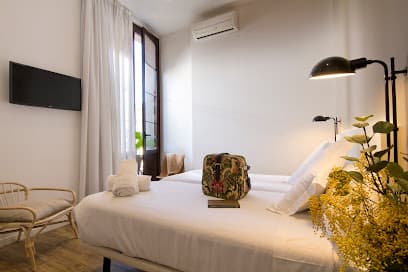
Som Nit Born
€150 m · Ciutat Vella
A minimalist refuge tucked inside a legendary 19th-century portside block, where Picasso once lived and the smell of salt air mixes with the ghosts of old Barcelona.
4.2(175)
Guest house
HOTEL
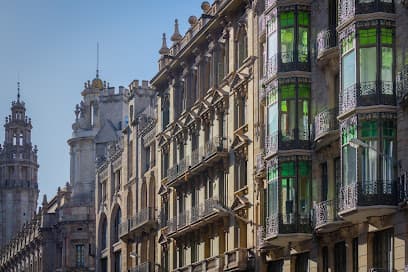
Hotel Colonial Barcelona
€150 m · Ciutat Vella
A stone-faced neoclassical beast on the edge of the Gothic Quarter, where high ceilings and history meet the relentless, beautiful roar of Via Laietana.
4.2(1K)
Hotel
Frequently Asked Questions
Is Lata Graffiti worth visiting?
Absolutely, especially if you're tired of traditional museums. It offers a hands-on, gritty look at Barcelona's street art culture that you won't find in a guidebook.
Do I need to book a workshop in advance?
Yes, the space is very small and workshops are popular. It's best to book through their website or Instagram to secure a spot.
What should I order or do at Lata Graffiti?
Sign up for the 'Can Art' workshop. You'll learn to use stencils and spray paint to create your own piece of art on a recycled soda can.
Is it suitable for children?
Surprisingly, yes. It's a huge hit with teenagers and older children who enjoy the tactile nature of spray painting, though younger kids might find the fumes a bit much.
Reviews
0 reviews for Lata Graffiti
No reviews yet. Be the first to share your experience!