4.3
3 verified reviews
About
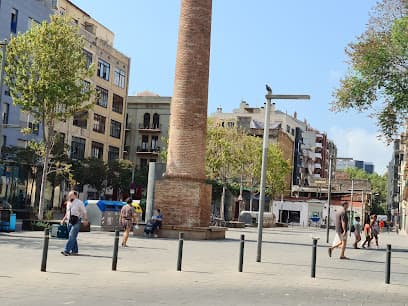
Look up. Past the glass-and-steel tech hubs, the minimalist coffee shops, and the digital nomads clutching their oat milk lattes. There it is. A jagged, soot-stained finger of brick piercing the Mediterranean blue. This is La Xemeneia de Poblenou, specifically the one tethered to the old Can Felipa factory complex. It’s not a cathedral, and it sure as hell isn’t Gaudí. It’s a monument to sweat, noise, and the kind of back-breaking labor that built the modern world while the rest of the city was busy being decorative.
Decades ago, this neighborhood, Sant Martí, was the city's heavy-lifting industrial engine. It was a forest of these things. Thousands of chimneys belching black smoke into the sky, fueling the textile mills that made Barcelona an industrial powerhouse. Most of them are gone now, knocked down to make room for the 22@ innovation district or luxury lofts with exposed piping that costs more than the original factory workers made in a lifetime. But this one at Carrer del Joncar remains, a protected ghost in the machine.
Walking up to it, you feel the weight of the history. The brickwork is intricate—a lost art of industrial masonry that nobody bothers with anymore. It’s wider at the base, tapering as it climbs, designed to catch the wind and survive the heat. This particular chimney belonged to the Catex factory, better known as Can Felipa. In its heyday, this place was a titan of the textile industry. Now, the factory building has been gutted and reborn as a community center and sports complex, but the chimney stands apart, like a veteran who refuses to leave the bar after closing time.
There is a specific kind of melancholy here. You aren't coming for a guided tour or a gift shop selling miniature plastic chimneys. You’re coming to stand in the shadow of a dead era. The air around Joncar 35 doesn't smell like coal smoke anymore; it smells like sea salt from the nearby Bogatell beach and expensive espresso. The contrast is jarring, and that’s exactly why it’s worth your time. It’s a reminder that before Barcelona was a playground for the world, it was a city of gears and grease.
If you’re looking for a reason to be in Poblenou that doesn’t involve a beach towel, this is your starting point. It’s a quiet, unpretentious corner of the city. You’ll see locals walking their dogs, kids kicking footballs against the old walls, and the occasional architect staring up at the brickwork with genuine envy. It’s free, it’s honest, and it doesn't care if you like it or not. It’s survived the industrial revolution, the Spanish Civil War, and the even more destructive force of modern gentrification.
Is it worth visiting? If you give a damn about the soul of a city, yes. If you want to understand how Barcelona actually works—how it transitioned from a gritty port town to a global tech hub—you have to look at the bones. This chimney is a femur. It’s the structural support of the neighborhood’s identity. Stand at the base, look straight up until your neck hurts, and try to imagine the roar of the looms and the heat of the furnaces. It’s a visceral connection to a version of Barcelona that is rapidly being polished out of existence. Don't just take a photo and leave. Sit on a bench, watch the light hit the red clay, and pay your respects to the people who spent their lives in its shadow.
Type
Tourist attraction
Duration
15-30 minutes
Best Time
Late afternoon when the setting sun hits the red brickwork, creating a deep glow against the sky.
Features
Tourist attraction
Categories
Industrial HeritageArchitectureHistoryPublic Art
Ticket Prices
Free Admission
No tickets required
Must-See Highlights
The intricate brick patterns at the top of the stack
The contrast with the modern glass buildings of the 22@ district
The adjacent Can Felipa building, a masterpiece of industrial renovation
Visitor Tips
Combine this with a walk down Rambla del Poblenou for lunch at a local spot like El 58.
Look for the small plaques in the area that explain the history of the textile mills.
It's a great spot for photography, especially if you like urban decay and industrial textures.
Good For
History buffsArchitecture loversPhotography enthusiastsBudget travelers
Why Visit
Authentic industrial relic from Barcelona’s age of steam and soot
Striking architectural contrast between 19th-century brickwork and modern tech hubs
Located in the heart of the unpolished, less-touristy Poblenou neighborhood
Nearby Landmarks
- 1-minute walk from Can Felipa Community Center
- 5-minute walk from Rambla del Poblenou
- 12-minute walk from Bogatell Beach
- 10-minute walk from Poblenou Metro Station (L4)
Accessibility
- Outdoor public space
- Flat paved ground
- Wheelchair accessible area
Location
Carrer del Joncar, 35
Sant Martí, Barcelona
Nearby Hotels
Nearby Restaurants
In Sant Martí
ATTRACTION
LOS CERDINS HOUSE
Sant Martí
A raw, repurposed industrial relic in the heart of Sant Martí, Los Cerdins House is a testament to the neighborhood's manufacturing soul, where red-brick history meets the sharp, creative edge of modern Barcelona.
0.0(0)
Tourist attraction
ATTRACTION
Pista de frontó
Sant Martí
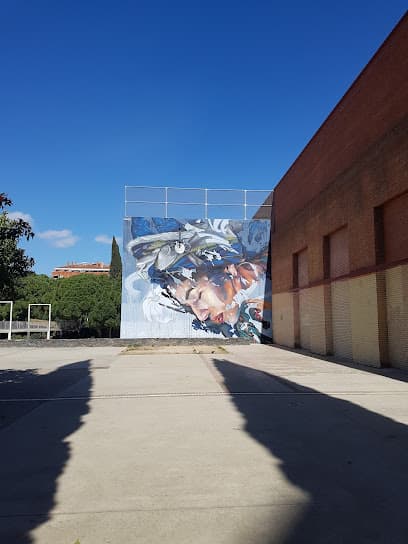
A sun-baked slab of concrete where the rhythmic thwack of a ball against stone serves as the soundtrack to a neighborhood still clinging to its gritty, industrial Poblenou soul.
0.0(0)
Park
ATTRACTION
Saraya Express
Sant Martí
A specialized travel outpost tucked away in Sant Martí. Saraya Express is where the logistics of a trip to Cairo meet the grit of Barcelona’s daily grind, far from the tourist-trap fluff.
0.0(0)
Tourist attraction
Frequently Asked Questions
Is La Xemeneia de Poblenou worth visiting?
Yes, if you appreciate industrial history and want to see the 'real' Barcelona away from the tourist crowds. It's a powerful symbol of the city's working-class roots and offers a great contrast to the modern 22@ district.
How much does it cost to see the chimney?
It is completely free. The chimney is a public monument located in an open area near the Can Felipa community center, accessible to anyone at any time.
What else is near the Poblenou chimney?
It's located right next to the Can Felipa Community Center and is a short walk from the Rambla del Poblenou, which is packed with authentic local tapas bars and restaurants.
Reviews
0 reviews for La Xemeneia de Poble nou
No reviews yet. Be the first to share your experience!