
4.5
650 verified reviews
About
In the shadow of the concrete colossus that is Camp Nou sits a quiet, ivy-covered stone farmhouse built in 1702. To the uninitiated, it looks like a misplaced relic of Catalonia’s agrarian past, a stubborn survivor of urban sprawl. But for anyone who worships at the altar of the beautiful game, this is the Vatican. This is La Masia. It is the most productive dream factory in the history of sports, a place where the DNA of FC Barcelona was encoded into the bones of skinny kids who would go on to conquer the world.
Walking up to the original La Masia in Les Corts, you feel the weight of the ghosts. This isn't a high-tech laboratory with flashing lights and chrome; it’s a 300-year-old residence that, from 1979 to 2011, housed the boys who would become legends. Think Messi, Xavi, Iniesta, Guardiola, and Busquets. They slept in these rooms, ate at these tables, and learned the 'Total Football' philosophy that would eventually humiliate the world’s most expensive rosters. There is a profound, almost religious humility to the place. It serves as a reminder that greatness doesn't require a five-star hotel; it requires a ball, a patch of grass, and a singular, unwavering vision.
You can’t actually go inside the farmhouse and poke around the old dormitories—it currently serves as the club’s institutional headquarters—but that’s almost beside the point. You come here to stand in its presence. You come to see the physical manifestation of 'Més que un club' (More than a club). While the modern academy has moved to a sprawling, state-of-the-art facility in Sant Joan Despí, the original farmhouse remains the spiritual North Star. It’s the anchor that keeps a billion-euro global brand grounded in its local, Catalan roots.
If you’re looking for a high-octane theme park experience, you’re in the wrong place. The area around La Masia is currently a bit of a mess due to the massive 'Espai Barça' renovations, but the farmhouse stands defiant amidst the cranes and dust. It’s a pilgrimage site for the purists. You stand by the fence, look at the weathered stone, and imagine a teenage Leo Messi looking out those windows, wondering if he’d ever be tall enough to play for the first team. It’s a visceral connection to the human side of a sport that often feels like it’s lost its mind to oil money and marketing spreadsheets.
Is La Masia worth visiting? If you think football is just twenty-two millionaires chasing a ball, then no—it’s just an old house. But if you understand that football is a culture, a language, and a source of identity, then skipping this is like going to Rome and ignoring the Forum. It is the best football attraction in Barcelona for those who care about the 'how' and the 'why' of the game. It’s the quiet heart of a loud city, a testament to the idea that if you teach a kid to play the right way, they might just change the world. Pair a visit here with the Barça Immersive Tour to get the full, dizzying scope of the club’s ambition, but save your real reverence for the stone house that started it all.
Type
Tourist attraction
Duration
30-45 minutes
Best Time
Weekday mornings to avoid the largest tour groups heading to the museum.
Guided Tours
Available
Audio Guide
Available
What People Say
game(22)footballers(14)academy(11)team(9)camp nou(6)training ground(5)hello(4)name(3)
Features
Tourist attraction
Categories
SportsHistoryArchitectureFootball
Ticket Prices
adult€28
child€21
senior€21
Opening Hours
- Monday9:30 AM to 7:30 PM
- Tuesday9:30 AM to 7:30 PM
- Wednesday9:30 AM to 7:30 PM
- Thursday9:30 AM to 7:30 PM
- Friday9:30 AM to 7:30 PM
- Saturday9:30 AM to 7:30 PM
- SundayClosed
Must-See Highlights
The original 1702 stone facade
The commemorative plaques of famous graduates
The view of the farmhouse framed against the modern stadium
The nearby statue of Ladislao Kubala
Visitor Tips
Check the current construction status of Espai Barça before visiting, as access paths change frequently.
Don't expect a museum inside the house; the 'museum' is a separate building nearby.
Visit the nearby Jardins de la Maternitat for a quiet place to sit after the crowds of the stadium.
Good For
Football fanaticsHistory buffsSports studentsFamilies with aspiring athletes
Why Visit
The spiritual birthplace of 'tiki-taka' and the modern Barcelona playing style
A rare 18th-century farmhouse preserved in the middle of a modern sports complex
The former home of global icons like Lionel Messi, Andres Iniesta, and Pep Guardiola
Nearby Landmarks
- Camp Nou Stadium (2-minute walk)
- Palau Blaugrana (3-minute walk)
- FC Barcelona Museum (4-minute walk)
- Jardins de la Maternitat (5-minute walk)
Accessibility
- Exterior viewing area is wheelchair accessible
- Paved surroundings
- Accessible via public transport
Location
Carrer d'Elisabeth Eidenbenz
Les Corts, Barcelona
Nearby Hotels
Nearby Restaurants
In Les Corts
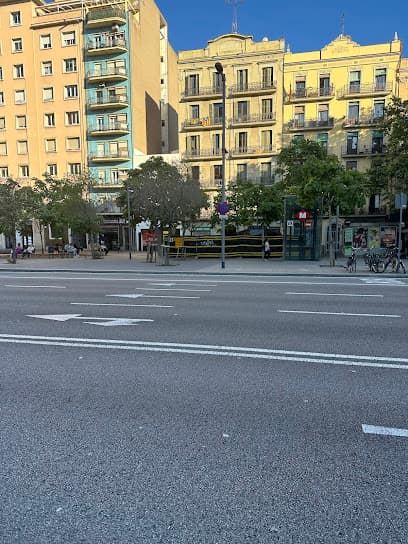
ATTRACTION
Placa commemorativa 'El Congrés de Sants de la CNT de 1918'
Les Corts
A humble plaque marking the spot where the CNT redefined the labor struggle in 1918. No gift shops here, just the ghosts of the 'Rose of Fire' and the grit of Sants.
0.0(0)
Memorial park
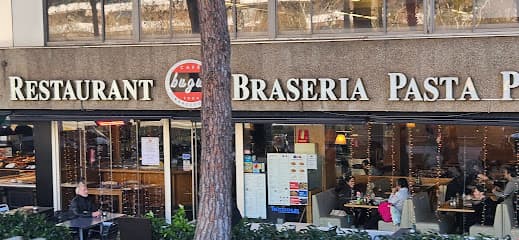
ATTRACTION
City Bus Tour Stop Plaça Pius XII
Les Corts
A sun-baked slab of pavement on the Diagonal where the double-deckers pause to vent exhaust and drop off pilgrims heading for the altar of FC Barcelona.
0.0(0)
Tourist attraction
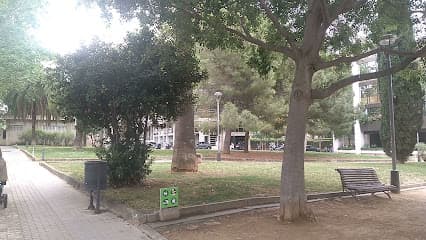
ATTRACTION
Jardins de la Font dels Ocellets
Les Corts
A quiet, unpretentious slice of Les Corts where the only thing louder than the fountain is the sound of locals actually living their lives away from the Gaudí-obsessed crowds.
0.0(0)
Garden
Frequently Asked Questions
Can you go inside the original La Masia building?
No, the interior of the historic farmhouse is not open to the general public as it serves as the club's institutional headquarters. However, you can view the exterior and the grounds as part of a visit to the Camp Nou area.
Is La Masia worth visiting during the Camp Nou renovations?
Yes, for die-hard fans, it remains a pilgrimage site. While the stadium is under construction, the farmhouse still stands as a symbol of the club's identity and is a key stop for those exploring the history of Les Corts.
Where is the new La Masia located?
The modern youth academy, known as the Centre de Formació Oriol Tort, is located at the Ciutat Esportiva Joan Gamper in Sant Joan Despí, about 5km away from the original site.
How do I get to La Masia?
Take the L3 Metro to Les Corts or Palau Reial, or the L5 to Collblanc. It is a 10-minute walk from any of these stations, located right next to the Camp Nou stadium complex.
Reviews
0 reviews for La Masia
No reviews yet. Be the first to share your experience!