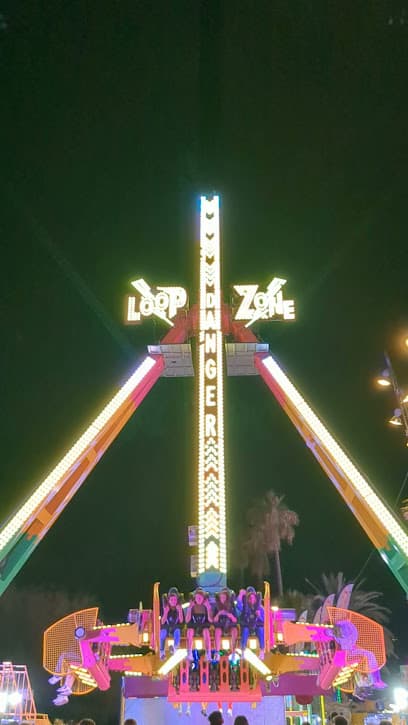
5.0
3 verified reviews
About
Passeig de Joan de Borbó is not a place you go for quiet contemplation. It is a high-decibel, salt-crusted, sun-bleached artery that pumps the lifeblood of the city directly into the Mediterranean. If you’re looking for the 'real' Barcelona, this is it—in all its messy, tourist-choked, glorious contradiction. On one side, you have the Port Vell marina, where yachts the size of small aircraft carriers bob in the water, owned by people who probably don’t know what a metro card looks like. On the other side, a relentless line of seafood restaurants stands like a firing squad, their waiters armed with laminated menus featuring photos of paella that look suspiciously like they were taken in 1994.
Walking down this promenade is a rite of passage. It’s the transition from the claustrophobic, ancient shadows of the Gothic Quarter to the wide-open horizon of the sea. You’ll smell it before you see it: the brine of the harbor, the diesel from the harbor tours, and the intoxicating, dangerous scent of garlic hitting hot olive oil. This is the main thoroughfare of the Barceloneta neighborhood, a place that used to belong to fishermen and dockworkers before the 1992 Olympics decided to invite the rest of the world over for a drink.
The vibe here is pure theater. You’ve got rollerbladers weaving through crowds of bewildered tourists, street performers hoping for a few coins, and locals who have lived here since the days of Franco, sitting on benches and watching the circus with a mixture of boredom and disdain. Overhead, the vintage red cars of the Port Vell Aerial Tramway crawl across the sky like something out of a Wes Anderson film, connecting the harbor to the heights of Montjuïc. It’s one of the best things to do in Barcelona if you want to understand the city’s scale—the way the mountains literally drop into the sea.
Now, a word of advice from someone who’s been burned: don’t just sit down at the first place that offers you a 'tourist menu' and a liter of neon-pink sangria. The frontline of Joan de Borbó is a minefield of mediocrity designed for people who will never come back. If you want the soul of the neighborhood, use this promenade as your compass, but then veer off into the narrow, laundry-draped side streets of Barceloneta. That’s where you’ll find the damp, crowded tapas bars where the vermouth is cheap and the shrimp are so fresh they’re practically still arguing.
Is it worth visiting? Absolutely. You can’t claim to know Barcelona without walking this stretch. It’s the city’s front porch. It’s where the grit of the old port meets the glitz of the new money. It’s loud, it’s crowded, and in the height of August, it’s hot enough to melt your soul. But when the sun starts to dip behind the W Hotel and the light turns that specific shade of Catalan gold, there is nowhere else you’d rather be. It’s the gateway to the beach, the entrance to the old fisherman’s quarter, and a front-row seat to the beautiful, chaotic mess of a city that refuses to be tamed by tourism.
Type
Promenade
Duration
30-60 minutes
Best Time
Sunset for the best lighting and harbor views.
Features
Promenade
Categories
WaterfrontPublic SpacePhotography
Ticket Prices
Free Admission
No tickets required
Must-See Highlights
The view of the W Hotel (The Sail) at the end of the horizon.
The historic Palau de Mar building at the start of the promenade.
The vintage cable cars passing overhead toward Montjuïc.
The luxury yachts docked at OneOcean Port Vell.
Visitor Tips
Keep a close eye on your belongings; like any high-traffic tourist area, pickpockets operate here.
Avoid any restaurant with a 'promoter' outside trying to hand you a menu.
Walk on the marina side for better views and less crowding from restaurant terraces.
Good For
FamiliesCouplesPhotography enthusiastsBudget travelers
Why Visit
Unrivaled views of the Port Vell marina and luxury superyachts.
The primary pedestrian link between the historic center and the Mediterranean Sea.
Access to the Port Vell Aerial Tramway for panoramic city views.
Nearby Landmarks
- Museum of History of Catalonia (Palau de Mar) - 2-minute walk
- Barceloneta Beach - 5-minute walk
- Port Vell Aerial Tramway (San Sebastian Tower) - 8-minute walk
- L'Aquàrium de Barcelona - 10-minute walk
Accessibility
- Fully paved and flat
- Wheelchair accessible
- Bicycle lanes available
Location
Ciutat Vella, Barcelona
Nearby Hotels
Nearby Restaurants
In Ciutat Vella
ATTRACTION
Park
Ciutat Vella
A thousand years of silence tucked behind a Romanesque monastery, where the grit of El Raval dissolves into ancient stone, cool shadows, and the heavy weight of history.
0.0(0)
Park
ATTRACTION
BARSHELONA
Ciutat Vella
Forget the plastic bulls and tacky magnets. This is where Barcelona’s soul is bottled into art, a small sanctuary of local design hidden in the shadows of the Gothic Quarter.
0.0(0)
Tourist attraction
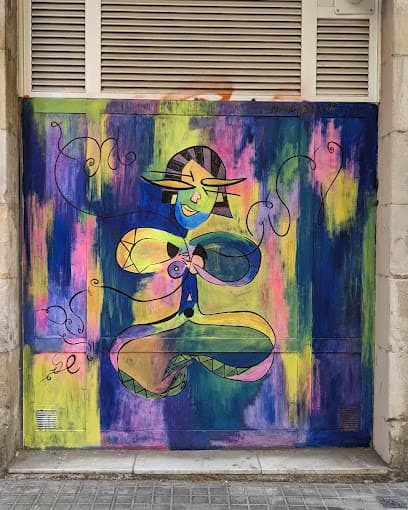
ATTRACTION
Minajoe art
Ciutat Vella
A raw, paint-splattered antidote to the sterile museum circuit. This is where pop-art meets the grit of the street, served straight from the artist’s hands in the heart of old Barcelona.
0.0(0)
Tourist attraction
Frequently Asked Questions
Is Passeig de Joan de Borbó worth visiting?
Yes, it is the essential walking route from the city center to the beach. While the restaurants on the main strip can be touristy, the views of the marina and the atmosphere are quintessential Barcelona.
What is the best time to visit Joan de Borbó?
Late afternoon or sunset is best. The light hitting the harbor is spectacular, and the temperature is more manageable than the midday heat.
How do I get to Joan de Borbó Promenade?
Take the Metro L4 (Yellow Line) to the Barceloneta station. From there, it's a two-minute walk toward the water.
Should I eat at the restaurants on the promenade?
Generally, no. Most are overpriced tourist traps. For authentic food, walk one or two blocks into the narrow streets of the Barceloneta neighborhood behind the promenade.
Reviews
0 reviews for Joan de Borbó Promenade
No reviews yet. Be the first to share your experience!