4.5
7,140 verified reviews
About
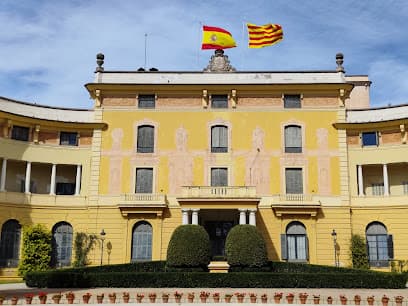
The Diagonal is a six-lane artery of noise, exhaust, and the frantic heartbeat of Barcelona’s business district. But then there’s the gate at number 686. You step inside the Jardins del Palau de Pedralbes and the city just... vanishes. It’s a sensory lobotomy. One minute you’re dodging scooters and delivery drivers, the next you’re standing in the kind of silence that usually requires a title and a very expensive lawyer. This isn't your local dog-walking patch in Gràcia; this is the former playground of the Spanish Royal Family, and it smells like old money and damp earth.
Walking through here feels like trespassing on a history that doesn't belong to you. The gardens were a gift from the Güell family—yes, those Güells—to the crown back in the 1920s. It’s 7.5 hectares of manicured ego. You’ve got the parterres, the statues of people who probably died in very polite duels, and a palace that looks exactly like where a king would hide when the republicans started getting loud. It’s aristocratic, it’s slightly stiff, and it’s absolutely beautiful in a way that makes you want to straighten your posture and stop slouching. It is easily one of the best parks in Barcelona for those who find the crowds at Park Güell to be a personal affront.
If you’re looking for the Gaudí circus, you’ll find a whisper of it here, but it’s the quiet, sophisticated kind. Tucked away is the Font d’Hèrcules. It’s a wrought-iron dragon’s head spitting water into a stone basin, designed by a young Antoni before he went full-blown psychedelic. It was actually "lost" for decades, buried under overgrown ivy until someone finally bothered to look in 1984. That’s the vibe of Pedralbes: things are hidden in plain sight. There’s also the Umbracle, a shade house that looks like the skeleton of a prehistoric beast, providing the kind of deep, cool shadows you need when the Barcelona sun starts feeling like a personal attack.
In the summer, the place transforms. The music festivals—specifically the Les Nits de Barcelona festival—bring in the big names and the even bigger egos. You’ll see the upper-crust of Sarrià and Les Corts sipping overpriced cava under the stars while some legacy act plays the hits. It’s the one time the park feels truly alive, or at least, truly populated. The rest of the year, it’s a sanctuary for people who want to escape the tourist hordes of the Gothic Quarter. You won't find many selfie sticks here, mostly just students from the nearby university looking for a place to smoke or old couples who remember when the King actually showed up.
Let’s be real: it’s not "exciting" in the modern sense. There are no rides, no interactive exhibits, and the palace itself—once home to the ceramics and decorative arts museums before they were moved to the Glòries district—is now mostly used for official government functions. But that’s the draw. It’s a place for a long, slow stroll where the only thing demanding your attention is the sound of your own footsteps on the gravel. It’s one of the best things to do in Barcelona if you’re suffering from "Gaudí fatigue" and just need a damn break from the noise.
Is it worth the trek out to Les Corts? If you want to see how the 1% spent their weekends before the world went to hell, then yes. It’s free, it’s quiet, and it’s got enough shade to hide a small army. Just don’t expect a party. This is a place for contemplation, for looking at the cedars and the orange trees, and for realizing that even in a city as chaotic as Barcelona, you can still find a corner where the 20th century never quite ended. It’s a manicured, slightly melancholy masterpiece that doesn't give a damn if you like it or not.
Type
Park, Tourist attraction
Duration
1-2 hours
Best Time
Late afternoon for the best light and fewer crowds.
What People Say
concert(305)strolling(239)organization(84)stage production(49)font(43)vegetation(41)gaudi(25)camp nou(14)
Features
Park
Tourist attraction
Categories
ArchitectureGaudíGardens
Ticket Prices
Free Admission
No tickets required
Opening Hours
- Monday10 AM to 7 PM
- Tuesday10 AM to 7 PM
- Wednesday10 AM to 7 PM
- Thursday10 AM to 7 PM
- Friday10 AM to 7 PM
- Saturday10 AM to 7 PM
- Sunday10 AM to 7 PM
Must-See Highlights
Font d'Hèrcules (Gaudí's dragon fountain)
The Umbracle (shade house)
The Bamboo Forest
The Palace Facade
Statue of Queen Maria Cristina
Visitor Tips
Enter from the Diagonal gate for the most dramatic approach.
Check the local schedule for summer concerts as the park may close early for soundchecks.
Bring a book; it's one of the few places in the city where you can actually hear yourself think.
Good For
CouplesSolo travelersArchitecture buffsFamilies
Why Visit
The 'Lost' Gaudí Fountain: The Font d'Hèrcules, a subtle early work by the master that was hidden for decades.
Royal Pedigree: The former official residence of the Spanish Royal Family in Barcelona, offering a level of manicured grandeur rare in the city.
The Umbracle: A stunning 19th-century shade house that provides a unique, prehistoric-looking architectural backdrop.
Nearby Landmarks
- 10-minute walk from Camp Nou
- 15-minute walk from Monestir de Pedralbes
- 2-minute walk from Palau Reial Metro station
- 5-minute walk from the Diagonal shopping district
Accessibility
- Wheelchair accessible paths
- Flat terrain
- Accessible entrance from Diagonal
Location
Av. Diagonal, 686
Les Corts, Barcelona
Nearby Hotels
Nearby Restaurants
In Les Corts
ATTRACTION
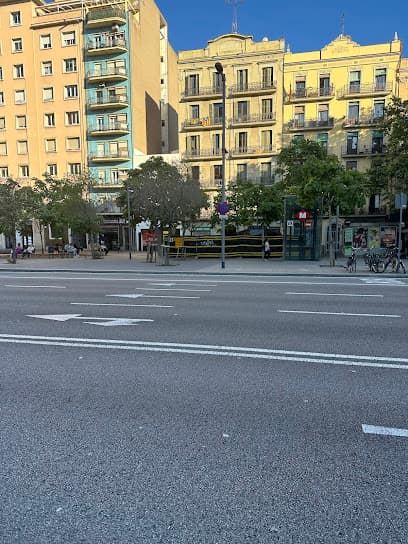
Placa commemorativa 'El Congrés de Sants de la CNT de 1918'
Les Corts
A humble plaque marking the spot where the CNT redefined the labor struggle in 1918. No gift shops here, just the ghosts of the 'Rose of Fire' and the grit of Sants.
0.0(0)
Memorial park
ATTRACTION
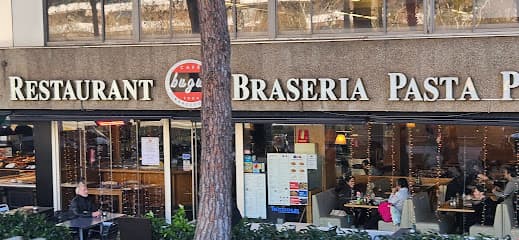
City Bus Tour Stop Plaça Pius XII
Les Corts
A sun-baked slab of pavement on the Diagonal where the double-deckers pause to vent exhaust and drop off pilgrims heading for the altar of FC Barcelona.
0.0(0)
Tourist attraction
ATTRACTION
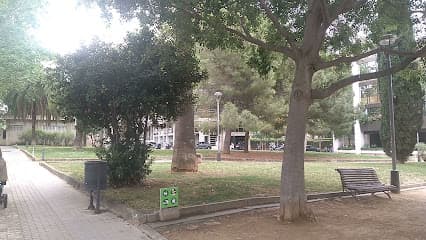
Jardins de la Font dels Ocellets
Les Corts
A quiet, unpretentious slice of Les Corts where the only thing louder than the fountain is the sound of locals actually living their lives away from the Gaudí-obsessed crowds.
0.0(0)
Garden
Frequently Asked Questions
Is Jardins del Palau de Pedralbes worth visiting?
Yes, especially if you want to escape the crowds. It offers a rare look at a quiet Gaudí work (the Hercules Fountain) and beautiful, aristocratic landscaping for free.
How do I get to Jardins del Palau de Pedralbes?
Take the L3 (Green Line) Metro to the 'Palau Reial' station. The garden entrance is right on Avinguda Diagonal.
Is entry to the gardens free?
Yes, entry to the gardens is free for the public. However, the palace interior is now used for official government functions and is generally not open for regular museum visits.
What is the best time to visit?
Late afternoon is ideal when the light hits the fountains and the palace facade, and the heat of the day has started to break.
Reviews
0 reviews for Jardins del Palau de Pedralbes
No reviews yet. Be the first to share your experience!