
4.3
360 verified reviews
About
Barcelona is a city that rarely shuts up. Between the grinding gears of the tour buses and the relentless hum of the scooters, finding a place to actually hear yourself think is a minor miracle. Most people flock to the big-ticket greenery—the sprawling Ciutadella or the hallucinogenic heights of Park Güell—but if you want to escape the curated chaos, you head north to Pedralbes. Here, tucked away on the Avinguda de Pedralbes, you’ll find the Jardins de William Shakespeare. It isn't a 'must-see' in the way the tourism boards define it, and that is exactly why it matters.
Named after the man who gave us everything from star-crossed lovers to bloody Scottish kings, this park is a masterclass in understated elegance. You don’t come here for a 'gastronomic adventure' or a 'breathtaking vista.' You come here because the sun is beating down on the pavement and you need a patch of dirt and some shade that hasn't been colonized by selfie sticks. The park is a favorite for the students from the nearby university campuses, who sit on the benches cramming for exams, and for the locals who treat it like their own private backyard. It’s a place for the quiet business of being a human being.
The centerpiece, if you can call it that, is a bronze bust of Shakespeare himself. It was sculpted by Josep Maria Subirachs, the same man responsible for the stark, controversial Passion Facade at the Sagrada Família. Subirachs didn’t do 'pretty,' and his Shakespeare is no exception—it’s angular, thoughtful, and slightly stern, as if he’s judging your choice of beach read. The bust was a gift from the British Council back in the sixties, a little nod of cultural diplomacy in a neighborhood that feels more like a quiet academic enclave than a Mediterranean metropolis.
The flora here is honest. You’ve got holm oaks, cypresses, and lush shrubs that create a dense canopy, dropping the temperature by a good five degrees the moment you step off the street. There’s a small water feature that provides a steady, rhythmic trickle—the kind of white noise that drowns out the distant roar of the Diagonal. It’s one of the best parks in Barcelona for anyone who actually values the 'park' part of the equation over the 'theme park' part. You won't find vendors selling overpriced water or plastic lizards here. You might find a stray dog chasing a pigeon, or an old man reading a newspaper with the kind of intensity usually reserved for holy texts.
Is it worth the trek up to Les Corts? If you’re already in the neighborhood to see Gaudi’s dragon gate at the Pavellons Güell—which is literally a two-minute walk away—then yes, absolutely. It’s the perfect palate cleanser after staring at the intricate ironwork and tiled chimneys of the Modernisme masters. It’s a reminder that Barcelona isn't just a museum of the 19th century; it’s a living city with pockets of silence that haven't been sold off to the highest bidder yet.
Don’t expect a life-changing epiphany. Expect a bench, a bit of shade, and the company of a dead playwright who knew a thing or two about the human comedy. Sometimes, in a city as loud as this one, that’s more than enough. It’s a place to sit, breathe, and realize that the world will keep spinning whether you take a photo of it or not.
Type
Park, Tourist attraction
What People Say
water(7)reading(6)strolling(3)gaudi(2)dogs(2)
Features
Park
Tourist attraction
Categories
LiteratureSculptureNatureQuiet Spot
Opening Hours
- MondayOpen 24 hours
- TuesdayOpen 24 hours
- WednesdayOpen 24 hours
- ThursdayOpen 24 hours
- FridayOpen 24 hours
- SaturdayOpen 24 hours
- SundayOpen 24 hours
Accessibility
- Wheelchair accessible entrances
- Flat paved paths
Location
Av. de Pedralbes, 25
Les Corts, Barcelona
Nearby
ATTRACTION
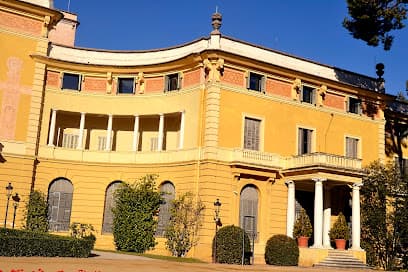
Pedralbes Royal Palace
250 m · Les Corts
A sprawling royal retreat where the roar of Diagonal dies among cedars and orange trees. It’s the quiet, aristocratic soul of Barcelona, complete with a hidden Gaudí fountain.
4.4(2K)
MuseumPark
ATTRACTION
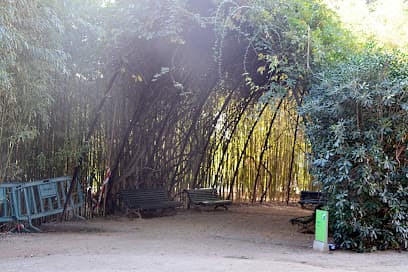
Pèrgola
250 m · Les Corts
A skeletal, vine-draped Gaudí masterpiece hiding in plain sight. No crowds, no gift shops, just parabolic arches and the ghost of a genius in a quiet corner of Les Corts.
4.3(12)
Tourist attraction
RESTAURANT
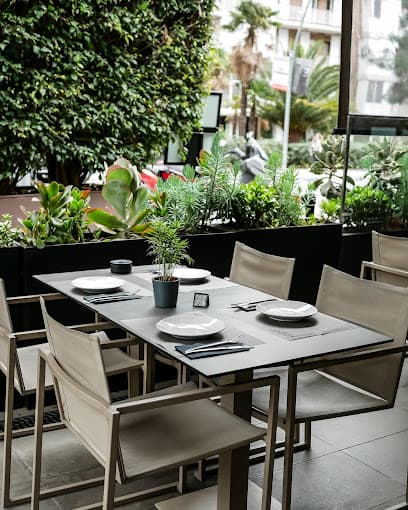
Upper Lounge Bar - Restaurante Sarrià
250 m · Sarrià-Sant Gervasi
A sleek, breezy escape in Sarrià where the Upper Diagonal crowd trades the chaos of the city center for chilled gin tonics, surprisingly sharp sushi, and a terrace that feels like a secret.
4.2(918)
Bar & grillBrunch restaurant

RESTAURANT
Santa Clara Restaurant
300 m · Les Corts
A lush hideout in Les Corts where the city's noise fades into a garden terrace, serving up serious lobster rice and honest Mediterranean soul without the downtown chaos.
4.2(1K)
RestaurantMediterranean restaurant

HOTEL
AC Hotel Victoria Suites
€€250 m · Les Corts
A minimalist sanctuary in Les Corts where space isn't a luxury, it's the standard. Forget the Gothic Quarter's cramped alleys; here, you get room to breathe and a terrace for your gin.
4.4(614)
HotelMeeting planning service
HOTEL
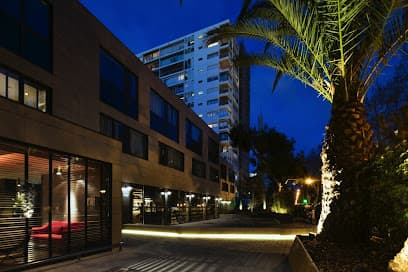
Hotel Upper Diagonal
€€250 m · Sarrià-Sant Gervasi
A sleek, modernist sanctuary in the quiet, moneyed hills of Sarrià, far from the sweating crowds of the Rambla and the neon-lit traps of the city center.
4.4(597)
Hotel
Frequently Asked Questions
Is Jardins de William Shakespeare worth visiting?
It is worth it if you are already in the Pedralbes area visiting the Güell Pavilions or the Monastery. It is not a major destination on its own, but it offers a rare, quiet escape from the city's crowds.
How do I get to Jardins de William Shakespeare?
Take the L3 Metro (Green Line) to the Palau Reial station. From there, it is about a 10-minute walk uphill along Avinguda de Pedralbes.
What is the best time to visit the gardens?
Weekday mornings or early afternoons are best for maximum silence. It is particularly pleasant in the summer when the dense tree canopy provides much-needed shade from the Barcelona heat.
Are there any entrance fees for the park?
No, the Jardins de William Shakespeare is a public park and admission is completely free for all visitors.
Reviews
0 reviews for Jardins de William Shakespeare
No reviews yet. Be the first to share your experience!