3.9
100 verified reviews
About
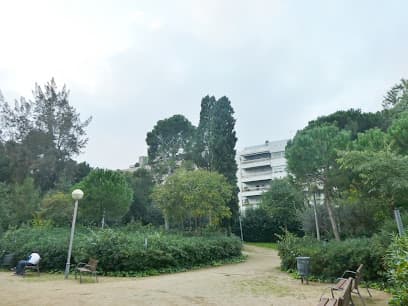
If you’re looking for the neon-lit, selfie-stick-clogged circus of downtown Barcelona, keep walking. This isn’t it. The Jardins de Rubió i Tudurí, tucked away in the high-rent, low-noise district of Pedralbes, is a place for people who actually like the sound of their own thoughts. It’s a 0.7-hectare masterclass in what happens when a genius decides to let nature have the last word, or at least the second-to-last one.\n\nNamed after Nicolau Maria Rubió i Tudurí—the man who basically invented the modern green lungs of this city—this park is a rejection of the rigid, manicured nonsense you find in French formal gardens. Rubió i Tudurí was a disciple of Forestier, but he had a Mediterranean soul. He believed in 'perfect disorder.' He wanted gardens that felt like they’d been there since the dawn of time, even if every stone was placed with surgical precision. Walking in from Carrer de Sor Eulàlia d’Anzizu, you’re immediately hit by a wall of green. It’s frondous, thick, and smells of damp earth and rosemary—a sensory middle finger to the exhaust fumes of the nearby Diagonal.\n\nThe layout is a series of gravel paths that don’t seem to want to go anywhere in particular. They wind around parterres at different levels, creating little pockets of shadow where you’ll find university students from the nearby UPC campus hiding from their thesis advisors or old men from the neighborhood staring into the middle distance. There’s a pond that doesn’t try too hard to be a fountain, and a sculpture called 'L'Empordà' by Ernest Maragall that sits there with a quiet, heavy dignity. It’s the kind of place where the silence is heavy enough to feel, broken only by the occasional squawk of a green parakeet or the crunch of sauló (granite sand) under your boots.\n\nThis is one of the best parks in Barcelona for anyone who finds the Gaudí crowds exhausting. It represents the Noucentisme movement—a period when Barcelona was trying to be rational, Mediterranean, and sophisticated all at once. Rubió i Tudurí wasn't just a gardener; he was an urbanist who traveled to Africa and brought back a sense of wildness that he tamed just enough to fit into a city block. He understood that a park shouldn't be a museum; it should be a place to disappear.\n\nIs it 'exciting'? No. There are no gift shops, no overpriced mojito stands, and the 'attractions' are limited to trees and benches. But that’s exactly the point. It’s a reminder that the best things in Barcelona are often the ones the tourism board forgets to mention. It’s a place to sit, breathe, and realize that sometimes, the most radical thing you can do in a city is absolutely nothing at all. If you’re visiting the Monestir de Pedralbes or the Palau Reial, do yourself a favor: skip the second gift shop and come here instead. Sit on a bench, watch the light filter through the pines, and give the man Rubió i Tudurí the respect he deserves for giving this city a place to exhale.
Type
Park, Tourist attraction
Duration
45-60 minutes
Best Time
Late afternoon when the sun filters through the Mediterranean pines and the university crowds have thinned out.
Features
Park
Tourist attraction
Categories
LandscapingArchitectureNatureQuiet Spot
Ticket Prices
Free Admission
No tickets required
Opening Hours
- MondayOpen 24 hours
- TuesdayOpen 24 hours
- WednesdayOpen 24 hours
- ThursdayOpen 24 hours
- FridayOpen 24 hours
- SaturdayOpen 24 hours
- SundayOpen 24 hours
Must-See Highlights
The sculpture 'L'Empordà' by Ernest Maragall
The multi-level Mediterranean parterres
The central pond and its surrounding lush vegetation
Visitor Tips
Bring a book; this is one of the few places in the city where you can actually hear yourself read.
Combine it with a visit to the nearby Monestir de Pedralbes for a full morning of quiet contemplation.
Avoid midday in peak summer as the gravel paths can get quite hot, despite the shade.
Good For
Solo travelersArchitecture enthusiastsCouplesStudents
Why Visit
Designed by Nicolau Maria Rubió i Tudurí, the father of Barcelona's modern park system
A 'perfectly disordered' Mediterranean landscape that feels wild yet intentional
Located in the quiet, upscale Pedralbes district away from the main tourist trail
Nearby Landmarks
- 10-minute walk from Monestir de Pedralbes
- 8-minute walk from Palau Reial de Pedralbes
- 5-minute walk from UPC - Campus Nord
Accessibility
- Wheelchair accessible paths
- Flat entrance from Carrer de Sor Eulàlia d'Anzizu
Location
Carrer de Sor Eulàlia d'Anzizu, 67
Les Corts, Barcelona
Nearby Hotels
Nearby Restaurants
In Les Corts
ATTRACTION
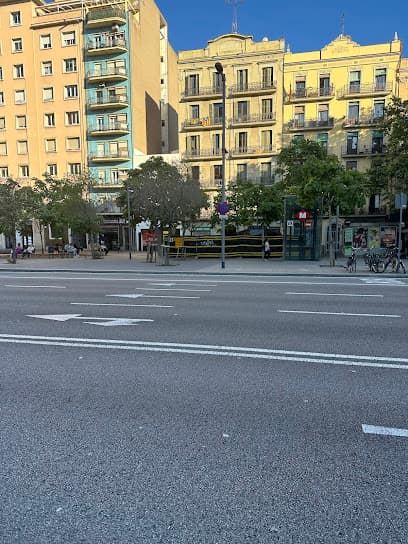
Placa commemorativa 'El Congrés de Sants de la CNT de 1918'
Les Corts
A humble plaque marking the spot where the CNT redefined the labor struggle in 1918. No gift shops here, just the ghosts of the 'Rose of Fire' and the grit of Sants.
0.0(0)
Memorial park
ATTRACTION
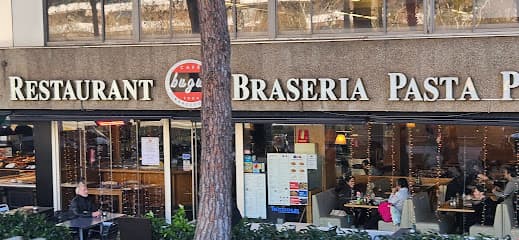
City Bus Tour Stop Plaça Pius XII
Les Corts
A sun-baked slab of pavement on the Diagonal where the double-deckers pause to vent exhaust and drop off pilgrims heading for the altar of FC Barcelona.
0.0(0)
Tourist attraction
ATTRACTION
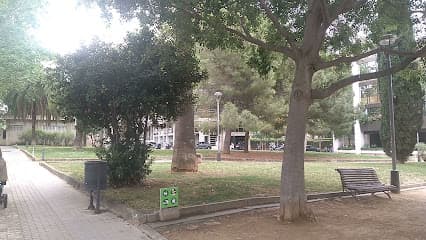
Jardins de la Font dels Ocellets
Les Corts
A quiet, unpretentious slice of Les Corts where the only thing louder than the fountain is the sound of locals actually living their lives away from the Gaudí-obsessed crowds.
0.0(0)
Garden
Frequently Asked Questions
Is Jardins de Rubió i Tudurí worth visiting?
Yes, if you value peace and landscape architecture over tourist attractions. It is a quiet, beautifully designed Mediterranean garden perfect for a break from the city's noise.
How much does it cost to enter?
The park is a public space managed by the Barcelona City Council and admission is completely free.
What are the opening hours?
The gardens open daily at 08:00. They close at 19:00 in winter (Nov-Mar) and 21:00 in summer (Apr-Oct).
What is nearby?
It is located in the Pedralbes neighborhood, within a 10-minute walk of the Monestir de Pedralbes and the Palau Reial de Pedralbes.
Reviews
0 reviews for Jardins de Rubió i Tudurí
No reviews yet. Be the first to share your experience!