4.3
903 verified reviews
About
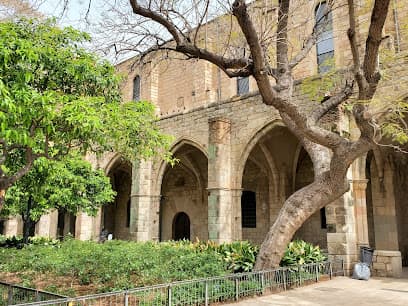
The Raval is a punch to the throat. It’s narrow streets, the smell of frying oil, and the constant, vibrating hum of a neighborhood that refuses to sleep or apologize for its existence. But then you find the stone archway on Carrer de l'Hospital. You step through, and the volume drops forty decibels. This is the Jardins de Rubió i Lluch, and it’s the kind of place that reminds you why Barcelona is worth the headache.
This isn't some manicured, plastic park designed for tourists to take selfies with overpriced ice cream. It’s the central courtyard of the former Hospital de la Santa Creu, a 15th-century Gothic masterpiece that served as the city’s main infirmary for half a millennium. It’s heavy with history, and not all of it is pretty. This is where Antoni Gaudí, the man who basically built the city’s soul, drew his last breath in 1926. He was hit by a tram, mistaken for a beggar because of his disheveled clothes, and brought here to die among the poor. There’s a weight to the stones here that you don’t find at the beach clubs or the fancy rooftop bars of Eixample.
The air in the gardens is a complicated cocktail. It smells of orange blossoms and ancient stone, and if the wind shifts the wrong way, the unmistakable, sharp tang of a city that hasn't quite figured out its plumbing. That’s the Raval for you—beauty and the beast, side by side, refusing to be separated. You’ve got the Biblioteca de Catalunya on one side, housing the collective memory of the Catalan people in its vaulted halls, and on the other, students from the Escola Massana art school smoking hand-rolled cigarettes and sketching under the stone porticos. It’s a working piece of the city, not a museum.
It’s a place for the quiet ones. You’ll see old men reading newspapers with the intensity of a bomb squad, and travelers who’ve finally realized that La Rambla is a choreographed scam. Sit on one of the stone benches near the fountain. Watch the light filter through the leaves of the orange trees. It’s a sanctuary, but it’s an honest one. It doesn't pretend the world outside doesn't exist; it just gives you a moment to breathe before you have to dive back into the fray.
If you’re looking for a check-the-box attraction with a gift shop and a guided tour, keep walking. But if you want to sit in the shadow of Gothic arches and feel the pulse of a city that has survived plagues, wars, and the crushing weight of its own fame, this is where you go. It’s free, it’s crumbling in the best way possible, and it’s one of the few places left in the center where you can actually hear yourself think. It’s the Raval’s secret backyard, and it’s as real as it gets. If you need to escape the heat or just want to sit where the tourist tide hasn't quite reached, these gardens show you a Barcelona that existed long before the gift shops took over.
The beauty here is in the details—the worn steps of the library, the moss on the fountain, the way the sun hits the yellow stone in the late afternoon. It’s a reminder that even in the middle of the chaos, there are places where the noise just stops. Just don't expect it to be pristine. It’s a working neighborhood, and the gardens reflect that. It’s gritty, it’s historic, and it’s the place to go if you want to understand what this neighborhood actually is.
Type
Garden, Tourist attraction
Duration
45-60 minutes
Best Time
Late afternoon when the sun hits the Gothic arches and the student crowd thins out.
What People Say
historic(17)reading(11)library(10)smell(10)urine(9)square(8)homeless(6)chess(6)
Features
Garden
Tourist attraction
Categories
ArchitectureHistoryPublic ParkGothic
Ticket Prices
Free Admission
No tickets required
Opening Hours
- Monday8 AM to 8 PM
- Tuesday8 AM to 8 PM
- Wednesday8 AM to 8 PM
- Thursday8 AM to 8 PM
- Friday8 AM to 8 PM
- Saturday8 AM to 8 PM
- Sunday8 AM to 8 PM
Must-See Highlights
The Gothic arches of the former hospital cloisters
The entrance to the Biblioteca de Catalunya
The central fountain surrounded by orange trees
The tile work and statues dedicated to Catalan scholars
Visitor Tips
Enter from Carrer de l'Hospital for the most dramatic reveal.
The library inside is stunning; check if the main reading room is open to visitors.
Be aware that the Raval is a gritty neighborhood; keep an eye on your belongings.
It's a great spot to bring a book and a coffee to escape the midday heat.
Good For
History buffsBudget travelersArchitecture loversSolo travelers looking for quiet
Why Visit
Former 15th-century Gothic hospital courtyard
Site of the National Library of Catalonia
The place where Antoni Gaudí spent his final days
Nearby Landmarks
- La Boqueria Market (4-minute walk)
- Gran Teatre del Liceu (6-minute walk)
- MACBA Museum (7-minute walk)
- Palau Güell (8-minute walk)
Accessibility
- Wheelchair accessible entrances
- Flat stone paving in most areas
Location
Hospital, 56
Ciutat Vella, Barcelona
Nearby Hotels
Nearby Restaurants
In Ciutat Vella
ATTRACTION
Park
Ciutat Vella
A thousand years of silence tucked behind a Romanesque monastery, where the grit of El Raval dissolves into ancient stone, cool shadows, and the heavy weight of history.
0.0(0)
Park
ATTRACTION
BARSHELONA
Ciutat Vella
Forget the plastic bulls and tacky magnets. This is where Barcelona’s soul is bottled into art, a small sanctuary of local design hidden in the shadows of the Gothic Quarter.
0.0(0)
Tourist attraction
ATTRACTION
Minajoe art
Ciutat Vella
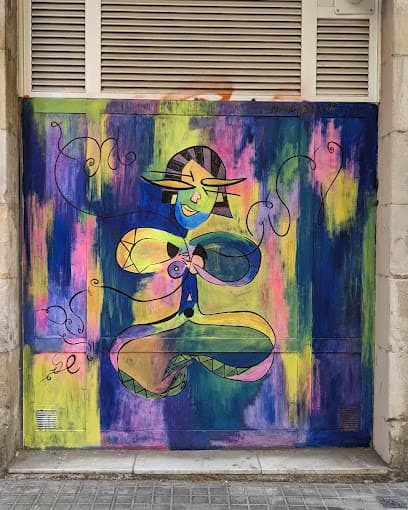
A raw, paint-splattered antidote to the sterile museum circuit. This is where pop-art meets the grit of the street, served straight from the artist’s hands in the heart of old Barcelona.
0.0(0)
Tourist attraction
Frequently Asked Questions
Is Jardins de Rubió i Lluch worth visiting?
Yes, if you want to escape the crowds of La Rambla and see authentic 15th-century Gothic architecture. It's a peaceful, historic retreat that costs nothing to enter.
What is the history of the Jardins de Rubió i Lluch?
The gardens occupy the courtyard of the former Hospital de la Santa Creu, Barcelona's main hospital from 1401 to 1926. It is famously where architect Antoni Gaudí died.
How do I get to Jardins de Rubió i Lluch?
The gardens are located in El Raval, a 5-minute walk from the Liceu metro station (L3). Enter through the stone gates on Carrer de l'Hospital or Carrer del Carme.
Is there an entrance fee for the gardens?
No, entrance to the Jardins de Rubió i Lluch is free and open to the public during daylight hours.
Reviews
0 reviews for Jardins de Rubió i Lluch
No reviews yet. Be the first to share your experience!