4.4
2,954 verified reviews
About
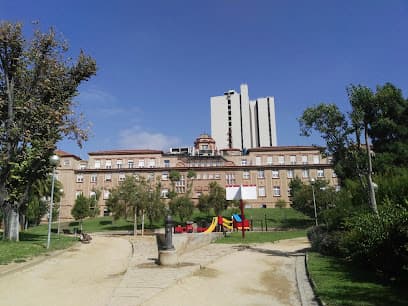
Most people come to the neighborhood of Les Corts for one thing: the cathedral of football, Camp Nou. They swarm the stadium, buy the overpriced jerseys, and leave without ever seeing the soul of the barrio. They’re missing out. Just a few blocks away, shielded by a perimeter wall on Travessera de les Corts, sits the Jardins de la Maternitat. It’s a seven-hectare middle finger to the frantic, sweat-soaked pace of the city center.
This isn't your typical manicured European garden with 'keep off the grass' signs and bronze statues of forgotten generals. It’s a sprawling, red-brick complex that feels like a cross between a quiet university campus and a high-end sanitarium from a century ago. Built in the late 1800s as the Casa de la Maternitat i de Expòsits—a hospital for pregnant women and a home for abandoned children—the architecture is pure Catalan Modernism, but stripped of the Gaudí-esque whimsy that usually draws the selfie-stick crowds. This is functional, social beauty. Architects like Camil Oliveras i Gensana used brick and polychrome ceramics to create a space that felt human and dignified, even when the business conducted inside was often heavy with the weight of poverty and survival.
When you walk through the gates, the first thing that hits you is the silence. It’s thick. You’ve got these massive, stately pavilions—the Pavelló Rosa, the Pavelló Blau—rising out of the greenery like relics of a more deliberate age. The lawns are wide, lush, and actually used by people who live here. You’ll see students from the nearby university sprawled out with laptops, old men in flat caps debating the merits of the current Barça lineup, and locals walking dogs that clearly know these paths better than their own living rooms. It’s one of the best parks in Barcelona precisely because it isn't trying to be an 'attraction.' It’s a working piece of the city’s fabric.
The trees here are the real stars of the show. We’re talking massive magnolias with leaves like polished leather, towering pines, and palms that have watched the city transform from a textile hub into a tourist playground. There’s a specific smell to the place—damp earth, pine needles, and that faint, metallic tang of old brick. It’s the smell of a Barcelona that doesn't care if you like it or not. It just exists, offering shade and a place to think.
Is it worth visiting? If you’re looking for a gift shop, a guided tour, or a 'must-see' checklist item, then no. Stay on the tour bus. But if you want to see how the city actually breathes, if you want to sit on a bench and feel the weight of history without a line of people behind you, then yes. Some of the buildings still house health services and government offices, so you’ll see people going about their actual lives—not the curated, Instagram-ready version of life, but the real thing.
The flaws are there if you look for them. The signage is minimal, and some corners feel a bit neglected, but that’s part of the charm. There’s no pretension here. You just exist alongside the ghosts of the thousands of children who were born within these walls. It’s a place for reflection, for a slow walk with a coffee, or for hiding out when the Mediterranean sun gets too aggressive. It’s honest, it’s quiet, and it’s a reminder that Barcelona is a living, breathing city first, and a postcard second. If you're looking for things to do in Les Corts that don't involve a stadium tour, this is your spot.
Type
Park, Tourist attraction
Duration
1-2 hours
Best Time
Late afternoon for the best light on the brickwork or weekday mornings for total silence.
What People Say
dog(52)lawn(43)strolling(43)reading(40)building(38)camp nou(26)space(19)bank(17)
Features
Park
Tourist attraction
Categories
ArchitectureModernismGardensHistory
Ticket Prices
Free Admission
No tickets required
Opening Hours
- Monday7 AM to 10 PM
- Tuesday7 AM to 10 PM
- Wednesday7 AM to 10 PM
- Thursday7 AM to 10 PM
- Friday7 AM to 10 PM
- Saturday7 AM to 9 PM
- Sunday10 AM to 9 PM
Must-See Highlights
Pavelló Rosa (Pink Pavilion) with its intricate ceramic details
The 'Maternitat' statue by Vicenç Navarro
The massive magnolia trees near the central lawns
The hidden 'secret' feel of the entrance gates
Visitor Tips
Bring a book and a coffee; this is a place for sitting, not just walking.
Don't expect a cafe inside the park; grab a drink at one of the local bars on Travessera de les Corts before heading in.
Respect the fact that some buildings are still active government and health offices.
Good For
FamiliesArchitecture enthusiastsSolo travelersDog ownersBudget travelers
Why Visit
Striking 19th-century Modernist and Noucentista red-brick pavilions
A rare, peaceful local sanctuary located just minutes from the chaos of Camp Nou
Expansive, dog-friendly lawns that are perfect for a picnic or reading
Nearby Landmarks
- Camp Nou (FC Barcelona Stadium) - 8-minute walk
- L'Illa Diagonal Shopping Centre - 12-minute walk
- Palau Reial de Pedralbes - 15-minute walk
Accessibility
- Flat paved paths suitable for wheelchairs
- Accessible entrance from Travessera de les Corts
Location
Travessera de les Corts, 159
Les Corts, Barcelona
Nearby Hotels
Nearby Restaurants
In Les Corts
ATTRACTION
Placa commemorativa 'El Congrés de Sants de la CNT de 1918'
Les Corts
A humble plaque marking the spot where the CNT redefined the labor struggle in 1918. No gift shops here, just the ghosts of the 'Rose of Fire' and the grit of Sants.
0.0(0)
Memorial park

ATTRACTION
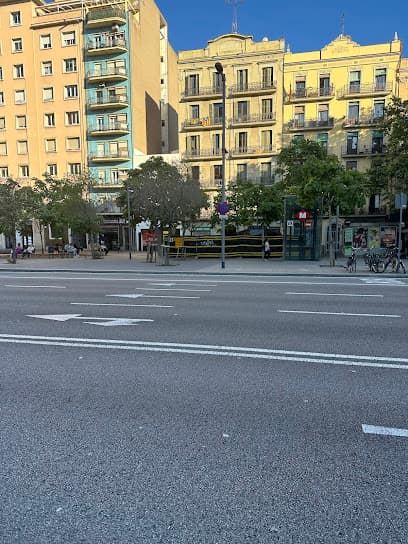
City Bus Tour Stop Plaça Pius XII
Les Corts
A sun-baked slab of pavement on the Diagonal where the double-deckers pause to vent exhaust and drop off pilgrims heading for the altar of FC Barcelona.
0.0(0)
Tourist attraction
ATTRACTION
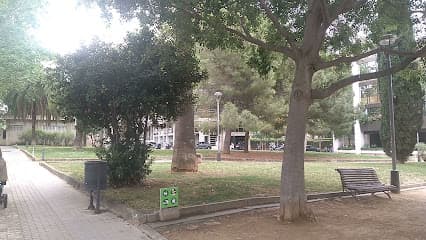
Jardins de la Font dels Ocellets
Les Corts
A quiet, unpretentious slice of Les Corts where the only thing louder than the fountain is the sound of locals actually living their lives away from the Gaudí-obsessed crowds.
0.0(0)
Garden
Frequently Asked Questions
Is Jardins de la Maternitat worth visiting?
Yes, especially if you appreciate Modernist architecture and want to escape the tourist crowds. It offers a peaceful, local atmosphere that you won't find in the city center.
How do I get to Jardins de la Maternitat?
The easiest way is by Metro. Take Line 3 (Green) to either the Maria Cristina or Les Corts stations; the gardens are a 5-10 minute walk from either.
Is there an entrance fee for the gardens?
No, entrance to the Jardins de la Maternitat is completely free as it is a public park managed by the city.
What is the best time to visit?
Weekday mornings are exceptionally quiet. It's also a great spot in the late afternoon when the sun hits the red brick buildings, creating a warm, golden glow.
Reviews
0 reviews for Jardins de la Maternitat
No reviews yet. Be the first to share your experience!