3.8
1,441 verified reviews
About
If you’ve spent the morning dodging selfie sticks and overpriced gelato near the Sagrada Familia, your soul probably needs a rinse. Walk fifteen minutes north, past the hospital, and you’ll find the Jardins de Can Miralletes. It isn’t a 'must-see' in the way the guidebooks define it. There are no soaring spires or trencadís mosaics here. Instead, there is something much rarer in this city: unvarnished reality. This is a neighborhood park in the Camp de l'Arpa del Clot, a place where the primary currency is shade and the only spectacle is the slow, rhythmic passage of local life.
At the heart of this green pocket sits the Masia Can Miralletes. Built in 1736, this farmhouse is a survivor. It stood here when this entire area was nothing but fields and dust, long before the Eixample grid swallowed the horizon. For years, it sat in a state of dignified decay, a crumbling ghost of Barcelona’s pastoral past. But the neighborhood fought for it. Recently restored and converted into a 'Casal de Barri' or community center, the masia now serves as a reminder that the city belongs to the people who live in it, not just the people who visit it. It’s a handsome, two-story stone structure that looks like it wandered out of the Pyrenees and got lost in the urban sprawl.
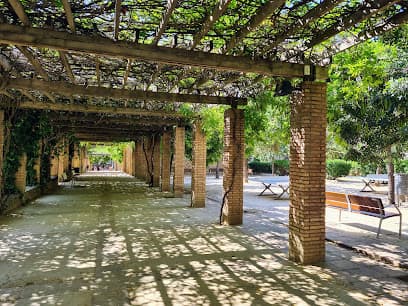
The park itself is a masterclass in the importance of the 'shadow'—a word that appears constantly in local reviews. In the brutal heat of a Barcelona July, the canopy of acacias, tipuanas, and eucalyptus trees is a literal lifesaver. The ground is that familiar Mediterranean mix of packed dirt and gravel that gets into your shoes and reminds you that nature, even when landscaped, is messy. You won’t find manicured English lawns here; you’ll find the benches where the real business of the barrio happens. This is where the elderly sit in pairs, dissecting the latest political scandals or the price of hake at the market, their canes hooked over the backrests like parked motorcycles.
For the younger set, the playground is the main draw. It’s a cacophony of Catalan and Spanish, a place where kids burn off energy while their parents catch a breath. And then there are the dogs. This is a prime territory for the neighborhood’s four-legged residents, who treat the gravel paths with the same reverence a pilgrim treats a cathedral. It’s an honest atmosphere that doesn't try too hard. The smell of damp earth after a sprinkler run, the distant hum of traffic on Carrer de Sant Antoni Maria Claret, and the sight of the sun filtering through the leaves onto the old stone walls of the farmhouse.
Is it worth visiting? If you want the grand, manicured parks the city is famous for, the ones with the fountains and the statues, go to the Ciutadella. But if you want to understand how this city breathes, come here. It’s a place to sit, to disappear for an hour, and to realize that the most important parts of a city aren't the ones on the postcards. It’s the quiet corners where the shade is deep, the history is tangible, and the tourists are nowhere to be found. It’s a small, green victory for the locals, and if you’re respectful, they might just let you share a bench.
Type
Park, Tourist attraction
Duration
45-60 minutes
Best Time
Late afternoon when the neighborhood comes alive and the heat begins to break.
What People Say
shadow(27)bank(26)dogs(24)game(17)masia(12)smoking(11)urine(10)sitting(10)
Features
Park
Tourist attraction
Categories
HistoryFamily FriendlyNatureArchitecture
Ticket Prices
Free Admission
No tickets required
Opening Hours
- MondayOpen 24 hours
- TuesdayOpen 24 hours
- WednesdayOpen 24 hours
- ThursdayOpen 24 hours
- FridayOpen 24 hours
- SaturdayOpen 24 hours
- SundayOpen 24 hours
Must-See Highlights
The 18th-century Masia Can Miralletes
The shaded central promenade
The local playground area
Visitor Tips
Bring a book and grab a bench under the tipuana trees for a true local experience.
Combine this with a visit to the Hospital de Sant Pau to see two very different sides of the neighborhood.
Don't expect a cafe inside the park; grab a coffee at one of the bars on Carrer de Sant Antoni Maria Claret before entering.
Good For
Families with childrenBudget travelersHistory buffsDog ownersSolo travelers seeking quiet
Why Visit
Historic 1736 Masia farmhouse at the center of the park
Exceptional natural shade from mature acacia and eucalyptus trees
Authentic local atmosphere far from the typical tourist circuits
Nearby Landmarks
- Hospital de Sant Pau (8-minute walk)
- Sagrada Familia (18-minute walk)
- Antiga Fàbrica Estrella Damm (12-minute walk)
Accessibility
- Flat gravel paths
- Wheelchair accessible entrances
- Accessible benches
Location
Carrer de Sant Antoni Maria Claret, 310
Sant Martí, Barcelona
Nearby Hotels
Nearby Restaurants
In Sant Martí
ATTRACTION
LOS CERDINS HOUSE
Sant Martí
A raw, repurposed industrial relic in the heart of Sant Martí, Los Cerdins House is a testament to the neighborhood's manufacturing soul, where red-brick history meets the sharp, creative edge of modern Barcelona.
0.0(0)
Tourist attraction
ATTRACTION
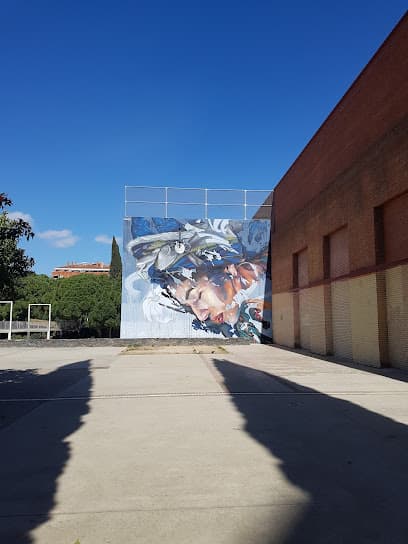
Pista de frontó
Sant Martí
A sun-baked slab of concrete where the rhythmic thwack of a ball against stone serves as the soundtrack to a neighborhood still clinging to its gritty, industrial Poblenou soul.
0.0(0)
Park
ATTRACTION
Saraya Express
Sant Martí
A specialized travel outpost tucked away in Sant Martí. Saraya Express is where the logistics of a trip to Cairo meet the grit of Barcelona’s daily grind, far from the tourist-trap fluff.
0.0(0)
Tourist attraction
Frequently Asked Questions
Is Jardins de Can Miralletes worth visiting?
Yes, if you want to escape the tourist crowds and see a genuine neighborhood park. It’s a solid spot for a quiet break in the shade, especially if you’re visiting the nearby Hospital de Sant Pau.
What is the Masia Can Miralletes?
It is an 18th-century farmhouse (built in 1736) that was recently restored. It now serves as a community center (Casal de Barri) and is a rare example of the area's rural past.
Is the park good for children?
Absolutely. There is a dedicated playground area that is very popular with local families, and the park is entirely enclosed and safe.
How do I get to Jardins de Can Miralletes?
The easiest way is via Metro Line 5 (Blue) to the Camp de l'Arpa station. It is also a short 10-minute walk from the Hospital de Sant Pau.
Reviews
0 reviews for Jardins de Can Miralletes
No reviews yet. Be the first to share your experience!