3.8
35 verified reviews
About
Sant Martí is not the Barcelona they sell you on the back of a bus tour ticket. There are no trencadís lizards here, no gothic gargoyles leering down at you, and mercifully, no one is trying to sell you a plastic bullfighter hat. This is the engine room of the city—a sprawling grid of high-rise apartments, wide avenues, and the relentless hum of real life. In the middle of this concrete forest sits the Jardins d'Ana Figuera, a patch of green that feels less like a tourist attraction and more like a communal lung.
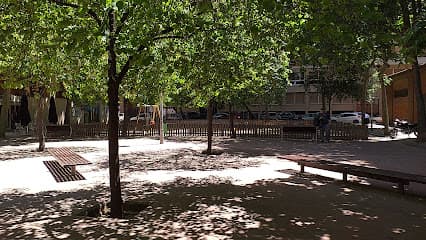
Named after the Spanish poet Angela (Ana) Figuera Aymerich, the park carries a certain weight. Figuera was a woman who wrote 'social poetry'—verses that didn't shy away from the dirt, the struggle, and the raw humanity of post-war Spain. It is fitting, then, that her namesake park is located here, in a neighborhood that was built on the sweat of the working class. The gardens aren't expansive or particularly lush; they are utilitarian. They are a place for the 'abuelos' to sit on weathered benches and argue about the state of the world, for parents to let their kids burn off energy on the playground equipment, and for the occasional dog to sniff at the base of a tipuana tree.
When you walk into the Jardins d'Ana Figuera, you are stepping into the living room of Sant Martí de Provençals. The architecture surrounding the park is a vertical wall of balconies, many draped with the Estelada or laundry drying in the Mediterranean sun. It creates a sense of enclosure that is both intimate and slightly claustrophobic. You hear the rhythmic clatter of the metro rumbling somewhere beneath the asphalt, the distant roar of traffic from the Gran Via, and the immediate, sharp cries of children playing tag. It’s a raw, unfiltered atmosphere that is unapologetically urban.
The park itself is a mix of paved paths and sandy patches, shaded by a variety of trees that struggle valiantly against the city heat. It’s not 'beautiful' in the classical sense, but it is honest. There is a profound lack of pretension here. You won't find a third-wave coffee shop or a boutique selling artisanal soaps within three blocks. What you will find is the soul of a neighborhood that has survived urban renewal, economic shifts, and the slow creep of gentrification.
If you’re looking for a marquee landmark, keep moving. Go back to the Eixample and wait in line for a selfie. But if you want to understand the texture of Barcelona—the way the city breathes when it thinks no one is watching—sit down on one of these benches for twenty minutes. Watch the way the light hits the brickwork of the surrounding flats. Smell the faint scent of pine needles mixed with the ozone of a coming storm. This is the Barcelona that belongs to the people who actually live here. It’s a quiet, stubborn defiance of the tourist-centric narrative, and for that alone, it’s worth the trek out to Carrer d'Andrade. It is a reminder that a city is not just its monuments, but the small, green spaces where its people find a moment of peace between the shifts of a long day.
Type
City park
Duration
30-45 minutes
Best Time
Late afternoon when the neighborhood comes alive with families and the sun is less intense.
Features
City park
Categories
Green SpaceNeighborhood ParkPlayground
Ticket Prices
Free Admission
No tickets required
Opening Hours
- MondayOpen 24 hours
- TuesdayOpen 24 hours
- WednesdayOpen 24 hours
- ThursdayOpen 24 hours
- FridayOpen 24 hours
- SaturdayOpen 24 hours
- SundayOpen 24 hours
Must-See Highlights
The children's playground which serves as the neighborhood hub
The surrounding 1960s-70s residential architecture typical of Sant Martí
The commemorative plaque or signage dedicated to poet Ana Figuera
Visitor Tips
Don't expect a café inside; grab a drink at one of the local 'granges' on Carrer d'Andrade before heading in.
It's a great spot for a quiet read if you're staying in the Sant Martí or Poblenou area.
Visit the nearby old church of Sant Martí de Provençals for a hit of history after seeing the modern park.
Good For
Families with childrenBudget travelersLocal life seekersDog walkers
Why Visit
Zero tourist crowds, offering a 100% authentic local Barcelona atmosphere
Named after the influential social poet Angela Figuera Aymerich
A rare breath of air in the high-density residential grid of Sant Martí
Nearby Landmarks
- 5-minute walk from Sant Martí Metro Station (L2)
- 10-minute walk from Paròquia de Sant Martí de Provençals
- 2-minute walk from Gran Via de les Corts Catalanes
Accessibility
- Flat paved paths
- Step-free access to the main park area
- Benches available throughout
Location
Carrer d'Andrade, 176
Sant Martí, Barcelona
Nearby Hotels
Nearby Restaurants
In Sant Martí
ATTRACTION
LOS CERDINS HOUSE
Sant Martí
A raw, repurposed industrial relic in the heart of Sant Martí, Los Cerdins House is a testament to the neighborhood's manufacturing soul, where red-brick history meets the sharp, creative edge of modern Barcelona.
0.0(0)
Tourist attraction
ATTRACTION
Pista de frontó
Sant Martí
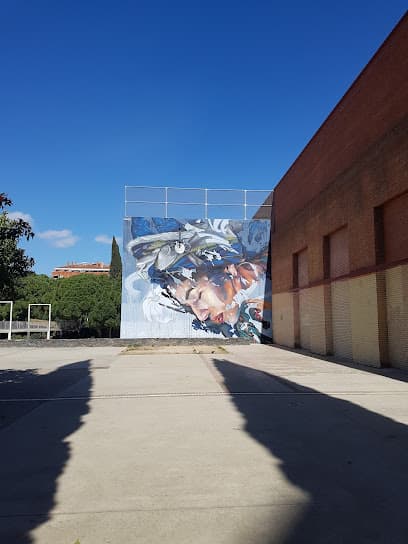
A sun-baked slab of concrete where the rhythmic thwack of a ball against stone serves as the soundtrack to a neighborhood still clinging to its gritty, industrial Poblenou soul.
0.0(0)
Park
ATTRACTION
Saraya Express
Sant Martí
A specialized travel outpost tucked away in Sant Martí. Saraya Express is where the logistics of a trip to Cairo meet the grit of Barcelona’s daily grind, far from the tourist-trap fluff.
0.0(0)
Tourist attraction
Frequently Asked Questions
Is Jardins d'Ana Figuera worth visiting?
Only if you want to see an authentic, non-touristy neighborhood park in Sant Martí. It is a simple green space for locals, not a major landmark with monuments or views.
How do I get to Jardins d'Ana Figuera?
The easiest way is via the Barcelona Metro Line 2 (Purple). Get off at the Sant Martí station; the park is a short 5-minute walk from the exit.
What is near Jardins d'Ana Figuera?
The park is close to the historic Paròquia de Sant Martí de Provençals and the busy Gran Via de les Corts Catalanes. It is located in a primarily residential area.
Is there a playground at Jardins d'Ana Figuera?
Yes, the park features a standard children's play area, making it a popular spot for local families in the Sant Martí neighborhood.
Reviews
0 reviews for Jardins d'Ana Figuera
No reviews yet. Be the first to share your experience!