
3.9
27 verified reviews
About
Barcelona is a city of scars. Every time a building is torn down or a street is rerouted, it leaves behind a 'mitgera'—a blind, windowless wall that looks like a scab on the urban skin. Usually, these are covered in faded advertisements for laundry detergent or just left to rot in the Mediterranean sun. But at the corner of Carrer del Marquès de Sentmenat and Josep Tarradellas, someone decided to perform a bit of radical urban surgery. They didn't just paint a mural; they built a lung.
The Jardí vertical Tarradellas is a six-story, 21-meter-high living organism. Designed by Capella Garcia Arquitectura and completed around 2011, it was part of a city-wide push to beautify these architectural dead zones. But calling it 'beautification' feels too polite, too much like something a tourism board would whisper. This thing is a feat of engineering. It’s a massive metal skeleton bolted onto a residential building, supporting a complex hydroponic system that keeps thousands of plants from plummeting onto the scooters buzzing below on Berlin Street.
When you stand at the base of it, you don't get the quiet, contemplative silence of the Parc de la Ciutadella. You get the real Barcelona. You get the smell of diesel fumes from the 54 bus mixing with the damp, earthy scent of wet ferns. You hear the screech of brakes and the distant shouting of a delivery driver, but if you look up—really look up—you see a different world. There are birds living up there, nesting in the thickets of ivy and fatsia, probably laughing at the humans stuck in the gridlock below.
The structure itself is clever. It’s not just a flat wall of green; it has internal stairs and balconies, a hidden infrastructure for the gardeners who have to scale this thing like urban sherpas to prune the dead leaves and check the irrigation. It’s a vertical stage where the seasons play out in slow motion. In the spring, it’s a riot of different greens; in the winter, it looks a bit more skeletal, a bit more tired, much like the rest of us.
Let’s be honest: this isn't a 'must-see' in the sense that you should skip the Sagrada Família for it. It’s a wall. You can’t go inside, you can’t have a picnic on it, and you certainly can’t climb it unless you want a very uncomfortable conversation with the Mossos d'Esquadra. It’s an attraction for the urbanists, the architecture nerds, and the people who find beauty in the way a city tries to fix its own mistakes. It’s for the traveler who wants to see how a dense, crowded metropolis tries to breathe when it’s running out of space.
If you’re heading toward the Sants train station or making the pilgrimage to Camp Nou, it’s worth the ten-minute detour. Stand on the opposite corner, wait for the light to change, and just watch it for a minute. It’s a reminder that even in a jungle of concrete and glass, nature is just waiting for a metal frame to climb on. It’s weird, it’s functional, and it’s quintessentially Barcelona—taking something ugly and making it breathe.
Type
Garden
What People Say
building(2)
Features
Garden
Categories
ArchitectureGardenSustainabilityUrban Art
Opening Hours
- MondayOpen 24 hours
- TuesdayOpen 24 hours
- WednesdayOpen 24 hours
- ThursdayOpen 24 hours
- FridayOpen 24 hours
- SaturdayOpen 24 hours
- SundayOpen 24 hours
Accessibility
- Fully viewable from the public sidewalk
- Flat terrain around the viewing area
- Wheelchair accessible viewing
Location
Carrer del Marquès de Sentmenat, 96
Les Corts, Barcelona
Nearby
ATTRACTION
Mosaics
100 m · Les Corts
Forget the plastic Gaudí magnets. This is where the real work happens—a dusty, tile-strewn workshop in Les Corts where the ancient art of trencadís is kept alive by hand.
0.0(0)
Tourist attraction
ATTRACTION
Murales Trencadís
100 m · Les Corts
A jagged, colorful middle finger to urban erasure, these community-built mosaics in Les Corts tell the story of a neighborhood that refused to be forgotten. Real art for real people.
0.0(0)
Tourist attraction
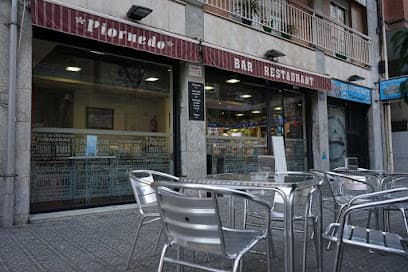
RESTAURANT
Bar Restaurante Piornedo
€€200 m · Les Corts
A no-nonsense Galician outpost in Les Corts where the tortilla is legendary, the beer is cold, and the 'menú del día' is a masterclass in honest, blue-collar Spanish cooking.
4.4(438)
Galician restaurantBar & grill
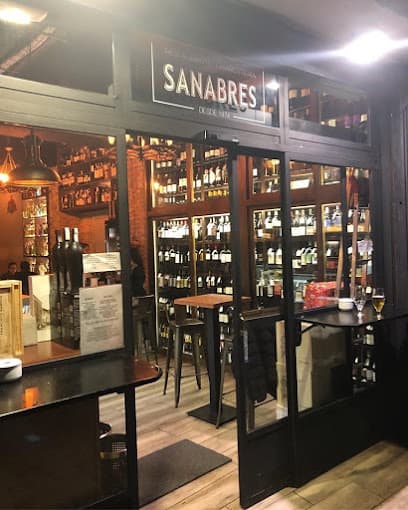
RESTAURANT
Restaurant Sanabrés
€€200 m · Les Corts
A temple of protein and peat in Les Corts where the ribeye is sacred, the cecina is legendary, and the whiskey collection could floor a longshoreman. No fluff, just real food.
4.4(816)
RestaurantMediterranean restaurant

HOTEL
Hotel NH Barcelona Entenza
€€100 m · Les Corts
A functional, no-nonsense base camp in Les Corts for travelers who value a fast escape to Sants Station over the tourist-choked chaos of the Gothic Quarter.
4.1(903)
Hotel
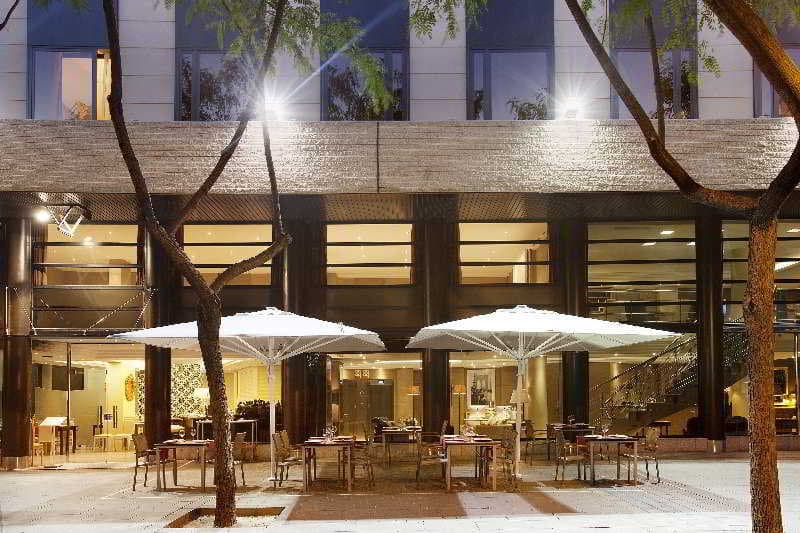
HOTEL
Acta City47
€250 m · Sants-Montjuïc
A strategic, no-nonsense base camp five minutes from Sants Station. Quiet, modern rooms and a 24-hour gym for travelers who value logistics over postcard pretension.
4.0(1K)
Hotel
Frequently Asked Questions
Is Jardí vertical Tarradellas worth visiting?
It is worth a quick stop if you are an architecture enthusiast or already in the Les Corts neighborhood. It is a unique example of urban sustainability, though it only takes a few minutes to view from the sidewalk.
How much does it cost to see the vertical garden?
It is completely free. The garden is located on the exterior of a residential building and can be viewed from the public sidewalk at the intersection of Berlin and Josep Tarradellas.
Can you go inside the Jardí vertical Tarradellas?
No, you cannot go inside or climb the structure. It is a 'blind wall' garden attached to a private apartment building; the internal stairs are for maintenance workers only.
What is the best time to visit?
Daylight hours are best to appreciate the variety of plant species. Late afternoon light can be particularly striking against the green foliage.
Reviews
0 reviews for Jardí vertical Tarradellas
No reviews yet. Be the first to share your experience!