About
You don’t just stroll into Park Güell. You earn it. You hike up the steep, sweat-slicked streets of Gràcia, dodging locals who look at you with a mix of pity and exhaustion, until you reach the Marianao entrance. This isn't the primary artery of Carrer d’Olot; it’s the higher-ground approach, a side-winding entry for those who want to see the park from the top down rather than fighting through the main gate.
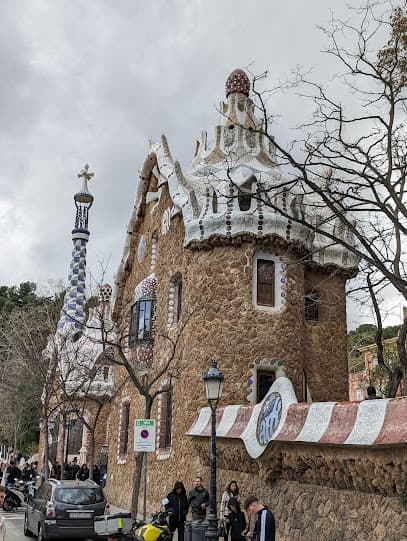
Entering here, you aren't greeted by the gingerbread houses. Those are far below you, looking like they were baked in a kiln by a gingerbread man on acid. They are beautiful, strange, and utterly ridiculous. One of them, the Casa del Guarda, was meant for the park’s gatekeeper. From this elevation, you see them as part of a grand, jagged, broken-tile mosaic landscape—the trencadís technique that Gaudí perfected while the rest of the world was still building boring gray boxes.
From the Marianao gate, you have to work your way down the hillside before you’re confronted by the Dragon Stairway. This is where the madness peaks. Everyone is fighting for a photo with 'El Drac,' the multicolored ceramic lizard that has become the unofficial mascot of the city. He sits there, stoic and glazed, while influencers strike poses and children try to climb his back. It’s a circus, sure, but look past the crowds. Look at the precision of the tile work, the way the colors shift in the Mediterranean light, and the sheer audacity of building a monumental fountain that looks like a prehistoric reptile.
Beyond the lizard lies the Hypostyle Room, a forest of eighty-six Doric columns that support the massive plaza above. It was originally intended to be a market for a luxury housing estate that never happened. The project was a commercial failure, a real estate bust of epic proportions, which is the most relatable thing about it. Because it failed as a neighborhood, it succeeded as a masterpiece. The ceiling is covered in circular mosaics that represent the four seasons and the lunar cycles, sharp, obsessive details that most people miss because they’re too busy looking at their phones.
Then there’s the Plaça de la Natura, the great open square surrounded by the world’s longest undulating bench. It’s an ergonomic miracle, designed to fit the human spine, covered in a chaotic explosion of recycled ceramics. From here, you get the view—the one you’ve seen on every postcard. The gingerbread houses in the foreground, the spires of the Sagrada Família cutting through the haze in the distance, and the blue smudge of the sea beyond. It is, despite the noise and the heat, one of the few places in this city that actually lives up to the impossible hype.
Is Park Güell worth it? If you expect a quiet, contemplative walk in the woods, absolutely not. It is loud, it is packed, and the sun will beat you senseless. But if you want to see what happens when a genius is given a mountain and told to go nuts, you have to come here. Just buy your tickets in advance. If you show up at the Marianao entrance without a QR code in 2025, the only thing you’ll be seeing is the 'Sold Out' sign and the long, sad walk back down the hill. This isn't a park anymore; it’s a monument that requires a strategy. Come early, bring water, and try to remember that beneath the tourist veneer, this is the soul of Catalan Modernism laid bare.
Type
Park
Guided Tours
Available
Audio Guide
Available
Features
Park
Categories
ArchitectureUNESCOGaudíModernism
Opening Hours
- Monday9 AM to 7:30 PM
- Tuesday9 AM to 7:30 PM
- Wednesday9 AM to 7:30 PM
- Thursday9 AM to 7:30 PM
- Friday9 AM to 7:30 PM
- Saturday9 AM to 7:30 PM
- Sunday9 AM to 7:30 PM
Accessibility
- Wheelchair accessible routes available but very steep
- Accessible toilets on site
Location
Carrer d'Olot, 24
Gràcia, Barcelona
Nearby
ATTRACTION
Jardins d'Àustria
50 m · Gràcia
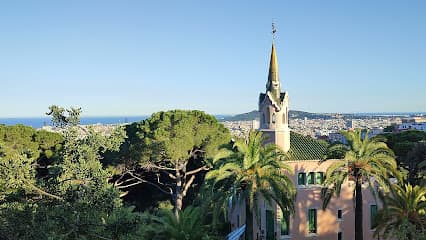
A lush, pine-scented reminder of Gaudí’s failed real estate dreams, offering a rare moment of quiet and a killer vantage point over the park’s famous gingerbread-house madness.
0.0(0)
ParkGarden
ATTRACTION
Casa del Guarda
50 m · Gràcia
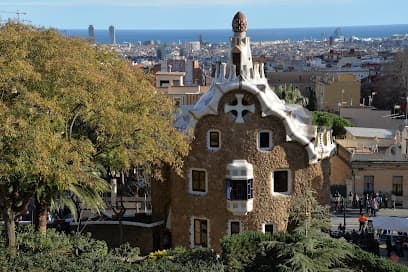
The ultimate gingerbread house where Gaudí’s psychedelic vision meets the humble reality of a park caretaker’s life, wrapped in a skin of broken ceramics and madness.
4.4(7K)
Tourist attraction
RESTAURANT
Restaurant Larrard 55
€€100 m · Gràcia
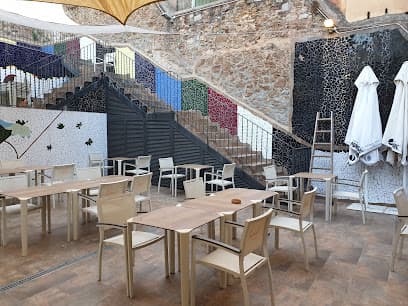
The inevitable pit stop on the climb to Park Güell, where the sangria is cold, the paella is predictable, and the view of passing tourists is better than the food.
3.0(466)
Mediterranean restaurant
RESTAURANT
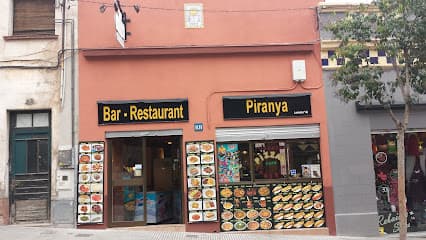
Bar-Restaurant Piranya
€€150 m · Gràcia
A gritty, no-nonsense refueling station on the steep climb to Park Güell where the beer is cold, the pizza is safe, and the tourist gauntlet is in full, chaotic swing.
3.2(550)
BarFast food restaurant
HOTEL
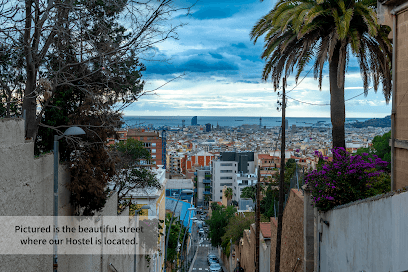
Factory Hostels Barcelona
€250 m · Gràcia
A gritty, industrial-chic refuge in the hills of Gràcia where privacy curtains and rooftop beers offer a sanctuary from the swarming tourist crowds of Park Güell.
4.1(588)
Youth hostel
HOTEL
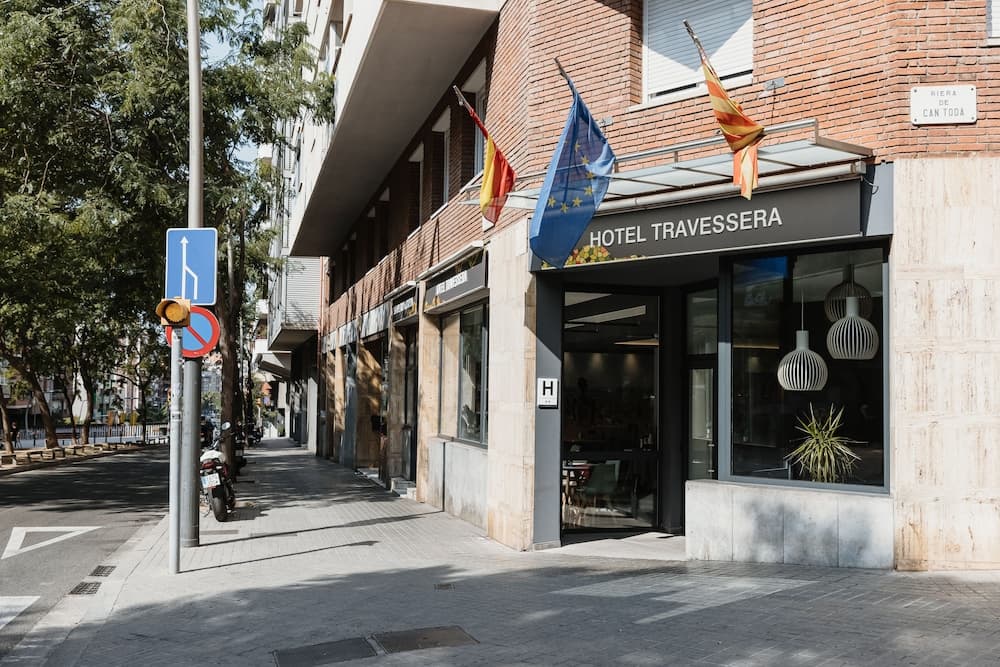
Hotel Travessera
€450 m · Gràcia
A no-nonsense base camp on the edge of Gràcia, where the price is right and Gaudí’s Park Güell is just a steep walk away. It’s honest, functional, and refreshingly devoid of pretension.
3.8(547)
Hotel
Frequently Asked Questions
Is Park Güell worth visiting?
Yes, for the architecture and views, but it is extremely crowded. You must book tickets weeks in advance for the Monumental Zone to see the lizard and the main plaza.
What is the best time to visit Park Güell?
Go as early as possible, ideally at the 9:30 AM opening slot, or late in the evening before sunset to avoid the worst of the heat and the largest tour groups.
How do I get to the Marianao entrance?
Take the Metro L3 to Vallcarca and follow the signs for the escalators on Baixada de la Glòria. This takes you to the top of the park near the Marianao gate, which is easier on the legs than the uphill walk from Lesseps.
Can you enter Park Güell for free?
The forest areas are free for local residents with a 'Bon Dia Barcelona' pass, but all tourists must pay for a ticket to enter the Monumental Zone where the Gaudí structures are located.
Reviews
0 reviews for Entrada Marianao Park Güell
No reviews yet. Be the first to share your experience!