About
Barcelona is a city that has been polished to a high, corporate sheen, but if you take the L3 metro up to Vallcarca and step out into the shadow of the great concrete viaduct, the mask starts to slip. This is a neighborhood that has spent the last fifty years in a bare-knuckle brawl with urban planners and real estate speculators. The Hort veïnal on Carrer de l'Argentera isn't just a garden; it’s a victory lap. It’s a patch of reclaimed earth where the community decided that a vacant lot was better served growing tomatoes and rosemary than sitting as a dusty monument to a failed development plan. This is the raw, unvarnished heart of Gràcia’s northern frontier, far from the boutique-lined streets of the Vila.
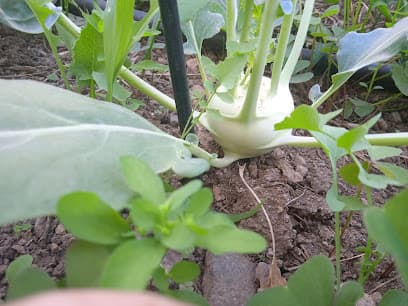
Walking into the garden, you aren't greeted by a uniformed docent or a gift shop selling Gaudí-themed magnets. Instead, you get the smell of damp compost, the sharp scent of wild lavender, and the sight of recycled wooden pallets turned into raised beds. It’s scrappy. It’s honest. You’ll see chard leaves the size of dinner plates, vines of cherry tomatoes climbing up makeshift trellises, and perhaps a few local retirees—the 'veïns'—arguing over the best way to prune a lemon tree. This space is part of the 'Mans al Verd' initiative, but don't let the official city branding fool you; the soul of this place belongs to the people who hauled the dirt here and fought for the right to plant in it.
To understand why this little plot matters, you have to understand the trauma of Vallcarca. In 1976, a metropolitan plan threatened to tear the neighborhood apart to build a massive highway. For decades, buildings were demolished, families were displaced, and the area was left with 'buits'—voids—that looked like missing teeth in a smile. The Hort veïnal is one of those voids filled with life. It’s a social project as much as an agricultural one, often involving local mental health collectives and neighborhood assemblies. It’s a place where the act of planting a seed is a political statement, a way of saying 'we are still here, and we aren't going anywhere.'
The light hits differently up here. As the sun dips behind the hills of Collserola, the garden glows with a quiet, defiant energy. You hear the distant hum of traffic on the Avinguda de Vallcarca, but inside the fence, it’s just the sound of a watering can and the rustle of leaves. There are hand-painted signs explaining the medicinal properties of the herbs and murals on the surrounding walls that tell the story of the neighborhood’s struggle. It’s not 'pretty' in the way the Rose Garden at Cervantes is pretty. It’s beautiful in the way a scar is beautiful—it’s proof of survival and a testament to the fact that people need green spaces more than they need another luxury apartment block.
Is it worth the trek? If you’re looking for a manicured park where you can sit on a bench and ignore the world, go to the Ciutadella. But if you want to see what Barcelona looks like when it’s fighting for its soul, come here. It’s one of the most honest things to do in Gràcia if you actually give a damn about the people who live here. It’s a reminder that a city isn't just a collection of monuments and tapas bars; it’s a living, breathing organism that requires dirt under the fingernails to keep going. Bring a bottle of water, wear shoes you don't mind getting a little dusty, and leave your expectations of a 'tourist attraction' at the metro station.
Type
Garden
Duration
30-45 minutes
Best Time
Late afternoon for the golden hour light and to see local neighbors tending to the plants.
Features
Garden
Categories
Community GardenUrban AgricultureSocial ProjectGràcia
Ticket Prices
Free Admission
No tickets required
Opening Hours
- MondayOpen 24 hours
- TuesdayOpen 24 hours
- WednesdayOpen 24 hours
- ThursdayOpen 24 hours
- FridayOpen 24 hours
- SaturdayOpen 24 hours
- SundayOpen 24 hours
Must-See Highlights
The composting area
Hand-painted medicinal herb signs
View of the Vallcarca Viaduct from the garden
Visitor Tips
Respect the crops—this is a working garden, not a playground
Engage with the locals if they are around; they often have great stories about the neighborhood
Combine your visit with a walk across the Vallcarca bridge for great views
Good For
ActivistsUrban explorersCommunity organizersNature lovers
Why Visit
Defiant community-led urban reclamation
Raw glimpse into Vallcarca's social activism
Sustainable urban agriculture in a dense concrete environment
Nearby Landmarks
- 2-minute walk from Viaducte de Vallcarca
- 5-minute walk from Casa Comas d'Argemir
- 15-minute walk from Park Güell
Accessibility
- Gravel and dirt paths
- Mostly flat terrain within the garden
- Located in a hilly neighborhood with steep streets
Location
Carrer de l'Argentera
Gràcia, Barcelona
Nearby Hotels
Nearby Restaurants
In Gràcia
ATTRACTION
Maison Sara
Gràcia
Forget the mass-produced kitsch on La Rambla. This is Gràcia at its best: a tactile, clay-smeared workshop where the art is as raw and honest as the neighborhood itself.
0.0(0)
Tourist attraction
ATTRACTION
Intercambiador de libros
Gràcia
A humble, weather-beaten box in the hills of Vallcarca where local history is traded one dog-eared paperback at a time. No tourists, no Wi-Fi, just paper and community.
0.0(0)
Park
ATTRACTION
View
Gràcia
Forget the elbow-to-elbow chaos of Park Güell. This is the raw, vertical soul of Gràcia, where the city unfolds in a silent, sun-drenched sprawl at your feet.
0.0(0)
Garden
Frequently Asked Questions
Is Hort veïnal worth visiting?
Yes, if you want to see the unvarnished, activist side of Barcelona. It is not a traditional tourist site, but a community-managed garden that represents the neighborhood's resistance against gentrification.
What should I see at the garden?
Look for the variety of local crops like chard and tomatoes, the hand-painted educational signs, and the neighborhood murals that detail the history of Vallcarca's urban struggle.
How do I get to Hort veïnal?
Take the Metro L3 (Green Line) to the Vallcarca station. The garden is a short, 2-minute walk from the exit, located near the base of the Viaducte de Vallcarca.
Is there an entrance fee for the garden?
No, admission is free. It is a community space open to the public, though visitors are expected to respect the crops and the work of the local volunteers.
Reviews
0 reviews for Hort veïnal
No reviews yet. Be the first to share your experience!