5.0
1 verified reviews
About
Barcelona isn’t all sangria and mosaics. Sometimes, it’s a bullet in the chest at dawn on a hillside overlooking the sea. That’s how it ended for Francesc Ferrer i Guàrdia in 1909, and if you want to understand the real soul of this city—the one that doesn't make it into the glossy airline magazines—you need to stand in front of this monument in Les Corts.\n\nLocated on a wide, somewhat sterile stretch of the Avinguda Diagonal near the university buildings, the Homenatge a Ferrer i Guàrdia is a replica of a statue originally erected in Brussels. It depicts a muscular, naked figure—a sort of anarchist Prometheus—holding a torch high toward the sky. It’s a symbol of light, of reason, and of the dangerous idea that education should belong to the people, not the church or the state. In a neighborhood dominated by corporate headquarters and academic halls, this bronze figure feels like a ghost haunting the establishment.\n\nFerrer i Guàrdia was the founder of the Escola Moderna, or the Modern School. His crime? He wanted to teach children science, rationalism, and social justice instead of catechisms and blind obedience. The authorities hated him for it. When the 'Tragic Week' erupted in 1909—a violent uprising against conscription for the war in Morocco—the state needed a scapegoat. They picked the guy who was teaching kids to ask 'why.' They put him against a wall at Montjuïc Castle and shot him. His last words were reportedly 'Long live the Modern School.'\n\nVisiting this site isn't about checking a box on a tourist itinerary. There are no ticket booths, no gift shops selling miniature guillotines, and no costumed guides. It’s just you, the traffic humming on the Diagonal, and the weight of history. The monument was finally inaugurated here in 1990, a long-delayed apology from a city that once let its most visionary educator be murdered by a paranoid government. It’s a quiet spot, often overlooked by the thousands of students who trudge past it every day on their way to lectures, which is perhaps the ultimate irony.\n\nIf you’re looking for the 'best history sites Barcelona' has to offer, this is the one that tells the truth. It’s a reminder that the freedoms people enjoy today in this city—the right to speak, to learn, to protest—were paid for in blood. It’s a visceral experience if you let it be. You stand there, looking at that torch, and you realize that the struggle for the mind is the oldest war in the world. It’s a far cry from the whimsical curves of Gaudí, but it’s every bit as essential to the fabric of Barcelona.\n\nIs it worth the trek out to Les Corts? If you give a damn about the human cost of progress, yes. It’s a place for reflection, for a moment of silence in a city that is often too loud for its own good. It’s a tribute to a man who believed that 'the mission of the educator is to show the child that the more he knows, the more he will find he has yet to learn.' Go there, look at the bronze, and think about what you’re willing to stand up for. Then go find a cold beer in a nearby bodega and toast to the troublemakers.
Type
Tourist attraction
Duration
15-30 minutes
Best Time
Late afternoon when the sun hits the bronze torch and the university crowds have thinned out.
Features
Tourist attraction
Categories
HistorySculptureAnarchismEducation
Ticket Prices
Free Admission
No tickets required
Must-See Highlights
The bronze torch symbolizing the light of education
The inscription detailing Ferrer i Guàrdia's life and execution
The contrast between the radical statue and the modern university setting
Visitor Tips
Combine this with a visit to the nearby Palau Reial gardens for a quiet afternoon.
Read up on the 'Setmana Tràgica' (Tragic Week) before you go to understand the gravity of the site.
It's a great spot for photography enthusiasts looking for non-cliché Barcelona shots.
Good For
History buffsSolo travelersPolitical junkiesBudget travelers
Why Visit
Radical Anarchist History
Zero Tourist Crowds
Powerful Symbolic Sculpture
Nearby Landmarks
- 5-minute walk from Palau Reial de Pedralbes
- 10-minute walk from Camp Nou
- 2-minute walk from UB Faculty of Biology
Accessibility
- Outdoor public space
- Wheelchair accessible sidewalk
- Level ground
Location
Av. Diagonal, 696
Les Corts, Barcelona
Nearby Hotels
Nearby Restaurants
In Les Corts
ATTRACTION
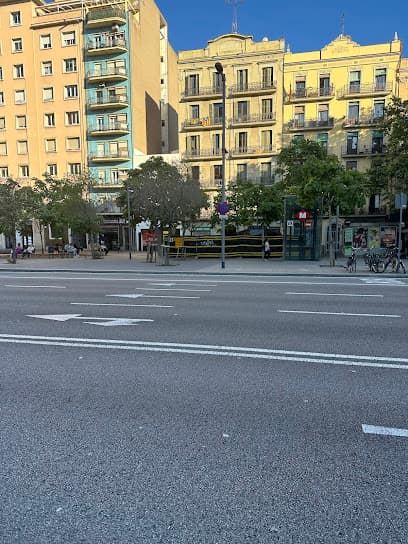
Placa commemorativa 'El Congrés de Sants de la CNT de 1918'
Les Corts
A humble plaque marking the spot where the CNT redefined the labor struggle in 1918. No gift shops here, just the ghosts of the 'Rose of Fire' and the grit of Sants.
0.0(0)
Memorial park
ATTRACTION
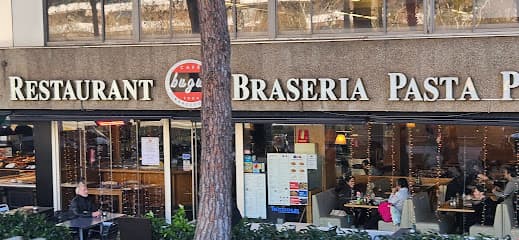
City Bus Tour Stop Plaça Pius XII
Les Corts
A sun-baked slab of pavement on the Diagonal where the double-deckers pause to vent exhaust and drop off pilgrims heading for the altar of FC Barcelona.
0.0(0)
Tourist attraction
ATTRACTION
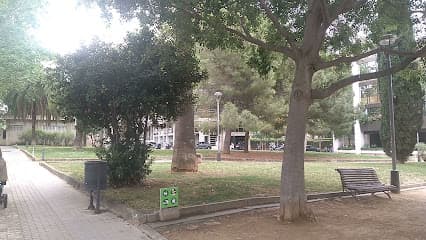
Jardins de la Font dels Ocellets
Les Corts
A quiet, unpretentious slice of Les Corts where the only thing louder than the fountain is the sound of locals actually living their lives away from the Gaudí-obsessed crowds.
0.0(0)
Garden
Frequently Asked Questions
Is Homenatge a Ferrer i Guàrdia worth visiting?
Yes, if you are interested in Barcelona's radical political history and want to see a monument that represents the city's anarchist roots away from the usual tourist crowds.
Who was Francesc Ferrer i Guàrdia?
He was a famous Catalan educator and anarchist who founded the Modern School (Escola Moderna). He was controversially executed by the state in 1909 following the Tragic Week riots.
How do I get to the monument?
The monument is located on Avinguda Diagonal, 696. The easiest way to get there is by taking the Metro Line 3 (Green) to the Palau Reial station and walking about five minutes.
Is there an entrance fee?
No, it is a public monument located in an open space near the University of Barcelona campus, so it is free to visit at any time.
Reviews
0 reviews for Homenatge a Ferrer i Guàrdia
No reviews yet. Be the first to share your experience!