4.8
9 verified reviews
About
You don’t come to Carrer de Santander for the architecture. You don’t come here for the tapas, the sun-drenched plazas, or the ghosts of Picasso. You come here because you’re tired of the polished, shrink-wrapped version of Barcelona that’s being sold to you on every street corner in the Gothic Quarter. You come here because you want to see where the city actually breathes, works, and occasionally, bleeds. Sant Martí is an industrial landscape of concrete, corrugated metal, and the kind of low-slung warehouses that make real estate developers salivate and artists scramble for cover. And in the middle of this beautiful, grey wasteland sits Halfhouse.
Originally founded by artists Alberto Peral and Sinéad Spelman, Halfhouse began its life in a domestic setting—a literal house where the domestic and the creative were forced to share the same oxygen. The name stuck, even after they moved the operation to this cavernous industrial space in the northern reaches of the city. It’s a non-profit, artist-run association that functions as a gallery, a residency, and a middle finger to the commercial art world. There are no gift shops here. There are no velvet ropes. There is just the work, the space, and the conversation.
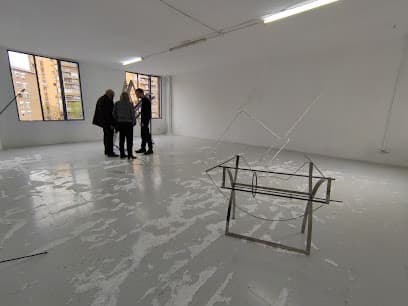
Walking into Halfhouse feels like entering a laboratory where the experiments are still very much in progress. The light comes in through high, industrial windows, hitting the concrete floors in a way that makes even the most avant-garde installation look like it belongs there. Because it’s an artist-run space, the focus isn't on what will sell to a collector in a silk suit; it’s about the dialogue between the artist and the environment. They host residencies that allow creators to live with their work, to fail, to pivot, and to eventually produce something that hasn't been diluted by the need for mass appeal. It is one of the best contemporary art Barcelona experiences for anyone who actually gives a damn about the process.
The programming is eclectic and unapologetic. You might walk in and find a massive sculptural intervention that takes up the entire floor, or a series of delicate drawings that require you to lean in until your nose almost touches the paper. The vibe is quiet, respectful, and intensely focused. It’s the kind of place where you might find the artists themselves sweeping the floor or arguing over the placement of a single light fixture. This is the labor of art, stripped of the gala dinners and the PR fluff. It’s one of those independent art spaces Barcelona manages to keep alive despite the rising tide of gentrification, and it’s a necessary stop for anyone trying to understand the city’s actual artistic pulse in 2025.
Is it out of the way? Absolutely. You’ll likely take the L2 or L4 metro to La Pau and then walk through a neighborhood that feels more like a manufacturing hub than a tourist destination. You’ll pass auto body shops and wholesale distributors. You might wonder if you’re in the right place. But that’s the point. The journey is a palate cleanser. By the time you reach the door of number 15, the noise of the Ramblas has been scrubbed from your brain. You’re ready to see something real. If you’re looking for things to do in Sant Martí that don't involve a shopping mall, this is your destination. It’s a reminder that art doesn't need a palace to be important; sometimes, all it needs is a warehouse and a couple of people who refuse to compromise.
Type
Art gallery, Tourist attraction
Duration
1 hour
Best Time
During exhibition opening nights for the full atmosphere, or weekday afternoons for a quiet, contemplative experience.
What People Say
space(2)artist(2)
Features
Art gallery
Tourist attraction
Categories
Contemporary ArtArtist ResidencyIndustrial SpacesNon-profit
Ticket Prices
Free Admission
No tickets required
Must-See Highlights
The main exhibition hall with its high industrial ceilings
The residency area where artists-in-residence often develop site-specific works
The rotating contemporary installations that often challenge traditional gallery formats
Visitor Tips
Check their Instagram or website before going; they operate on an exhibition-by-exhibition basis and may be closed between shows.
Don't be intimidated by the industrial exterior; the door is often closed, but if they are in the middle of a show, you are welcome.
Combine your visit with a walk through the nearby Parc de Sant Martí to see a side of Barcelona most tourists never encounter.
Good For
Art loversSolo travelersAlternative culture seekers
Why Visit
Artist-run non-profit ethos focused on creative dialogue over commercial sales
Located in a raw, industrial warehouse that provides a unique architectural context for contemporary art
Integrated artist residency program that allows visitors to see works in progress
Nearby Landmarks
- 8-minute walk from La Pau Metro Station
- 10-minute walk from Parc de Sant Martí
- 15-minute walk from the Besòs River Park
Accessibility
- Ground floor warehouse access
- Spacious interior layout
Location
Carrer de Santander, 15
Sant Martí, Barcelona
Nearby Restaurants
In Sant Martí
ATTRACTION
LOS CERDINS HOUSE
Sant Martí
A raw, repurposed industrial relic in the heart of Sant Martí, Los Cerdins House is a testament to the neighborhood's manufacturing soul, where red-brick history meets the sharp, creative edge of modern Barcelona.
0.0(0)
Tourist attraction
ATTRACTION
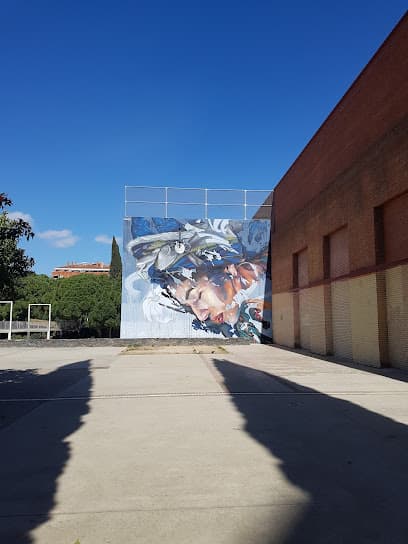
Pista de frontó
Sant Martí
A sun-baked slab of concrete where the rhythmic thwack of a ball against stone serves as the soundtrack to a neighborhood still clinging to its gritty, industrial Poblenou soul.
0.0(0)
Park
ATTRACTION
Saraya Express
Sant Martí
A specialized travel outpost tucked away in Sant Martí. Saraya Express is where the logistics of a trip to Cairo meet the grit of Barcelona’s daily grind, far from the tourist-trap fluff.
0.0(0)
Tourist attraction
Frequently Asked Questions
Is Halfhouse worth visiting?
Yes, if you are interested in contemporary art and want to see the non-commercial, artist-run side of Barcelona. It is not a traditional tourist attraction, but it offers a raw and authentic look at the city's creative process.
Do I need to book tickets for Halfhouse?
Generally, admission is free as it is a non-profit association. However, because it is an independent space, you should check their official website or contact them in advance to ensure they have an active exhibition and to verify their current opening hours.
How do I get to Halfhouse?
The easiest way is to take the Metro L2 (Purple) or L4 (Yellow) to the La Pau station. From there, it is about an 8-10 minute walk through the industrial area of Sant Martí to Carrer de Santander, 15.
Reviews
0 reviews for Halfhouse
No reviews yet. Be the first to share your experience!