3.3
32 verified reviews
About
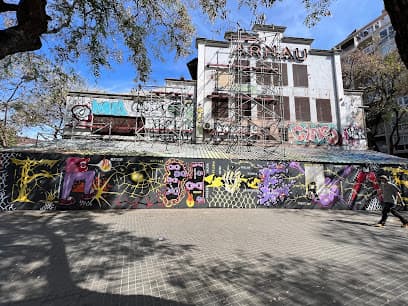
This isn’t the Barcelona of the brochures. This is the Raval, a neighborhood that has spent centuries perfecting the art of not giving a damn what you think of it. If you’re looking for the polished, sun-drenched limestone of the Eixample, you’ve taken a wrong turn. But if you want to see where the city actually breathes—where the frustration, the ego, and the raw creative energy of the streets manifest in layers of aerosol—then you stand in front of the graffiti wall at Carrer Raquel Meller.
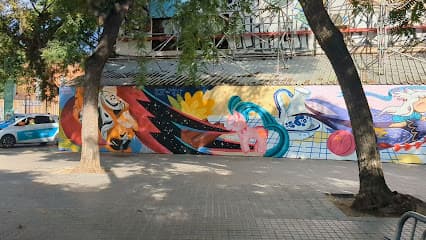
Located in a gritty pocket of Ciutat Vella, right next to the skeletal remains of the Teatre Arnau, this isn't just a wall; it’s a living document. It is part of the Murs Lliures (Free Walls) project, a legal initiative that allows artists to reclaim the urban landscape without looking over their shoulders for the Mossos d'Esquadra. Because it’s legal, the quality is often higher than the frantic tags you see on shop shutters, but because it’s free, it is ephemeral. You could see a masterpiece at 10:00 AM and find it buried under a fresh coat of primer and a new vision by sunset. That is the beauty of it. It’s a middle finger to the idea of permanent, curated art.
The backdrop adds to the weight of the place. The Teatre Arnau, the last wooden theater in the city, stands there like a decaying grand dame, boarded up and waiting for a renovation that always seems to be five years away. The contrast between the rotting history of the theater and the electric, neon-soaked urgency of the graffiti is the best street art Barcelona has to offer. It’s a collision of what was and what is. You’ll see skaters grinding on the ledges, locals walking dogs who’ve seen it all, and the occasional confused tourist wondering where the 'monument' is. This is the monument.
Don’t expect a sanitized experience. The Raval is dense, loud, and occasionally smells of things you’d rather not identify. The 3.3 rating on the maps? That’s from people who expected a museum. They wanted plaques and a clear path. Here, the art is the path. You might find a massive, intricate mural of a local hero, or a surrealist fever dream that makes no sense until you’ve had three espressos. Some days it’s brilliant; some days it’s just a mess of half-finished ideas. But it is always honest.
Is the Raquel Meller wall worth it? If you care about urban culture, absolutely. It’s one of the few places left in the center where the city hasn't been turned into a theme park version of itself. It’s a place for the voyeur of the everyday. Stand back, watch an artist shake a can, hear that rhythmic rattle-clink of the mixing ball, and realize you’re watching the city rewrite its own story in real-time. It’s street-level fuel for the soul—free, fast, and occasionally messy, but far more satisfying than anything you’ll find behind a velvet rope. Just keep your wits about you, leave your pretensions at the Parallel metro station, and look at the walls. They have plenty to say.
Type
Tourist attraction
What People Say
map(3)theater(2)walls(2)
Features
Tourist attraction
Categories
Urban CulturePhotography
Opening Hours
- MondayOpen 24 hours
- TuesdayOpen 24 hours
- WednesdayOpen 24 hours
- ThursdayOpen 24 hours
- FridayOpen 24 hours
- SaturdayOpen 24 hours
- SundayOpen 24 hours
Accessibility
- Flat outdoor plaza
- Wheelchair accessible
- Public space
Location
Carrer Raquel Meller, 60
Ciutat Vella, Barcelona
Nearby
ATTRACTION
Studio 54
50 m · Ciutat Vella
The ghost of Barcelona’s most hedonistic era. Once a den of post-Franco disco fever, this Paral·lel landmark is now a theater, but the echoes of the 80s still haunt the pavement.
5.0(5)
Tourist attraction
ATTRACTION
Park
150 m · Ciutat Vella
A thousand years of silence tucked behind a Romanesque monastery, where the grit of El Raval dissolves into ancient stone, cool shadows, and the heavy weight of history.
0.0(0)
Park
RESTAURANT
Chilango's
€€100 m · Ciutat Vella
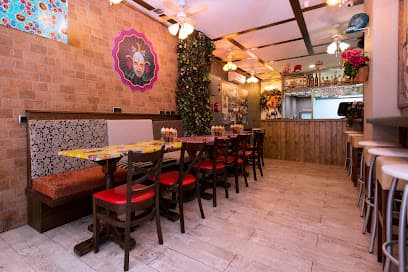
A loud, grease-slicked temple to the taco on the gritty edge of Poble-sec. No frills, just slow-cooked cochinita pibil, lethal micheladas, and the best tres leches in the city.
4.6(4K)
Mexican restaurantTaco restaurant

RESTAURANT
Restaurante Asador de Aranda Paralelo | Asador de carnes en Barcelona
100 m · Ciutat Vella
A temple of wood-fired gluttony where suckling lamb is roasted in clay ovens until the skin shatters like glass and the meat surrenders to the fork. No gimmicks, just fire, salt, and soul.
4.5(786)
RestaurantGrill

HOTEL
Hotel Best Auto Hogar
€50 m · Ciutat Vella
A functional, no-nonsense outpost on the gritty, theater-lined Paral·lel where the metro is at your doorstep and the ghosts of old Barcelona cabarets still linger in the air.
3.8(1K)
HotelBar
HOTEL
INNSiDE by Meliá Barcelona Apolo
€€100 m · Sants-Montjuïc
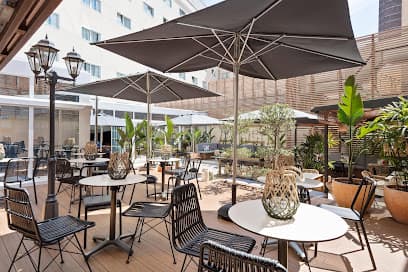
A sharp, efficient base camp on the edge of Poble Sec where the mini-bar is free and the city’s legendary nightlife is right outside your door on the gritty, glorious Paral·lel.
4.6(670)
Hotel
Frequently Asked Questions
Is the Raquel Meller graffiti wall worth visiting?
Yes, if you appreciate authentic urban culture and street art. It is a legal wall that changes daily, offering a raw look at Barcelona's creative scene away from the typical tourist sites.
Can I paint on the wall myself?
Yes, but you must register through the Murs Lliures (Free Walls) platform or app. It is a regulated legal space, not a free-for-all for unapproved tagging.
How do I get to the graffiti wall?
The wall is located in Plaça de Raquel Meller, right next to the Parallel metro station (L2 and L3). It's a short walk from the bottom of the Raval neighborhood.
Is the area safe for tourists?
The area around Teatre Arnau is generally safe during the day but has a gritty, urban feel. Like much of the Raval, keep an eye on your belongings and stay aware of your surroundings, especially at night.
Reviews
0 reviews for Graffiti wall
No reviews yet. Be the first to share your experience!