5.0
1 verified reviews
About
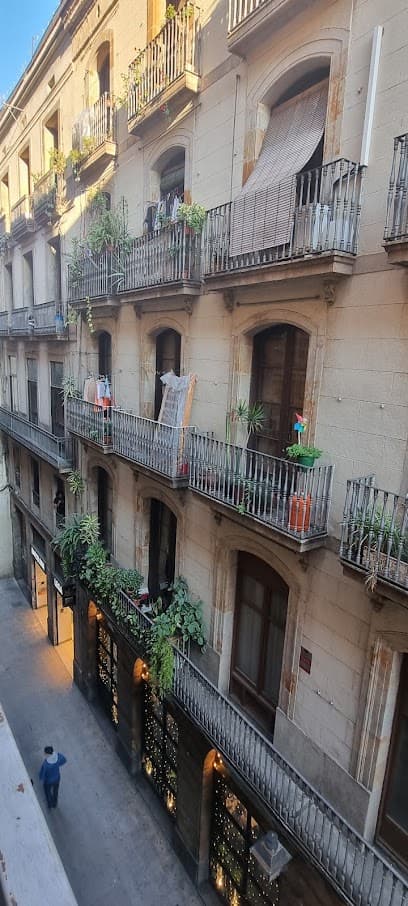
Forget the postcards. The Gothic Quarter—the Barri Gòtic—isn't some sanitized Disney version of the Middle Ages. It’s a dense, claustrophobic, and utterly magnificent labyrinth of stone that has been soaking up blood, wine, and history for two thousand years. When you embark on a Gothic ruta through these streets, you aren't just taking a walk; you’re performing a geological excavation of Barcelona’s soul. This is the most visceral walking tour Barcelona has to offer, simply because the stage is the city itself.
You start, usually, in the shadow of the Cathedral. Not the Sagrada Família—that’s the flashy newcomer. I’m talking about La Seu, a grim, towering pile of Gothic ambition that looks like it was carved out of a nightmare. The air here is different. It’s cooler, damp with the breath of centuries. You walk past the Roman walls, those massive blocks of stone that have stood since before the concept of Spain was even a glimmer in a king’s eye. It’s humbling, or it should be, to realize that your entire existence is a blink of an eye compared to these rocks. If you want to know what to do in the Gothic Quarter, start by just standing still and looking up.
The route takes you deeper, into the Call, the old Jewish Quarter. These are the narrowest streets in the city, places where the sun rarely hits the pavement and the walls seem to lean in to whisper secrets. It’s beautiful, sure, but it’s a heavy beauty. You can feel the weight of the 1391 pogroms, the ghosts of a community wiped out, leaving behind nothing but stones and silence. This is the part of the Gothic ruta that the tourism brochures gloss over with words like 'quaint.' It’s not quaint. It’s haunting. It is the definitive Barri Gòtic walking route for anyone who gives a damn about the truth.
Then you hit Plaça del Rei. This is where the Catholic Monarchs supposedly received Columbus after he stumbled onto the Americas. It’s a stark, enclosed square that feels like a stage set for a grand tragedy. Stand in the corner, shut up for a second, and listen. Beyond the chatter of tour groups and the squeak of sneakers, there’s a resonance here. It’s the sound of power—raw, unforgiving, and absolute. This is why the Barcelona Gothic Quarter history matters; it’s the blueprint of the modern world.
Of course, you’ll have to dodge the bullshit. The Gothic Quarter is infested with shops selling 'authentic' plastic bulls and restaurants offering 'traditional' paella that was frozen in a factory in 2022. Ignore them. The real magic of the Gothic ruta is found in the cracks. It’s the smell of roasting coffee from a century-old shop, the sudden opening of a hidden courtyard where a single orange tree grows, or the sight of an old man sitting on a stone bench, looking like he’s been there since the Renaissance.
Is the Gothic Quarter worth it? Of course it’s worth it. Even with the crowds, even with the overpriced gelato and the pickpockets lurking near the Plaça Reial. You come here because you need to see where it all began. You come here to get lost. In fact, if you don't get lost at least three times, you haven't actually done the route. Put the phone away, ignore the map, and let the stones lead you. Eventually, you’ll emerge back into the light of the 21st century, blinking and slightly disoriented, carrying the weight of the city’s past in your bones. That’s the only way to travel.
Type
Tourist attraction
Duration
2-3 hours
Best Time
Early morning (8:00 AM) to avoid the heat and the largest tour groups.
Guided Tours
Available
Features
Tourist attraction
Categories
HistoryArchitectureWalking TourGothic
Ticket Prices
Free Admission
No tickets required
Must-See Highlights
The Roman walls at Plaça Nova
The shrapnel-scarred walls of Plaça de Sant Felip Neri
The Temple of Augustus hidden inside a courtyard
The gargoyles of the Cathedral
Visitor Tips
Watch your pockets in crowded areas like Plaça de Sant Jaume.
Look up—the best architectural details are often above the shop signs.
Don't eat on the main tourist thoroughfares; duck into a side street for better quality.
Good For
History buffsPhotographersSolo travelersArchitecture lovers
Why Visit
2,000 years of visible history in a single square mile
The hauntingly preserved Jewish Quarter (El Call)
Authentic Roman walls integrated into medieval buildings
Nearby Landmarks
- Barcelona Cathedral (2-minute walk)
- Plaça de Sant Jaume (5-minute walk)
- Plaça del Rei (4-minute walk)
- La Rambla (6-minute walk)
Accessibility
- Mostly pedestrianized
- Uneven cobblestones in many areas
- Wheelchair accessible in main plazas but narrow side streets can be difficult
Location
Ciutat Vella, Barcelona
Nearby Hotels
Nearby Restaurants
In Ciutat Vella
ATTRACTION
Park
Ciutat Vella
A thousand years of silence tucked behind a Romanesque monastery, where the grit of El Raval dissolves into ancient stone, cool shadows, and the heavy weight of history.
0.0(0)
Park
ATTRACTION
BARSHELONA
Ciutat Vella
Forget the plastic bulls and tacky magnets. This is where Barcelona’s soul is bottled into art, a small sanctuary of local design hidden in the shadows of the Gothic Quarter.
0.0(0)
Tourist attraction
ATTRACTION
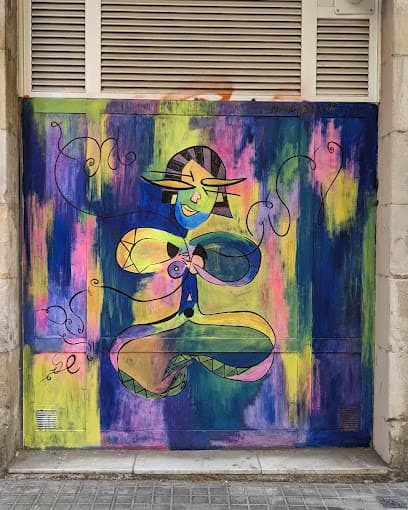
Minajoe art
Ciutat Vella
A raw, paint-splattered antidote to the sterile museum circuit. This is where pop-art meets the grit of the street, served straight from the artist’s hands in the heart of old Barcelona.
0.0(0)
Tourist attraction
Frequently Asked Questions
Is the Gothic ruta worth visiting?
Absolutely. It is the historical nucleus of Barcelona. While crowded, the architectural density and 2,000 years of visible history—from Roman walls to medieval palaces—make it the only way to truly understand the city's bones.
How long do you need for the Gothic Quarter walking route?
Allocate at least 2 to 3 hours. The area is a labyrinth, and the best way to experience it is by wandering slowly, stopping for coffee, and exploring the small plazas like Plaça de Sant Felip Neri.
What is the best time to visit the Gothic Quarter?
Go early in the morning (before 9:00 AM) to see the streets wake up without the crushing tour groups, or late at night when the shadows and yellow streetlights bring out the medieval atmosphere.
Do I need a guide for the Gothic ruta?
A guide helps explain the complex layers of history, but a self-guided walk is perfectly viable. Just ensure you have a map, as the narrow streets can be disorienting.
Reviews
0 reviews for Gothic ruta
No reviews yet. Be the first to share your experience!