4.0
2 verified reviews
About
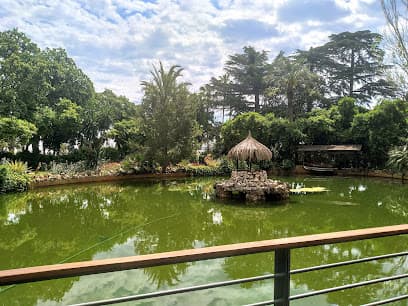
The Diagonal is a scar of asphalt and ambition cutting through Barcelona, a relentless conveyor belt of commuters and commerce. But tucked away in the Les Corts district, behind the glass and steel of the newly minted Gran Meliá Torre Melina, lies a 25,000-square-meter middle finger to the modern world. These aren't your average city-council-mandated green spaces with plastic benches and sad patches of patchy grass. The Gardens of the Melina Tower are a relic, a lush, humid, 19th-century romantic fantasy that somehow survived the relentless march of urban development.
Designed by Josep Fontserè i Mestre—the same visionary who gave us the iconic Parc de la Ciutadella—these gardens were originally the private playground of the local elite. When you walk through here, you’re walking through a vision of Barcelona that existed before the Eixample was even a glimmer in Ildefons Cerdà’s eye. It’s a landscape of winding paths, hidden ponds, and trees so old they probably remember the first steam engines pulling into the city. This is landscape architecture as high art, meant to evoke emotion rather than just provide a place to walk the dog.
The air changes the moment you step inside the perimeter. It’s cooler, heavier with the scent of damp earth, jasmine, and ancient pine. You’ve got palms reaching for the sky like skeletal hands and cedars that provide the kind of deep, dark shade you just don't find in the sun-bleached, tourist-choked squares of the Gothic Quarter. It’s a sensory detox from the screeching brakes and the endless chatter of the city center. You can feel the temperature drop by five degrees as the canopy closes over you.
Let’s be real about the context: this is hotel territory now. The old Fairmont Rey Juan Carlos I is gone, replaced by the Gran Meliá brand, and with that comes a certain level of corporate polish that can feel a bit sterile if you're looking for raw street life. You might feel like you need a blazer just to breathe the air near the pool. But the gardens themselves? They don't care about branding or five-star service. They’ve outlasted owners, wars, and economic collapses. There’s a quiet, melancholic dignity to the place that transcends whatever corporate logo is currently on the front door. It’s one of the best gardens in Barcelona precisely because it feels like a secret you've stumbled upon.
Wandering here is about losing the thread. There’s no map, no "must-see" monument to check off your list, just the slow crunch of gravel under your boots and the occasional splash of a fountain. It’s the kind of place where you can actually hear your own thoughts, which is a rare commodity in a city that usually vibrates at a frequency of 110 decibels. You’ll find century-old species of plants that have been meticulously preserved, creating a microclimate that feels more like a botanical conservatory than a city park.
Is it "authentic" Barcelona? That depends on your definition. If your version of the city is a crowded tapas bar in El Raval or a protest in Gràcia, then no. This is the Barcelona of the old bourgeoisie—of quiet wealth, walled-off privilege, and long afternoons spent doing absolutely nothing. It’s curated. It’s manicured. If you’re looking for grit, you’re in the wrong zip code. But if you’re looking for a moment of genuine, unadulterated peace in a city that often feels like a theme park, this is the real deal. It’s a reminder that even in a city as fast-moving as this one, some things are worth slowing down for.
It’s worth the trek to Les Corts if you’re a fan of history or if you just need to hide from the world for an hour. It’s a masterclass in landscape design for those who want to see the romantic side of the city's heritage, even if it feels a bit like you’re trespassing on a millionaire’s lawn. Just act like you belong, find a stone bench under a 150-year-old tree, and let the city disappear.
Type
Garden
Duration
1-2 hours
Best Time
Late afternoon for the best light and cooler temperatures.
Features
Garden
Categories
GardenArchitectureHistoryRomantic Spot
Ticket Prices
Free Admission
No tickets required
Must-See Highlights
The central pond with its romantic stone bridge
The collection of century-old palm trees
The hidden winding paths in the northern section of the garden
Visitor Tips
Enter through the main hotel lobby if you're unsure of the garden access points.
Combine this with a visit to the nearby Cervantes Rose Garden for a full afternoon of greenery.
It's an excellent spot for a quiet book or a peaceful walk away from the tourist center.
Good For
CouplesArchitecture buffsNature loversSolo travelers seeking peace
Why Visit
Designed by Josep Fontserè i Mestre, the architect of Parc de la Ciutadella
Home to 25,000 square meters of century-old exotic trees and romantic ponds
One of the few remaining 19th-century private estates preserved in modern Barcelona
Nearby Landmarks
- 10-minute walk from Camp Nou
- 12-minute walk from Palau Reial de Pedralbes
- 15-minute walk from Parc de Cervantes
- 8-minute walk from Zona Universitària Metro
Accessibility
- Main paths are paved and accessible
- Some gravel sections may be difficult for wheelchairs
- Accessible from the main hotel entrance
Location
C, Camí Torre Melina, 12
Les Corts, Barcelona
Nearby Hotels
Nearby Restaurants
In Les Corts
ATTRACTION
Placa commemorativa 'El Congrés de Sants de la CNT de 1918'
Les Corts
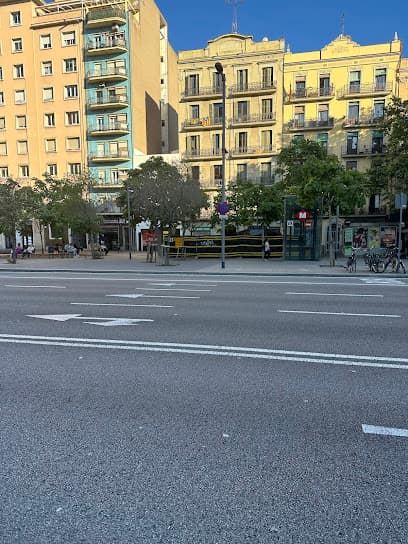
A humble plaque marking the spot where the CNT redefined the labor struggle in 1918. No gift shops here, just the ghosts of the 'Rose of Fire' and the grit of Sants.
0.0(0)
Memorial park

ATTRACTION
City Bus Tour Stop Plaça Pius XII
Les Corts
A sun-baked slab of pavement on the Diagonal where the double-deckers pause to vent exhaust and drop off pilgrims heading for the altar of FC Barcelona.
0.0(0)
Tourist attraction
ATTRACTION
Jardins de la Font dels Ocellets
Les Corts
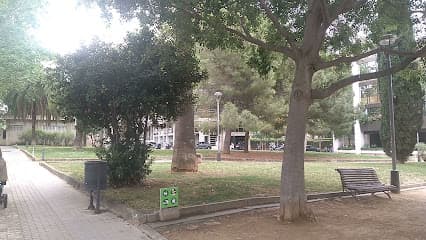
A quiet, unpretentious slice of Les Corts where the only thing louder than the fountain is the sound of locals actually living their lives away from the Gaudí-obsessed crowds.
0.0(0)
Garden
Frequently Asked Questions
Is the Gardens of the Melina Tower worth visiting?
Yes, if you appreciate 19th-century landscape architecture and want a quiet escape from the city crowds. It's one of the most peaceful and historically significant green spaces in Les Corts.
Do I need to be a hotel guest to visit the gardens?
While the gardens are part of the Gran Meliá Torre Melina hotel grounds, they are generally accessible to visitors who are respectful of the property. It's a common spot for locals and architecture enthusiasts to explore.
How do I get to the Gardens of the Melina Tower?
Take the Metro Line 3 (Green) to the Zona Universitària station. From there, it's about a 5-10 minute walk down Avinguda Diagonal to the hotel entrance.
What is the best time to visit?
Spring and early summer are ideal when the vegetation is at its lushest and the flowers are in bloom. Late afternoon provides the best light for photography through the ancient trees.
Reviews
0 reviews for Gardens of the Melina Tower
No reviews yet. Be the first to share your experience!