4.6
769 verified reviews
About
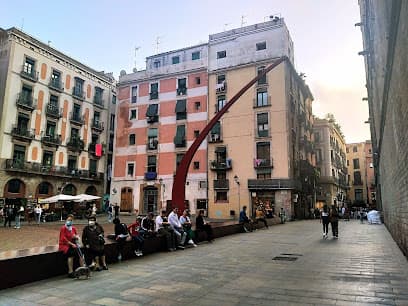
You’re walking through El Born, dodging tourists clutching overpriced gelato and influencers posing against medieval stone walls, and then you hit it: a void. A plaza paved in red brick that feels different from the rest of the neighborhood. This isn't just another square for drinking gin and tonics. This is the Fossar de les Moreres, and if you want to understand the chip on the shoulder of every proud Catalan, you start right here.
In 1714, this wasn't a scenic plaza. It was a pit. The War of the Spanish Succession was ending, and Barcelona was the last holdout against the Bourbon forces of Philip V. It was a brutal, starving, desperate siege that ended in a bloodbath. When the city finally fell on September 11th, the defenders—the local tradesmen, the shoemakers, the regular people who took up arms—were tossed into this mass grave, the former cemetery of the neighboring Santa Maria del Mar. They didn't get individual headstones. They got a pile of dirt and a legacy of defiance.
The first thing you’ll notice is the eternal flame, the 'peveter,' perched atop a curved steel arm. It’s not some grand, over-the-top monument. It’s minimalist, flickering against the backdrop of the church’s soot-stained buttresses. It represents a fire that hasn't gone out for three centuries. The red bricks under your feet aren't just a design choice; they are a visceral reminder of the blood that soaked this ground. It’s one of the most important historical sites in Barcelona, not because it’s beautiful in a conventional sense, but because it’s honest about the cost of losing.
On the wall, there’s a poem by Frederic Soler, known as Pitarra. It’s the kind of verse that makes you stand a little straighter. It translates roughly to: 'In the cemetery of the mulberry trees, no traitor is buried; even if our flags are lost, it is the urn of honor.' That’s the vibe here. It’s a place of 'honor,' a word that feels heavy and archaic until you’re standing over the bones of several thousand people who died for a cause that was already lost.
Most people walk right past it on their way to the Picasso Museum or a tapas bar in El Born, and that’s a shame. To really feel the weight of the place, you need to come when the sun starts to dip and the shadows of the Gothic Quarter grow long. The noise of the city seems to muffle here. You’ll see locals stop for a second, maybe not even a full minute, just a nod of recognition to the ancestors before moving on with their day. It’s a living memorial, especially on September 11th—the Diada—when the square becomes the epicenter of Catalan identity, draped in Estelada flags and filled with people who haven't forgotten a single thing that happened in 1714.
Is it a 'tourist attraction'? Technically, yes. But treat it with some respect. Don't be the person shouting into a cell phone or eating a sandwich on the edge of the memorial. It’s a graveyard, after all. It’s a place to contemplate the fact that history isn't just something in books; it’s under your boots. It’s the story of a city that was broken but refused to stay down. If you’re looking for things to do in El Born that actually mean something, spend fifteen minutes here. Look at the flame, read the poem, and feel the heat of a three-hundred-year-old fire.
Type
Historical landmark, Tourist attraction
Duration
15-30 minutes
Best Time
At dusk or night when the eternal flame is most visible and the crowds in El Born have thinned.
What People Say
1714(16)square(16)war of the spanish succession(10)september 11th(9)cemetery(7)memory(6)symbol(5)censer(4)
Features
Historical landmark
Tourist attraction
Categories
War MemorialCatalan HistoryPublic Square
Ticket Prices
Free Admission
No tickets required
Opening Hours
- MondayOpen 24 hours
- TuesdayOpen 24 hours
- WednesdayOpen 24 hours
- ThursdayOpen 24 hours
- FridayOpen 24 hours
- SaturdayOpen 24 hours
- SundayOpen 24 hours
Must-See Highlights
The Eternal Flame (Peveter) atop its curved steel pedestal
The memorial poem by Frederic Soler (Pitarra) on the wall
The red brickwork that marks the boundaries of the original cemetery
Visitor Tips
Keep your voice down; it's a memorial over a mass grave.
Look up at the back of Santa Maria del Mar to see the contrast between the medieval church and the modern memorial.
Visit on September 11th (Diada) to witness the intense political and cultural significance of the site.
Good For
History buffsSolo travelersBudget travelersCulture seekers
Why Visit
The Eternal Flame (Peveter) that burns 24/7 in memory of the 1714 defenders
The red-brick paving symbolizing the blood spilled during the Siege of Barcelona
The iconic 'No Traitor is Buried Here' poem inscribed on the memorial wall
Nearby Landmarks
- 1-minute walk from Basilica of Santa Maria del Mar
- 4-minute walk from Picasso Museum
- 5-minute walk from El Born Culture and Memorial Center
- 8-minute walk from Parc de la Ciutadella
Accessibility
- Flat, paved square accessible to wheelchairs and strollers
Location
Plaça del Fossar de les Moreres
Ciutat Vella, Barcelona
Nearby Hotels
Nearby Restaurants
In Ciutat Vella
ATTRACTION
Park
Ciutat Vella
A thousand years of silence tucked behind a Romanesque monastery, where the grit of El Raval dissolves into ancient stone, cool shadows, and the heavy weight of history.
0.0(0)
Park
ATTRACTION
BARSHELONA
Ciutat Vella
Forget the plastic bulls and tacky magnets. This is where Barcelona’s soul is bottled into art, a small sanctuary of local design hidden in the shadows of the Gothic Quarter.
0.0(0)
Tourist attraction
ATTRACTION
Minajoe art
Ciutat Vella
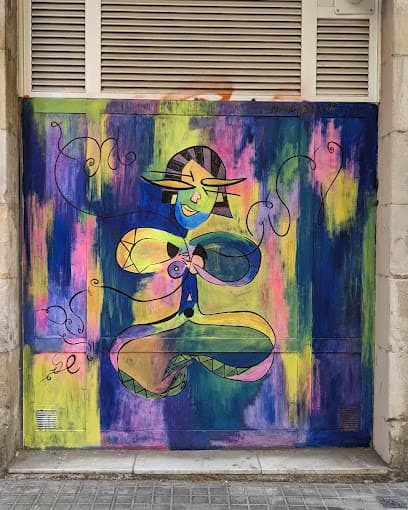
A raw, paint-splattered antidote to the sterile museum circuit. This is where pop-art meets the grit of the street, served straight from the artist’s hands in the heart of old Barcelona.
0.0(0)
Tourist attraction
Frequently Asked Questions
Is Fossar de les Moreres worth visiting?
Yes, if you care about the soul of the city. It’s a somber, powerful memorial to the 1714 Siege of Barcelona and offers a deep look into Catalan identity that you won't find in a museum.
What happened at Fossar de les Moreres in 1714?
It served as a mass grave for the defenders of Barcelona who died during the final days of the War of the Spanish Succession. It is now a sacred site of remembrance for those who fell defending the city's liberties.
Do I need tickets for Fossar de les Moreres?
No, it is a public square and memorial site. You can visit it for free at any time of day or night.
Where is Fossar de les Moreres located?
It is located in the El Born neighborhood (Ciutat Vella), immediately adjacent to the Basilica of Santa Maria del Mar.
Reviews
0 reviews for Fossar de les Moreres
No reviews yet. Be the first to share your experience!