4.4
30 verified reviews
About
La Rambla is a meat grinder. It’s a sensory assault of bad decisions, overpriced gelato, and human traffic that moves with the grace of a panicked herd. Most people charging down this boulevard are looking for a souvenir shop or a bathroom, completely oblivious to the fact that they are walking over a masterpiece and standing next to a ghost. Right there, at the intersection of Carrer de l'Hospital and the main drag, sits the Font Pla de la Boqueria. It’s not flashy. It doesn’t dance to lights or play Vivaldi. It’s a neoclassical wall fountain built in 1830, and it has seen more history than most of the people taking selfies in front of it could ever imagine.
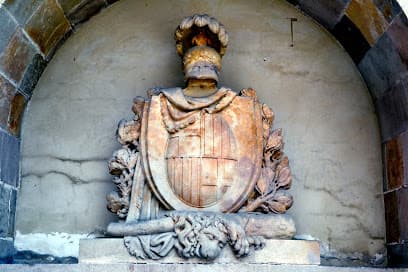
To understand this fountain, you have to understand what this spot used to be. Long before the cruise ships vomited thousands of tourists into the city, this was the Portal de la Boqueria—one of the main gates in the medieval walls of Barcelona. This was the edge of the world for many. The fountain was installed just as the city was beginning to outgrow its stone corset, a functional piece of civic pride designed by Josep Mas i Vila, the same guy who did the facade of the City Hall. It’s built of stone, topped with the coat of arms of Barcelona, and features iron spouts that have been quenching the thirst of locals, merchants, and the occasional stray dog for nearly two centuries.
Look at the stone. It’s worn, smoothed by time and the countless hands that have leaned against it while waiting for a friend or dodging a pickpocket. It’s a survivor. It survived the demolition of the city walls, the Civil War, and the slow, agonizing transformation of the neighborhood into a tourist theme park. While the rest of the street has been sold off to the highest bidder, the fountain remains public, indifferent, and stubbornly useful. It’s a reminder that Barcelona was a living, breathing city with infrastructure and needs long before it became a 'destination.'
If you’re standing here, you’re also standing on the Joan Miró mosaic—the famous circular 'Pla de l'Os.' Most people are so busy looking at the entrance to the Boqueria Market that they don't realize they are literally trampling on a Miró. The fountain is the vertical anchor to that horizontal explosion of color. It’s the quiet, gray grandfather watching the colorful, chaotic grandson. The water is potable, by the way. It’s the same city water that runs through the pipes of the fancy hotels nearby, but there’s something different about drinking it from an iron spout that was forged when the city still smelled of horses and woodsmoke.
The atmosphere here is pure Ciutat Vella. You’ve got the smell of the fish market wafting from the Boqueria, the sound of street performers banging on plastic buckets, and the constant hum of twenty different languages being spoken at once. It’s loud, it’s crowded, and it’s occasionally a bit grimey. But that’s the point. The Font Pla de la Boqueria isn't a museum piece behind velvet ropes; it’s part of the street. It’s a place to wash your hands after peeling a shrimp at a market stall or to splash your face when the Mediterranean humidity starts to feel like a wet wool blanket.
Is it worth a special trip? Probably not if you’re looking for some grand, neon-lit spectacle. But if you give a damn about the layers of a city—the things that remain when the trends fade—then stop here. Lean against the stone. Watch the chaos of the Rambla swirl around you. It’s one of the few places in this part of town where you can feel the weight of the 19th century pressing back against the frantic energy of the 21st. It’s honest, it’s free, and it’s still standing. In a city that’s changing as fast as Barcelona, that’s worth a hell of a lot more than a cheap magnet.
Type
Tourist attraction
Duration
5-10 minutes
Best Time
Early morning before the Rambla crowds peak, or late evening when the stone is lit up.
What People Say
1830(2)
Features
Tourist attraction
Categories
HistoryArchitecturePublic Art
Ticket Prices
Free Admission
No tickets required
Opening Hours
- MondayOpen 24 hours
- TuesdayOpen 24 hours
- WednesdayOpen 24 hours
- ThursdayOpen 24 hours
- FridayOpen 24 hours
- SaturdayOpen 24 hours
- SundayOpen 24 hours
Must-See Highlights
The Barcelona coat of arms at the top
The 1830 inscription
The iron spouts
The Joan Miró mosaic on the ground right in front of it
Visitor Tips
Don't just look at the fountain; look down at the Miró mosaic you're standing on.
Use it to refill your water bottle and save €3 on bottled water nearby.
Keep a close eye on your belongings; this is a prime spot for pickpockets due to the crowds.
Good For
History buffsBudget travelersArchitecture loversQuick photo stops
Why Visit
1830 Neoclassical survivor of the old city gate
Located directly on the iconic Joan Miró mosaic
Functional public monument providing free potable water
Nearby Landmarks
- 1-minute walk from Mercat de la Boqueria
- 0-minute walk from Joan Miró Mosaic (Pla de l'Os)
- 2-minute walk from Gran Teatre del Liceu
- 5-minute walk from Plaça Reial
Accessibility
- Street level access
- Located on a flat pedestrian boulevard
Location
Pla de la Boqueria, 3
Ciutat Vella, Barcelona
Nearby Hotels
Nearby Restaurants
In Ciutat Vella
ATTRACTION
Park
Ciutat Vella
A thousand years of silence tucked behind a Romanesque monastery, where the grit of El Raval dissolves into ancient stone, cool shadows, and the heavy weight of history.
0.0(0)
Park
ATTRACTION
BARSHELONA
Ciutat Vella
Forget the plastic bulls and tacky magnets. This is where Barcelona’s soul is bottled into art, a small sanctuary of local design hidden in the shadows of the Gothic Quarter.
0.0(0)
Tourist attraction
ATTRACTION
Minajoe art
Ciutat Vella
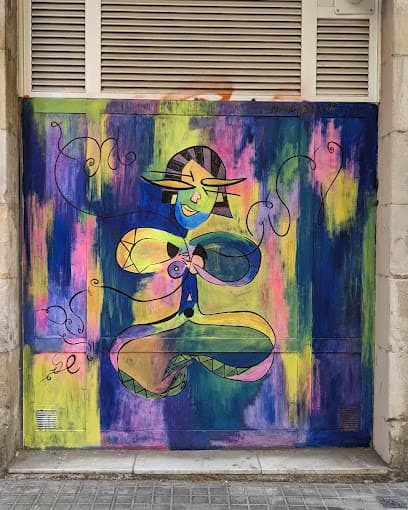
A raw, paint-splattered antidote to the sterile museum circuit. This is where pop-art meets the grit of the street, served straight from the artist’s hands in the heart of old Barcelona.
0.0(0)
Tourist attraction
Frequently Asked Questions
Is the water from Font Pla de la Boqueria safe to drink?
Yes, the water is potable city water. It is safe to drink and is frequently used by locals and travelers to refill water bottles or cool down.
Where exactly is the fountain located?
It is located on the wall of a building at Pla de la Boqueria, 3, right where Carrer de l'Hospital meets La Rambla, directly adjacent to the Joan Miró mosaic.
Is Font Pla de la Boqueria worth visiting?
It's worth a quick stop if you are already on La Rambla or visiting the Boqueria Market. It offers a quiet moment of 19th-century history amidst the modern tourist chaos.
How much does it cost to see the fountain?
It is a public fountain on a city street, so it is completely free to visit at any time of day.
Reviews
0 reviews for Font Pla de la Boqueria
No reviews yet. Be the first to share your experience!