3.8
5 verified reviews
About
The L4 metro line is a long, rattling journey away from the selfie sticks and the curated 'authenticity' of the Gothic Quarter. You get off at Llucmajor, and suddenly, the air feels different. It’s thinner, maybe, or just less saturated with the smell of overpriced frozen paella and desperation. This is Nou Barris. It’s a place of steep hills, laundry hanging from balconies like prayer flags, and the Font monumental Pi i Molist. It’s a strange, beautiful piece of masonry sitting in a part of town that most visitors couldn't find with a GPS and a Sherpa. It doesn't care if you show up, and that’s exactly why it’s worth the trip.
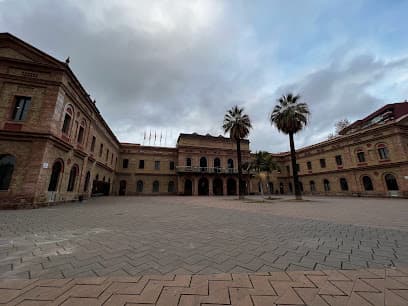
Let’s talk about the man behind the stone: Josep Vilaseca i Casanovas. If that name rings a bell, it’s because he’s the guy who gave Barcelona the Arc de Triomf. But while the Arc gets all the glory and the endless stream of influencers, this fountain sits here in relative obscurity. Built in 1889, it’s a masterclass in neo-Mudejar style—all intricate brickwork and geometric patterns that look like they belong in a Moorish palace rather than a working-class neighborhood. It wasn't built for the elite; it was originally the centerpiece of the gardens for the Mental Hospital of Santa Creu. Think about that for a second. While the 'sane' world was busy building monuments to industry and ego, Vilaseca was building a monument to beauty for the people the world wanted to forget.
The fountain is dedicated to Emili Pi i Molist, a doctor who actually gave a damn about psychiatric care when most of the medical establishment thought the solution was chains and dark rooms. There’s a certain heavy irony in seeing this grand, tiered structure today. It’s a bit weathered, a bit tired, much like the neighborhood itself. It doesn't always have water running—Barcelona’s recurring droughts and municipal budget priorities being what they are—but the stone still speaks. It’s a reminder that even in the periphery, even in the 'forgotten' districts, there was a desire for grandeur and a respect for the human spirit.
Standing here, you won't find a gift shop. You won't find a guy dressed as a gladiator offering to take a blurry photo for five euros. What you will find are local grandmothers pushing strollers, teenagers skating on the nearby pavement, and the occasional pigeon trying to find a drink in the basin. It’s honest. It’s the kind of place where you can sit on a bench and actually hear yourself think, which is a rare commodity in a city that often feels like a theme park. The surrounding Parc de la Guineueta offers some green relief, but the fountain is the anchor, the heavy weight of history holding the square in place.
Is it 'worth it'? That depends entirely on what you’re looking for. If you want the greatest hits, stay in Eixample and wait in line for a Gaudí house. But if you want to see the layers of the city—the parts where the history is caked in dust and the architecture serves as a backdrop to real, unvarnished life—then yeah, take the ride. It’s a quiet, dignified middle finger to the idea that only the center of the city matters. It’s a piece of high art in a low-rent district, and there’s something deeply moving about that contrast.
Just don't expect a spectacle. It’s a fountain. It’s old. It’s made of brick. But it’s also a connection to a Barcelona that was trying to figure itself out, a city that cared about its 'madmen' enough to give them a garden with a masterpiece at its heart. In a world of plastic, pre-packaged experiences, the Font monumental Pi i Molist is the real deal—even if it’s a little bit broken around the edges.
Type
Garden
Duration
30-45 minutes
Best Time
Late afternoon when the sun highlights the intricate brickwork and the neighborhood comes alive with locals.
Features
Garden
Categories
ArchitectureHistoryPublic ArtGarden
Ticket Prices
Free Admission
No tickets required
Opening Hours
- MondayOpen 24 hours
- TuesdayOpen 24 hours
- WednesdayOpen 24 hours
- ThursdayOpen 24 hours
- FridayOpen 24 hours
- SaturdayOpen 24 hours
- SundayOpen 24 hours
Must-See Highlights
The intricate neo-Mudejar brick patterns
The central column and tiered basins
The nearby Seu del Districte, which occupies part of the former asylum
Visitor Tips
Combine this with a visit to La Esquinica for some of the best tapas in the city.
Don't expect the fountain to always be running water due to local conservation efforts.
Walk into the nearby Parc de la Guineueta for a more traditional park experience.
Good For
Architecture loversHistory buffsOff-the-beaten-path explorersBudget travelers
Why Visit
Designed by Josep Vilaseca, the same architect who created Barcelona's Arc de Triomf
One of the few remaining relics of the historic Mental Hospital of Santa Creu
A rare example of neo-Mudejar monumental architecture in a residential district
Nearby Landmarks
- Parc de la Guineueta (2-minute walk)
- Seu del Districte de Nou Barris (3-minute walk)
- Parc de Can Dragó (15-minute walk)
Accessibility
- Outdoor public space
- Flat paved surfaces surrounding the fountain
- Accessible via public transport (Metro L4)
Location
Carrer del Doctor Pi i Molist, 143
Nou Barris, Barcelona
Nearby Hotels
Nearby Restaurants
In Nou Barris
ATTRACTION
Plaça Verda de la Prosperitat
Nou Barris
A concrete-and-chlorophyll middle finger to urban neglect, where Nou Barris locals reclaim their right to breathe, drink, and exist far from the suffocating Sagrada Familia crowds.
0.0(0)
Garden
ATTRACTION
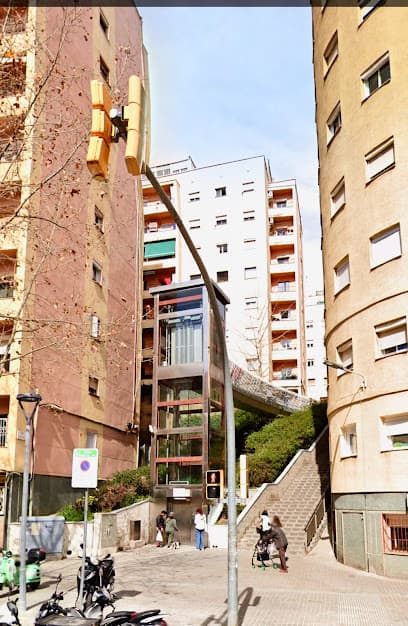
Ascensor Canfranc - Paseo de Fabra y Puig 08031 Nou Barris
Nou Barris
A glass-and-steel lifeline in Nou Barris that saves your knees and offers a gritty, honest view of the Barcelona tourists usually ignore. No gift shops, just gravity-defying utility.
0.0(0)
Hiking area
ATTRACTION
Carrer pimoli42
Nou Barris
The anti-tourist Barcelona. A gritty, honest stretch of Nou Barris where the Gaudí magnets disappear and the real city begins over cheap beer and the smell of rotisserie chicken.
0.0(0)
Tourist attraction
Frequently Asked Questions
Is Font monumental Pi i Molist worth visiting?
Only if you are an architecture enthusiast or want to see a side of Barcelona far removed from the tourist crowds. It is a beautiful neo-Mudejar structure with deep historical roots, but it is located in a residential neighborhood with few other major attractions.
How do I get to the Pi i Molist fountain?
Take the Metro Line 4 (Yellow Line) to the Llucmajor station. From there, it is about a 10-minute walk up Carrer del Doctor Pi i Molist toward the Parc de la Guineueta.
What is the history of the fountain?
Designed by Josep Vilaseca (architect of the Arc de Triomf) in 1889, it was originally part of the gardens of the Mental Hospital of Santa Creu. It is dedicated to Dr. Emili Pi i Molist, a pioneer in Spanish psychiatry.
Is there an entrance fee?
No, the fountain is located in a public space and is free to view at any time.
Reviews
0 reviews for Font monumental Pi i Molist
No reviews yet. Be the first to share your experience!