4.7
12 verified reviews
About
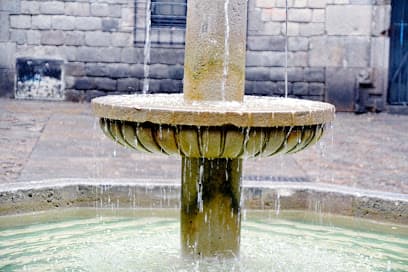
The Gothic Quarter is, for the most part, a loud, claustrophobic theater of the absurd. It is a place of overpriced gelato, selfie sticks, and the relentless, rhythmic thrum of thousands of feet shuffling toward the Cathedral. But if you duck down the right narrow alleyway—the kind that looks like it leads to a dead end or a mugging—you might stumble into Plaça de Sant Felip Neri. And there, in the center of this hollowed-out sanctuary, sits the Font Monumental.
It isn’t much to look at if you’re expecting the Bellagio. It’s an octagonal stone basin, simple and unpretentious, designed by Joaquim de Ros i de Ramis in 1962. It replaced an earlier, more ornate fountain that didn’t survive the neighborhood’s brutal history. The water trickles from a central pillar, a steady, rhythmic sound that serves as the only soundtrack to one of the most emotionally heavy spots in the city. This isn't one of those 'best tapas Barcelona' stops; this is where you go to feel the weight of what this city has endured.
Look at the walls surrounding the fountain. They are pockmarked, chewed up, and jagged. For years, the official story—the one the Franco regime wanted you to believe—was that these were the marks of an anarchist firing squad. It was a lie. On January 30, 1938, during the Spanish Civil War, Mussolini’s air force, flying for Franco, dropped bombs on this square. Forty-two people died, most of them children who had sought refuge in the basement of the church. The Font Monumental stands in the center of that memory. It is a quiet witness to a morning when the sky fell in.
Today, the square is a strange, beautiful paradox. There is a school right there, and during recess, the air is filled with the screams and laughter of kids playing tag, their voices echoing off the same stones that were once shattered by shrapnel. It’s visceral. It’s the kind of place that makes you want to sit on the edge of the fountain, shut up, and just listen. The water hits the basin, the kids scream, and the ghosts of 1938 linger in the shadows of the doorways. It is, without question, one of the most sobering things to do in Ciutat Vella.
Is it a tourist attraction? Technically, yes. You’ll see the occasional tour group wander in, their guide whispering about the bombing before they move on to the next photo op. But the square has a way of swallowing noise. It remains one of the best quiet spots in Barcelona, provided you don’t arrive at the exact moment a school bell rings. The fountain itself is the anchor. It’s not trying to impress you. It’s just there, providing a cool mist and a place to rest in a city that often feels like it’s forgotten how to be still.
If you need a break from the madness of La Rambla, this is your spot. Don't come here to tick a box on a list. Come here when the sun is hitting the tops of the buildings and the square is in deep, cool shadow. Sit on the stone ledge of the Font Monumental. Feel the cold water on your hands. Look at the scars on the church walls. This is the real Barcelona—the one that bled, the one that survived, and the one that still finds a way to let children play in the ruins of its own tragedies. It’s honest, it’s brutal, and it’s absolutely essential.
Type
Tourist attraction
Duration
15-30 minutes
Best Time
Early morning before 9:00 AM or late evening after 8:00 PM for maximum tranquility.
Features
Tourist attraction
Categories
HistoryArchitectureCivil War SitePublic Square
Ticket Prices
Free Admission
No tickets required
Opening Hours
- MondayOpen 24 hours
- TuesdayOpen 24 hours
- WednesdayOpen 24 hours
- ThursdayOpen 24 hours
- FridayOpen 24 hours
- SaturdayOpen 24 hours
- SundayOpen 24 hours
Must-See Highlights
Shrapnel scars on the Church of Sant Felip Neri
The octagonal stone basin of the 1962 fountain
The quiet contrast of the adjacent school playground
Visitor Tips
Respect the silence; it is a site of mourning for many locals.
Avoid visiting during school recess hours (around 11:00 AM) if you want peace.
Look closely at the church walls to see the actual shrapnel damage from 1938.
Good For
History buffsSolo travelersPhotographyQuiet reflection
Why Visit
Located in Barcelona's most historically heavy and quiet square
Surrounded by visible shrapnel scars from the 1938 Civil War bombing
A rare sanctuary of silence just steps away from the crowded Cathedral
Nearby Landmarks
- 2-minute walk from Barcelona Cathedral
- 3-minute walk from Plaça de la Seu
- 4-minute walk from MUHBA (Museum of History of Barcelona)
- 5-minute walk from Plaça de Sant Jaume
Accessibility
- Outdoor public square
- Flat stone paving
- Wheelchair accessible via narrow streets
Location
Plaça de Sant Felip Neri, 2
Ciutat Vella, Barcelona
Nearby Hotels
Nearby Restaurants
In Ciutat Vella
ATTRACTION
Park
Ciutat Vella
A thousand years of silence tucked behind a Romanesque monastery, where the grit of El Raval dissolves into ancient stone, cool shadows, and the heavy weight of history.
0.0(0)
Park
ATTRACTION
BARSHELONA
Ciutat Vella
Forget the plastic bulls and tacky magnets. This is where Barcelona’s soul is bottled into art, a small sanctuary of local design hidden in the shadows of the Gothic Quarter.
0.0(0)
Tourist attraction
ATTRACTION
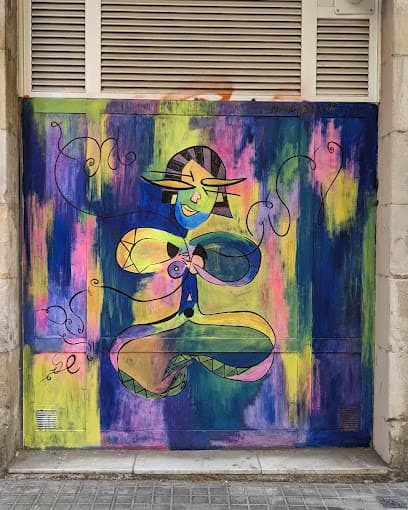
Minajoe art
Ciutat Vella
A raw, paint-splattered antidote to the sterile museum circuit. This is where pop-art meets the grit of the street, served straight from the artist’s hands in the heart of old Barcelona.
0.0(0)
Tourist attraction
Frequently Asked Questions
Is Font Monumental worth visiting?
Yes, but not for the fountain itself. It is worth visiting for the heavy, haunting stillness and tragic history of Plaça de Sant Felip Neri, which remains one of the most moving spots in the Gothic Quarter.
What happened at Plaça de Sant Felip Neri?
On January 30, 1938, the square was bombed by pro-Franco Italian forces during the Spanish Civil War, killing 42 people, mostly children. The shrapnel scars are still visible on the church walls today.
How do I get to Font Monumental?
It is tucked away in the Gothic Quarter, a 2-minute walk from the Barcelona Cathedral. Follow the narrow Carrer de Sant Felip Neri from the Plaça de la Seu.
When is the best time to visit?
Early morning or late evening is best to avoid the small tour groups and school recess periods, allowing you to experience the way the square seems to swallow the city's roar.
Reviews
0 reviews for Font Monumental
No reviews yet. Be the first to share your experience!