4.4
5,812 verified reviews
About
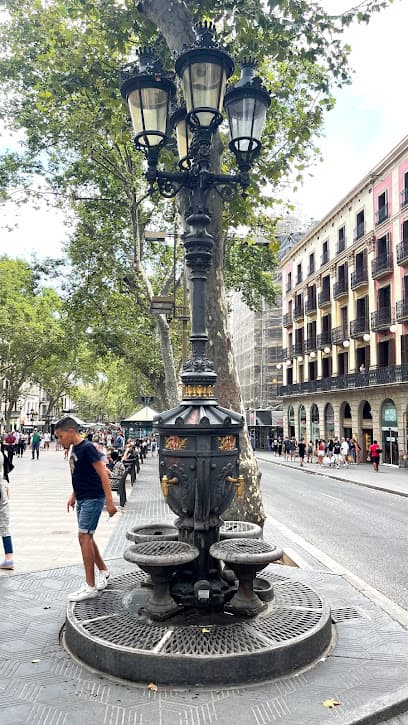
La Rambla is, for the most part, a gauntlet of human misery. It is a churning river of selfie sticks, overpriced frozen paella, and people who look like they’ve lost their souls somewhere between a souvenir shop and a human statue. It’s the kind of place that makes you want to retreat to a dark room with a bottle of vermouth. But at the very top, near Plaça de Catalunya, stands a modest, four-spouted iron fountain that manages to be more than just a piece of street furniture. This is the Font de Canaletes, and if you want to understand the heartbeat of Barcelona—the real one, not the one sold on postcards—you start here.
The legend is simple, the kind of romantic trap that travel writers love to peddle: drink from this fountain and you are destined to return to Barcelona. It’s a cheap trick, a bit of municipal magic, but you’ll see them anyway—the wide-eyed backpackers and the weary retirees, leaning over the iron basins to take a gulp of water that tastes faintly of old pipes and city history. Is it the best water you’ll ever have? No. It’s tap water. But in a city that’s changing faster than a TikTok trend, there’s something grounding about a ritual that hasn’t changed since the late 19th century.
But the real soul of Canaletes isn’t in the water; it’s in the ghosts of the people who gathered here long before the internet made everyone an expert on everything. This spot is the spiritual ground zero for FC Barcelona. Why here? Because back in the day, the offices of the newspaper 'La Rambla' were located right at number 133. In an era before smartphones and instant notifications, the only way to know if Barça had won an away game was to stand right here and wait for the journalists to scribble the final score on a chalkboard outside the window. When the score was good, the street erupted. That tradition stuck. When the Blaugrana win a trophy today, this is where the 'Culés' descend in a sea of blue and red, lighting flares and singing until their lungs give out. It’s loud, it’s messy, and it’s beautiful.
The fountain itself is a 19th-century design by Pere Falqués, topped with the city’s coat of arms and four lamps that cast a dim, yellow glow over the evening crowds. It’s not grand like the fountains in Rome or Paris. It’s functional. It’s sturdy. It’s Catalan. It sits there while the world rushes past, indifferent to the pickpockets eyeing wallets and the pigeons looking for a handout.
If you’re going to do it, do it right. Don’t just snap a photo and move on. Stand there for ten minutes. Watch the old men who still meet here to argue about politics or the latest midfield signing. Feel the cool iron under your hand. Ignore the noise of the tour groups for a second and listen to the water hitting the basin. It’s a small, quiet moment in the loudest part of the city.
Is it a tourist trap? Technically, yes. It’s on every map. But it’s also one of the few places on La Rambla that still belongs to the locals, even if they only reclaim it during a title celebration. It’s a reminder that beneath the layers of commercialized gloss, there is a city with a memory. Drink the water if you must. If the myth holds true, you’ll be back. And honestly, despite the crowds and the chaos, you probably will be. Barcelona has a way of getting under your skin, and Canaletes is the needle.
Type
Fountain, Tourist attraction
What People Say
fc barcelona(193)baby(82)emblem(67)drink(43)myth(26)meeting(22)principle(18)public lighting(17)
Features
Fountain
Tourist attraction
Categories
HistoryFootballTraditionPublic Art
Opening Hours
- MondayOpen 24 hours
- TuesdayOpen 24 hours
- WednesdayOpen 24 hours
- ThursdayOpen 24 hours
- FridayOpen 24 hours
- SaturdayOpen 24 hours
- SundayOpen 24 hours
Accessibility
- Fully accessible via public sidewalk
- Located on a flat pedestrian area
Location
La Rambla, 133
Ciutat Vella, Barcelona
Nearby
ATTRACTION
Estatuas y Esculturas
50 m · Ciutat Vella
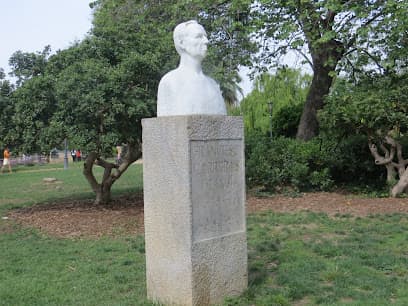
The last stand of Barcelona’s street performers, where stillness is a hustle and a handful of cents buys you a momentary break from the Rambla’s relentless, pickpocket-heavy chaos.
5.0(2)
Tourist attraction
ATTRACTION
Rambla de Canaletes
50 m · Ciutat Vella
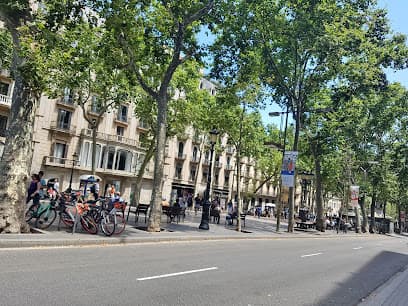
Drink from the iron fountain and you’re cursed to return to this beautiful, chaotic mess. It’s the gateway to the Ramblas, where Barça fans celebrate and pickpockets work the crowd.
4.6(32)
Tourist attraction

RESTAURANT
Pasta Madre
50 m · Ciutat Vella
A flour-dusted sanctuary on Carrer dels Tallers where sourdough pizza and molten panzerotti offer a middle finger to the tourist traps of nearby La Rambla.
4.3(2K)
Italian restaurant

RESTAURANT
Xera Restaurant
€€€100 m · Ciutat Vella
Tucked into a Raval side street, Xera is the antidote to Rambla tourist traps, serving up hyper-refined tapas like melt-in-your-mouth pork cheek and razor-sharp sea bass ceviche.
4.8(653)
RestaurantCatalonian restaurant
HOTEL
Yurbban Ramblas Boutique Hotel
€€50 m · Ciutat Vella
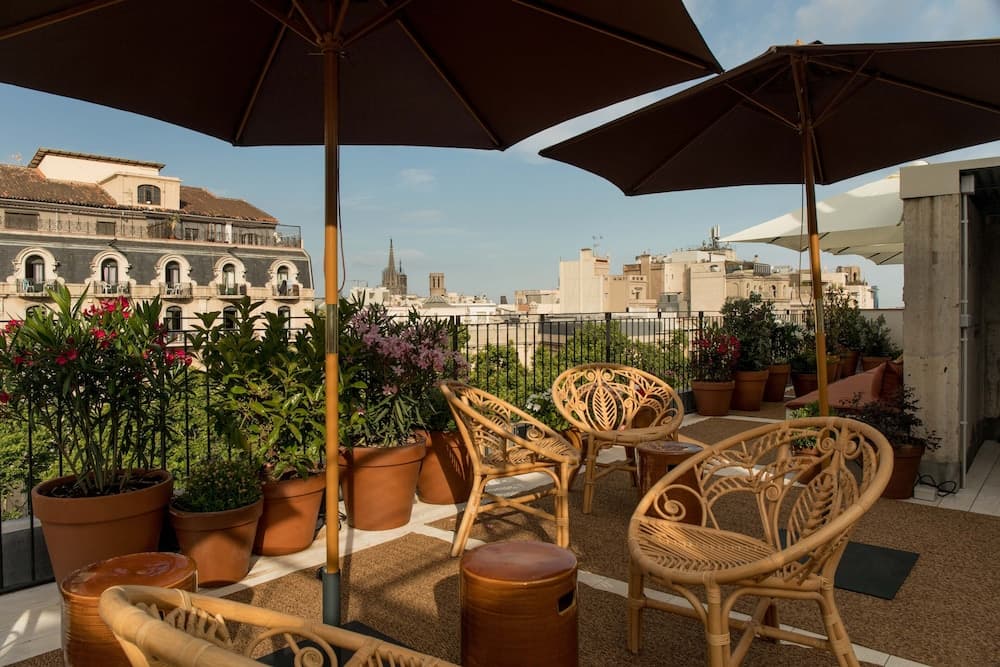
A sleek, unapologetic sanctuary perched right on the chaotic spine of La Rambla, where the wine flows free at sunset and the city’s madness stays strictly outside the door.
4.8(321)
Hotel
HOTEL
Hotel Lloret Ramblas Barcelona
€50 m · Ciutat Vella
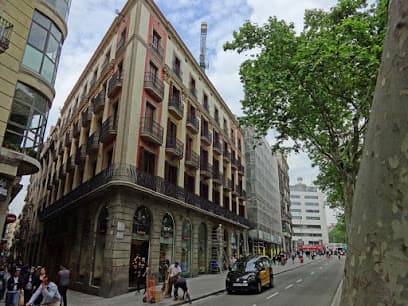
A front-row seat to the beautiful, chaotic madness of La Rambla. This 19th-century survivor offers unvarnished history and the best people-watching perch in the city.
4.1(1K)
Hotel
Frequently Asked Questions
Is the water at Font de Canaletes safe to drink?
Yes, the water is potable city water and perfectly safe to drink. According to local legend, drinking it ensures you will return to Barcelona one day.
Why do FC Barcelona fans celebrate at this fountain?
Historically, the newspaper 'La Rambla' was located here and would post match results on a chalkboard outside. Fans gathered to get the news, and the tradition of celebrating wins at this spot has continued for decades.
Is Font de Canaletes worth visiting?
It is a quick, free stop at the top of La Rambla. While it's just a small fountain, its historical significance to the city and football fans makes it a meaningful landmark for a 5-minute visit.
How do I get to Font de Canaletes?
The fountain is located at the northern end of La Rambla, just a 2-minute walk from Plaça de Catalunya. The nearest Metro station is Catalunya (L1, L3).
Reviews
0 reviews for Font de Canaletes
No reviews yet. Be the first to share your experience!