4.5
2 verified reviews
About
August in Barcelona is a special kind of humid hell. The sun beats down on the pavement until the city breathes back a thick, salty heat that makes you want to crawl into a walk-in freezer and stay there until October. Most tourists are down at the Barceloneta, turning lobster-red and overpaying for frozen paella. But if you have any sense, and a high tolerance for crowds, you head uphill to Gràcia. Specifically, you find your way to Carrer del Perill during the Festa Major de Gràcia.
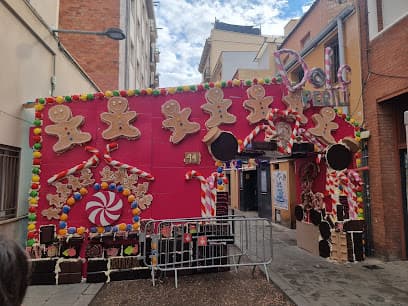
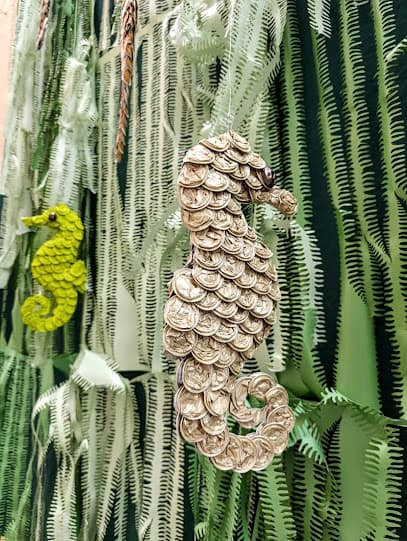
This isn't some corporate-sponsored street fair with plastic bunting and sad carnival games. This is an anarchic, neighborhood-wide explosion of creativity and sheer, stubborn will. For one week in mid-August, the residents of Gràcia reclaim their streets from the cars and the gentrifiers. Carrer del Perill—which literally translates to 'Danger Street'—is consistently one of the heavy hitters in the annual street decoration contest. We’re talking about months of labor by the 'Comissió de Festes,' a ragtag group of neighbors who spend their evenings gluing, painting, and engineering massive, immersive worlds out of recycled trash. Egg cartons become dragon scales; plastic bottles become bioluminescent jellyfish; old newspapers become the walls of a steampunk submarine.
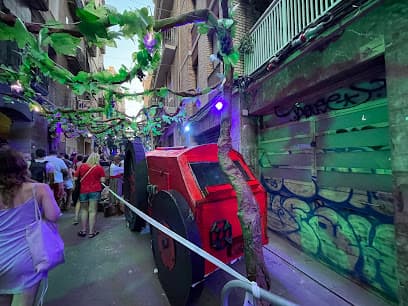
Walking down Carrer del Perill during the festival is a visceral experience. Because the street is narrow, the decorations often form a canopy overhead, blocking out the sky and trapping the sounds of the crowd. It’s loud, it’s hot, and it smells like a mix of fried dough, spilled beer, and the faint, chemical scent of spray paint. You move at a snail’s pace, shuffled along by a human tide of grandmothers in housecoats, punks with piercings, and wide-eyed kids. It is, in every sense, a beautiful, sweaty mess. One year they might turn the street into a gothic cemetery; the next, a neon-soaked futuristic wasteland. The theme changes, but the soul remains the same: a fierce, local pride that says 'this is our street, and we made this.'
By day, it’s a gallery of folk art. By night, it’s a party. Small stages are squeezed into corners where local bands blast out everything from Catalan rumba to punk rock. People sell drinks out of their ground-floor windows, and the air is thick with the smoke from communal grills. This is the best tapas Barcelona has to offer—not because it’s fancy, but because it’s honest. A paper plate of botifarra (Catalan sausage) and a plastic cup of cold vermouth eaten while standing under a giant papier-mâché monster is a meal you’ll remember long after the Michelin-starred dinners have faded from memory.
Is it worth it? If you hate crowds, absolutely not. If you’re looking for a quiet, curated 'cultural experience,' stay in the Eixample. But if you want to see the heart of a neighborhood that refuses to be homogenized, if you want to see what happens when a community decides to build something together just for the hell of it, then Carrer Perill is essential. It’s a reminder that the best things in a city aren't the ones built for tourists, but the ones the locals build for themselves. Just don't touch the decorations—the neighbors have been working on that cardboard dragon since March, and they don't take kindly to people messing with the art.
Type
Tourist attraction
Features
Tourist attraction
Categories
CultureArtStreet FoodLocal Tradition
Accessibility
- Street level access
- Extremely crowded (difficult for wheelchairs during peak hours)
- Outdoor venue
Location
Carrer del Perill
Gràcia, Barcelona
Nearby
ATTRACTION
Festa Major de Gràcia
50 m · Gràcia
A week in August where Gràcia loses its mind, turning streets into recycled-plastic dreamscapes of dragons and space stations while the gin-and-tonics flow like water.
4.1(62)
Tourist attraction
ATTRACTION
Festa Major de Gràcia - Carrer de Lluís Vives
50 m · Gràcia
A narrow Gràcia alleyway transformed by neighborhood sweat and recycled plastic into a fever dream of folk art during Barcelona’s most fiercely local and defiant street festival.
4.0(2)
Tourist attraction

RESTAURANT
Bilbao Restaurante
50 m · Gràcia
A 1954 time capsule in Gràcia where white tablecloths meet blood-rare chuletón and the kind of no-nonsense Basque-Catalan cooking that ignores every food trend of the last century.
4.4(1K)
Spanish restaurantBasque restaurant

RESTAURANT
Restaurante De tapas Paella Bar cóctel ENCERCLE
€€100 m · Eixample
A circular sanctuary of jazz, stiff drinks, and honest rice in the shadow of Gaudí’s masterpieces, where the piano keys are as sharp as the house-made bravas sauce.
4.3(643)
Tapas barCocktail bar
HOTEL
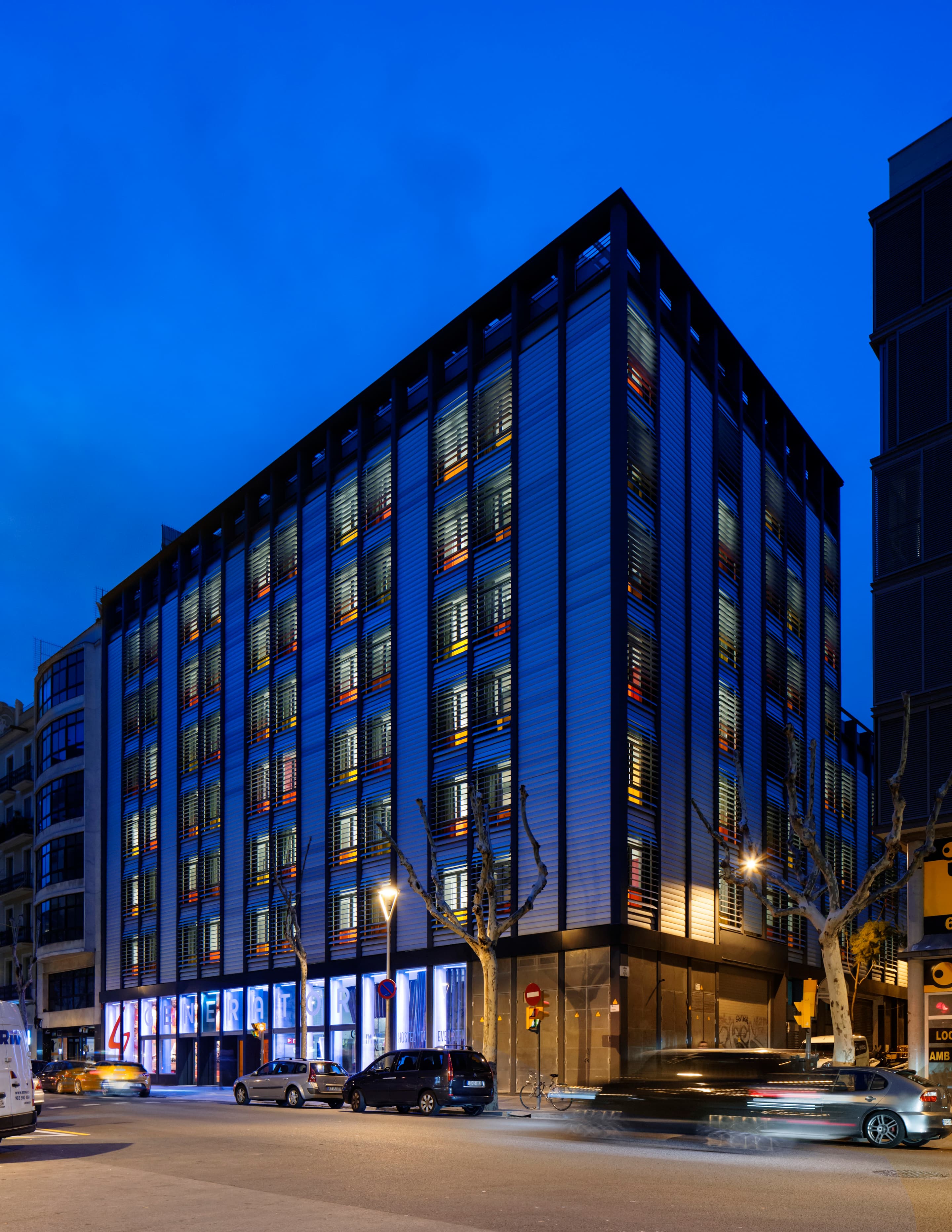
Generator Barcelona
€100 m · Gràcia
A neon-soaked hybrid of high-design hotel and social hostel, where Gràcia’s bohemian spirit meets industrial chic and a bar that actually knows how to pour a drink.
4.1(4K)
HostelBar
HOTEL
Hotel Catalonia Gracia
€150 m · Eixample
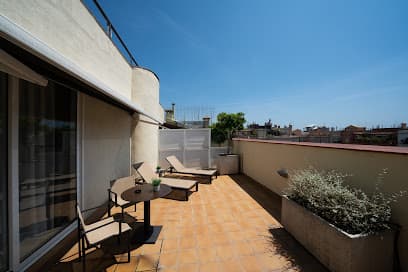
Sitting on the border where Eixample’s rigid grid meets the village soul of Gràcia, this is a clean, no-nonsense base for people who actually plan on seeing the city.
4.2(808)
Hotel
Frequently Asked Questions
Is the Festa Major de Gràcia on Carrer Perill free?
Yes, visiting the street decorations and attending the concerts is completely free, though you should bring cash for the local food and drink stalls run by the neighbors.
When is the best time to visit Carrer del Perill?
Go on the first morning of the festival (August 15th) to see the decorations at their freshest, or late at night if you want the full party atmosphere with live music.
How do I get to Carrer del Perill?
The easiest way is to take the L3 Metro (Green Line) to Fontana or the L4 (Yellow Line) to Joanic and walk about 10 minutes into the heart of Gràcia.
Is Carrer Perill suitable for children?
During the day, kids will love the imaginative decorations, but it gets extremely crowded and loud after dark, which might be overwhelming for younger children.
Reviews
0 reviews for Festa Major de Gràcia - Carrer Perill
No reviews yet. Be the first to share your experience!