4.7
19 verified reviews
About
August in Barcelona is a special kind of hell. The humidity clings to you like a wet wool blanket, and the city center is a sweltering gauntlet of cruise ship passengers and overpriced gelato. But if you head uphill to the Republic of Gràcia, you’ll find something that hasn't been sanitized for your protection. The Festa Major de Gràcia is a week-long explosion of neighborhood pride, a DIY masterpiece that proves the soul of this city hasn't been entirely sold off to the highest bidder.
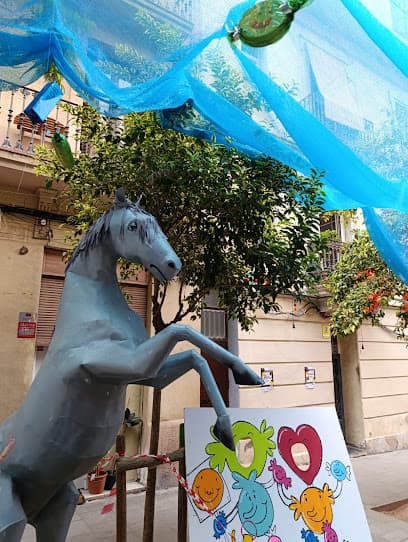
This isn't some corporate-sponsored parade with professional floats. This is the work of grandmothers, punks, and shopkeepers who spend 364 days a year hoarding egg cartons, plastic bottles, and scrap wood. They transform streets like Carrer de Joan Blanques into immersive, hallucinogenic landscapes. One year it’s a Jules Verne underwater odyssey; the next, it’s a post-apocalyptic wasteland or a scene from a Japanese folklore tale. You walk under canopies of hand-painted jellyfish and papier-mâché dragons, feeling the heat of the crowd and the smell of sizzling botifarra hitting the air. It is beautiful, it is bizarre, and it is intensely local.
If you’re looking for things to do in Barcelona in August, this is the main event. But let’s be clear: it is not for the faint of heart or the claustrophobic. By 9:00 PM, the narrow veins of Gràcia are packed tight. You will be shuffled along in a slow-moving human current, elbow-to-elbow with families, teenagers, and old men who have lived on these blocks since the days of the dictatorship. The air is thick with the sound of Catalan rock bands, the clinking of plastic cups filled with cheap beer, and the occasional roar of a 'correfoc'—the fire run where devils dance through the streets spraying sparks into the crowd. If you’re worried about your eyebrows, stay back. If you want to feel alive, get close.
Is Festa Major de Gràcia worth it? Absolutely. But you have to earn it. You have to navigate the sweat and the noise to find those quiet moments—the communal dinners where neighbors set up long tables in the middle of the street, sharing wine and stories while the rest of the world watches from behind the barricades. It’s a reminder that a neighborhood isn't just a collection of buildings or a spot on a map; it’s a pact between the people who live there. They build these decorations not for the tourists, but for each other, and for the sheer, stubborn joy of creating something out of nothing.
To see the best decorated streets in Barcelona without losing your mind, go early. Hit the streets at 10:00 AM when the sun is still low and the crowds are still nursing hangovers. You can actually see the detail in the 'guarniments'—the intricate trencadís patterns made from broken tiles or the way a thousand plastic forks have been turned into a shimmering chandelier. By midday, find a shady corner in Plaça de la Virreina, order a vermut, and watch the 'castellers' build human towers that defy gravity and common sense. It’s a spectacle of sweat, grit, and collective will. It’s Barcelona at its most honest, stripped of the PR gloss and the tourist-trap menus. It’s loud, it’s messy, and it’s perfect.
Type
Tourist attraction
Duration
3-5 hours
Best Time
Early morning (10 AM) for photos and peace; late evening (10 PM) for concerts and party atmosphere.
What People Say
tail(2)decoration(2)
Features
Tourist attraction
Categories
CultureArtLocal TraditionsSummer EventsPhotography
Ticket Prices
Free Admission
No tickets required
Must-See Highlights
The decorated stretch of Carrer de Joan Blanques
Carrer de Verdi (consistently one of the top-rated streets)
Castellers performances in Plaça de la Vila de Gràcia
The Correfoc (fire run) on the final night
Late-night concerts in the various neighborhood squares
Visitor Tips
Wear closed-toe shoes, especially if you plan to stay for the fire run (correfoc).
Buy your drinks from the street stalls run by the residents' associations; the money goes directly to funding next year's decorations.
Be respectful: these are people's homes. Don't touch the decorations, as they are fragile and took months to build.
The 'Baix de Tot' section of Joan Blanques often has shorter lines than the main Verdi street.
Good For
Culture seekersPhotographersBudget travelersNightlife loversFamilies (daytime only)
Why Visit
Hand-crafted street decorations made entirely from recycled materials by local residents
Authentic Catalan cultural displays including Castellers (human towers) and Correfocs (fire runs)
A non-commercial, community-driven atmosphere in Barcelona's most bohemian neighborhood
Nearby Landmarks
- 5-minute walk from Plaça de la Virreina
- 8-minute walk from Mercat de la Llibertat
- 10-minute walk from Casa Vicens Gaudí
- 12-minute walk from Fontana Metro Station
Accessibility
- Outdoor street event
- Mostly flat terrain
- Extremely crowded (difficult for wheelchairs in the evening)
- Portable toilets usually available
Location
Carrer de Joan Blanques, 1
Gràcia, Barcelona
Nearby Hotels
Nearby Restaurants
In Gràcia
ATTRACTION
Maison Sara
Gràcia
Forget the mass-produced kitsch on La Rambla. This is Gràcia at its best: a tactile, clay-smeared workshop where the art is as raw and honest as the neighborhood itself.
0.0(0)
Tourist attraction
ATTRACTION
Intercambiador de libros
Gràcia
A humble, weather-beaten box in the hills of Vallcarca where local history is traded one dog-eared paperback at a time. No tourists, no Wi-Fi, just paper and community.
0.0(0)
Park
ATTRACTION
View
Gràcia
Forget the elbow-to-elbow chaos of Park Güell. This is the raw, vertical soul of Gràcia, where the city unfolds in a silent, sun-drenched sprawl at your feet.
0.0(0)
Garden
Frequently Asked Questions
Is Festa Major de Gràcia worth visiting?
Yes, it is the most authentic local festival in Barcelona. However, it is extremely crowded and hot, so visit in the morning if you want to see the decorations without the crushing evening crowds.
When does the Festa Major de Gràcia take place?
The festival always begins on August 15th (a public holiday) and runs for seven days through August 21st.
Do I need tickets for Festa Major de Gràcia?
No, the festival is entirely free and open to the public. You can walk through any of the decorated streets and attend the outdoor concerts without a ticket.
What is the best time to see the decorated streets?
Go between 9:00 AM and 11:00 AM. The lighting is great for photos, the residents are often out tidying up, and you won't have to wait in long lines to enter the most popular streets.
Reviews
0 reviews for Festa Major de Gràcia
No reviews yet. Be the first to share your experience!