5.0
2 verified reviews
About
La Rambla is a meat grinder. It’s a humid, heaving artery of humanity that smells of fried dough, cheap sangria, and the quiet desperation of a thousand souvenir hawkers. It is the ultimate tourist gauntlet, a place most locals avoid like a plague ship. But if you stop—if you actually stop and look past the human tide—you’ll find them. The living statues. These aren’t just buskers; they are the frozen ghosts of a Barcelona that refuses to be fully sanitized by city hall.
Down at the Rambla de Santa Mònica, near the harbor end of the boulevard, you’ll see figures that seem to have been birthed from the very stone of the Gothic Quarter. A silver-painted Don Quixote, a headless horseman, or some nightmare-inducing Victorian lady draped in heavy, dust-caked velvet. They stand perfectly still, defying the laws of biology and the blistering Mediterranean sun, waiting for the clink of a coin in a tin cup. When it happens, the spell breaks. A mechanical bow, a sudden lunge, or a slow, haunting gesture that reminds you there’s a real human being under that inch-thick layer of greasepaint.
This is one of the most iconic things to do in Barcelona, but don't mistake it for easy money. This is a grind. These performers spend hours in a state of meditative paralysis, enduring the heat, the noise, and the occasional obnoxious tourist who thinks it’s funny to poke them. In 2011, the city council decided to 'clean up' the act, moving the statues to designated spots and requiring strict permits. It took away some of the anarchic spirit of the street, but the artistry remains. These people are craftsmen. They build their own rigs, sew their own costumes, and master the art of the 'scare' with the precision of a stage actor.
Is La Rambla worth it? As a dining destination, absolutely not. As a place to buy a 'I Love Barcelona' t-shirt, God no. But as a theater of the absurd, it’s unparalleled. The living statues are the soul of this stretch. They represent the grit and the hustle of the Ciutat Vella. They are a reminder that even in the most commercialized, Disneyfied version of a city, there is still room for the weird, the silent, and the slightly macabre.
When you walk this stretch near the Columbus Monument, keep your wits about you. This is prime territory for the light-fingered, so watch your wallet while you’re distracted by the man dressed as a golden dragon. But don't just walk past. Drop a Euro. Acknowledge the effort. It’s a hard way to make a living, standing still while the world rushes past you at a frantic, senseless pace. It’s a performance that costs them sweat and joint pain, and for the price of a cheap espresso, you get a front-row seat to the strangest show in town.
If you're looking for authentic street art in Barcelona, this is the old-school version. It’s not a mural on a wall; it’s a living, breathing installation that has survived decades of urban change. It’s beautiful, it’s a little bit creepy, and it’s the kind of gritty, beautiful weirdness that defines this city. Just don't expect them to smile for your selfie unless you pay the toll. Respect the hustle.
Type
Tourist attraction
Duration
30-45 minutes
Best Time
Late afternoon for the best light and maximum number of performers.
Features
Tourist attraction
Categories
Street ArtPerformanceCulturePhotography
Ticket Prices
Free Admission
No tickets required
Opening Hours
- MondayOpen 24 hours
- TuesdayOpen 24 hours
- WednesdayOpen 24 hours
- ThursdayOpen 24 hours
- FridayOpen 24 hours
- SaturdayOpen 24 hours
- SundayOpen 24 hours
Must-See Highlights
The intricate silver and gold greasepaint makeup
The sudden movement 'jolt' when a coin is dropped
The elaborate, gravity-defying costume rigs
Visitor Tips
Watch your pockets; crowds around performers are prime spots for pickpockets.
Always tip before taking a photo; it's considered rude to snap a picture and walk away.
Look for the more creative, non-traditional costumes for the best experience.
Good For
FamiliesPhotographersBudget travelersPeople watching
Why Visit
The 'Scare' Factor: The sudden, expert movement that breaks their hours of stillness.
Handcrafted Artistry: Every costume and prop is a custom-built piece of street theater gear.
Historical Hustle: A surviving piece of Barcelona's pre-gentrification street culture.
Nearby Landmarks
- Columbus Monument (2-minute walk)
- Maritime Museum of Barcelona (4-minute walk)
- Drassanes Metro Station (3-minute walk)
- Port Vell (5-minute walk)
Accessibility
- Fully wheelchair accessible (public street)
- Outdoor environment
Location
Rambla de Canaletes, 130, 166
Ciutat Vella, Barcelona
Nearby Hotels
Nearby Restaurants
In Ciutat Vella
ATTRACTION
Park
Ciutat Vella
A thousand years of silence tucked behind a Romanesque monastery, where the grit of El Raval dissolves into ancient stone, cool shadows, and the heavy weight of history.
0.0(0)
Park
ATTRACTION
BARSHELONA
Ciutat Vella
Forget the plastic bulls and tacky magnets. This is where Barcelona’s soul is bottled into art, a small sanctuary of local design hidden in the shadows of the Gothic Quarter.
0.0(0)
Tourist attraction
ATTRACTION
Minajoe art
Ciutat Vella
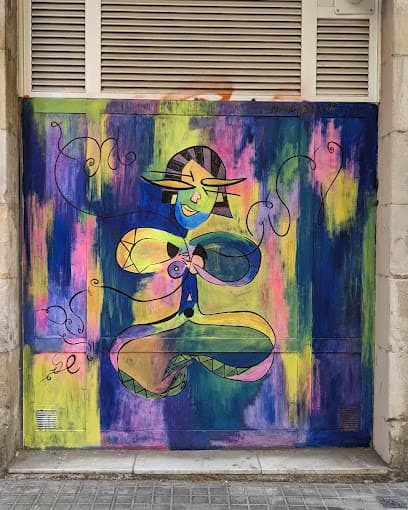
A raw, paint-splattered antidote to the sterile museum circuit. This is where pop-art meets the grit of the street, served straight from the artist’s hands in the heart of old Barcelona.
0.0(0)
Tourist attraction
Frequently Asked Questions
Is it free to see the living statues on La Rambla?
Technically yes, as they are in a public space, but it is expected that you tip if you take a photo or if they perform for you. These artists rely entirely on tips for their livelihood.
Where exactly are the living statues located?
Following city regulations in 2011, the statues are now exclusively located in the lower part of La Rambla, specifically the stretch known as Rambla de Santa Mònica near the Columbus Monument.
Can I take a photo with the statues?
Yes, most performers are happy to pose for a photo, but you should always drop a coin in their box first as a sign of respect for their work.
What is the best time to see them?
Late afternoon and early evening are best, as the lighting is better for photos and the full roster of performers is usually present.
Reviews
0 reviews for Estatuas y Esculturas
No reviews yet. Be the first to share your experience!