4.7
163 verified reviews
About
Most people stand in front of the Sagrada Família’s Passion Facade and feel a sudden, sharp discomfort. Compared to Gaudí’s melting, organic Nativity side, Subirachs’ work is a punch to the throat. It’s skeletal, tortured, and unapologetically modern. For decades, the high priests of traditionalism called it a scar on the city. But if you want to understand why Josep Maria Subirachs was the only man with the stones to take on that job, you have to look toward Poblenou.
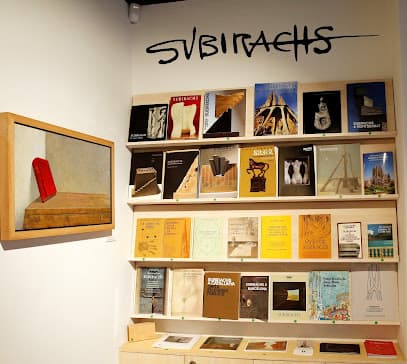
Espai Subirachs wasn't a museum in the way the Picasso Museum is a museum. It wasn't a polished, high-traffic machine designed to process tourists. Until its permanent closure in December 2022, this was an intimate, family-run space located on a quiet side street in what used to be Barcelona’s industrial heartland. It was founded by the artist’s family to ensure his legacy wasn't swallowed whole by the shadow of the great cathedral. It offered a rare moment of silence in a neighborhood that still feels like it belongs to the people who live there.
The collection spanned over half a century of work, showing the evolution of a man who saw the world in hard angles and meaningful voids. It housed the sketches—the raw, frantic lines where the figures of the Passion Facade were first born. Away from the neck-craning scale of the basilica, these works revealed the immense weight Subirachs carried. He wasn't trying to be Gaudí; he was trying to be honest. The space showcased sculptures in bronze and stone, drawings, and paintings that revealed a much more versatile artist than the one the public knows from the postcards.
What made this place essential was the human element. For years, the space was overseen by the artist’s daughter, Judit Subirachs-Burgaya, an art historian who knows every chisel mark and every ink smudge in the collection. There was no audio guide telling you what to feel. Instead, you got a genuine window into the symbolism, the controversy, and the sheer technical difficulty of carving a new identity into the most famous building on earth. It remains a masterclass in artistic integrity. Subirachs knew he would be hated by the purists, and he did it anyway.
In a city that is increasingly being turned into a Gaudí-themed amusement park, the memory of Espai Subirachs serves as a necessary palate cleanser. It’s a reminder that art isn't always supposed to be pretty or 'whimsical.' Sometimes it’s supposed to be difficult. It’s supposed to reflect the pain and the grit of the human condition. Even with the museum closed, the man who dared to defy the ghost of Gaudí continues to haunt the city with his profound, angular truth.
Type
Museum, Tourist attraction
Duration
1-1.5 hours
Best Time
The museum is permanently closed to the public.
What People Say
artwork(15)space(8)muy interesante(7)sagrada familia(3)explanation(2)
Features
Museum
Tourist attraction
Categories
Contemporary ArtSculptureArchitectureLocal History
Must-See Highlights
Preparatory sketches for the Passion Facade
The 'Labyrinth' series of sculptures
The bronze bust of Salvador Dalí
Personal items and tools from the artist's workshop
Visitor Tips
Note that this museum is permanently closed as of December 2022.
Visit the Passion Facade at the Sagrada Família to see the final realization of the sketches once held here.
Explore the Rambla del Poblenou nearby for a taste of the neighborhood's authentic, non-touristy character.
Good For
Art historiansArchitecture buffsSolo travelersQuiet seekers
Why Visit
The definitive collection of sketches for the Sagrada Família Passion Facade
A raw look at the most controversial artistic project in modern Barcelona
Comprehensive overview of Subirachs' 60-year career in sculpture and painting
Nearby Landmarks
- 5-minute walk from Rambla del Poblenou
- 10-minute walk from Bogatell Beach
- 5-minute walk from Poblenou Metro (L4)
Accessibility
- Ground floor access
- Wheelchair accessible
Location
Carrer de Batista, 6
Sant Martí, Barcelona
Nearby Hotels
Nearby Restaurants
In Sant Martí
ATTRACTION
LOS CERDINS HOUSE
Sant Martí
A raw, repurposed industrial relic in the heart of Sant Martí, Los Cerdins House is a testament to the neighborhood's manufacturing soul, where red-brick history meets the sharp, creative edge of modern Barcelona.
0.0(0)
Tourist attraction
ATTRACTION
Pista de frontó
Sant Martí
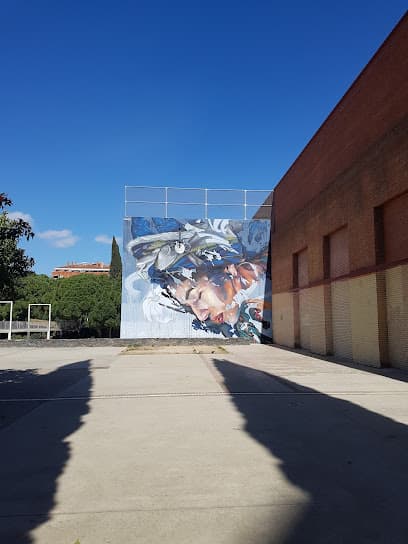
A sun-baked slab of concrete where the rhythmic thwack of a ball against stone serves as the soundtrack to a neighborhood still clinging to its gritty, industrial Poblenou soul.
0.0(0)
Park
ATTRACTION
Saraya Express
Sant Martí
A specialized travel outpost tucked away in Sant Martí. Saraya Express is where the logistics of a trip to Cairo meet the grit of Barcelona’s daily grind, far from the tourist-trap fluff.
0.0(0)
Tourist attraction
Frequently Asked Questions
Is Espai Subirachs still open?
No, Espai Subirachs permanently closed its doors on December 23, 2022. While the museum is no longer accessible, the artist's most significant work remains the Passion Facade of the Sagrada Família.
What is the connection between Subirachs and the Sagrada Família?
Josep Maria Subirachs was the sculptor commissioned to create the Passion Facade. He lived and worked at the Sagrada Família for 20 years, and this former museum housed the original models and drawings for that massive project.
Where was Espai Subirachs located?
The museum was located in the Poblenou neighborhood on Carrer de Batista. The area remains a hub for local art and industrial history, even though the museum itself is closed.
Can I still see Subirachs' work in Barcelona?
Yes. Beyond the Sagrada Família, his work can be found at the Monument to Francesc Macià in Plaça de Catalunya and in the collection of the Montserrat Museum.
Reviews
0 reviews for Espai Subirachs
No reviews yet. Be the first to share your experience!