4.7
148 verified reviews
About
If you’re looking for a gift shop selling plastic bulls or a guy in a felt hat playing 'Despacito' on an accordion, keep walking. Espai Albert Musons isn’t for you. This is a place of work, of strain, and of a very specific kind of Catalan madness that involves grown men and women climbing on each other's shoulders until they’re four stories high. This is the headquarters of the Castellers de la Vila de Gràcia, and it is one of the few places left in this city that feels entirely, stubbornly, and beautifully real.
Located on a quiet side street in the Gràcia neighborhood, the space is named after Albert Musons, a man who lived and breathed this barrio. He was a journalist and a historian, but more importantly, he was a guardian of the local identity. Walking through these doors, you aren't entering a museum; you’re entering a living room for the community. The air is thick with the scent of old wood, floor mats, and the collective effort of a hundred people trying not to fall down.
The main event here is the practice of the castells—human towers. Forget the polished performances you see during the Festes de Gràcia in August. The real magic happens here, on a Tuesday or Friday night, when the 'colla' (the team) gathers. You’ll see the 'pinya'—the massive, sweating base of the tower—locking arms, heads down, creating a foundation of pure muscle and will. Then come the climbers, barefoot and focused, scaling the backs of their friends. It is a visceral, heart-in-throat experience to stand three feet away from a human structure that looks like it shouldn't exist. There is no safety net. There is only the 'faja'—the long black sash wrapped tight around the waist to protect the back and provide a foothold—and the absolute trust they have in one another.
But it’s not just about the towers. Espai Albert Musons is the nerve center for the 'cultura popular' of the district. It’s where the Gegants (the giant papier-mâché figures) live when they aren't parading through the streets scaring children. It’s the home of the Colla de Sant Medir, the folks responsible for the candy-throwing madness of March. It is a warehouse of tradition, kept alive by people who do this for the love of the game, not for your Instagram feed.
The vibe is utilitarian. Fluorescent lights, scuffed floors, and walls adorned with photos of past glories—towers that reached the heavens and towers that collapsed into a heap of blue shirts. There’s a sense of belonging here that is increasingly rare in a city being hollowed out by short-term rentals. This is where the neighborhood comes to argue, to celebrate, and to remind themselves who they are.
Is it worth visiting? If you give a damn about what makes Barcelona actually tick, then yes. It’s one of the best things to do in Gràcia if you want to escape the boutiques and the brunch spots. Don't expect a guided tour. Just walk in, be quiet, show some respect, and watch. You’re a guest in their house. If you’re lucky, you’ll witness that moment of silence right before the 'enxaneta'—the smallest child—reaches the top and raises a hand. It’s a protein rush of pure culture, no filter required.
Type
Cultural association, Tourist attraction
What People Say
castell(3)
Features
Cultural association
Tourist attraction
Categories
TraditionCommunityCastellersLocal History
Opening Hours
- Monday4:30 to 8:30 PM
- Tuesday4:30 to 8:30 PM
- Wednesday4:30 to 8:30 PM
- Thursday4:30 to 8:30 PM
- Friday4:30 to 8:30 PM
- SaturdayClosed
- SundayClosed
Accessibility
- Ground floor access
- Wheelchair accessible entrance
Location
Carrer de l'Alzina, 7, 9
Gràcia, Barcelona
Nearby

ATTRACTION
Jardins de Manuel Torrente
50 m · Gràcia
A gritty, no-nonsense neighborhood pocket in Gràcia where local kids rule the swings and the smell of damp sand beats any curated tourist trail.
3.7(232)
ParkTourist attraction
ATTRACTION
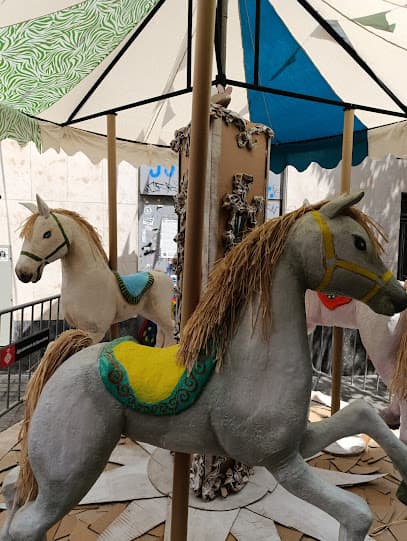
Festes de Gràcia - Carrer Verdi
150 m · Gràcia
The heavyweight champion of Gràcia’s street-decorating madness, where neighbors turn recycled trash into high-concept fever dreams every August. It’s beautiful, crowded, and loud.
5.0(4)
Tourist attraction

RESTAURANT
La Piadina
€100 m · Gràcia
A cramped, glorious temple to the Romagnolo flatbread on a Gràcia side street, where the dough is thin, the cheese is funky, and the pretense is non-existent. It’s honest, unadorned fuel.
4.2(481)
Italian restaurantEuropean restaurant
RESTAURANT
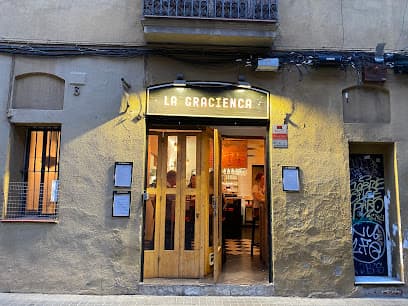
La Gracienca
€€100 m · Gràcia
A gritty, soul-filled Gràcia hideout where the ensaladilla rusa is a religious experience and the tourists are outnumbered by locals who know exactly where the good stuff is.
4.6(528)
Tapas bar
HOTEL
Residència Erasmus Gràcia
€300 m · Gràcia
It’s a student dorm masquerading as a hotel, but in Gràcia, that’s a feature, not a bug. Clean, spartan, and blissfully free of the velvet-rope bullshit of the Eixample.
4.0(904)
Student dormitory
HOTEL
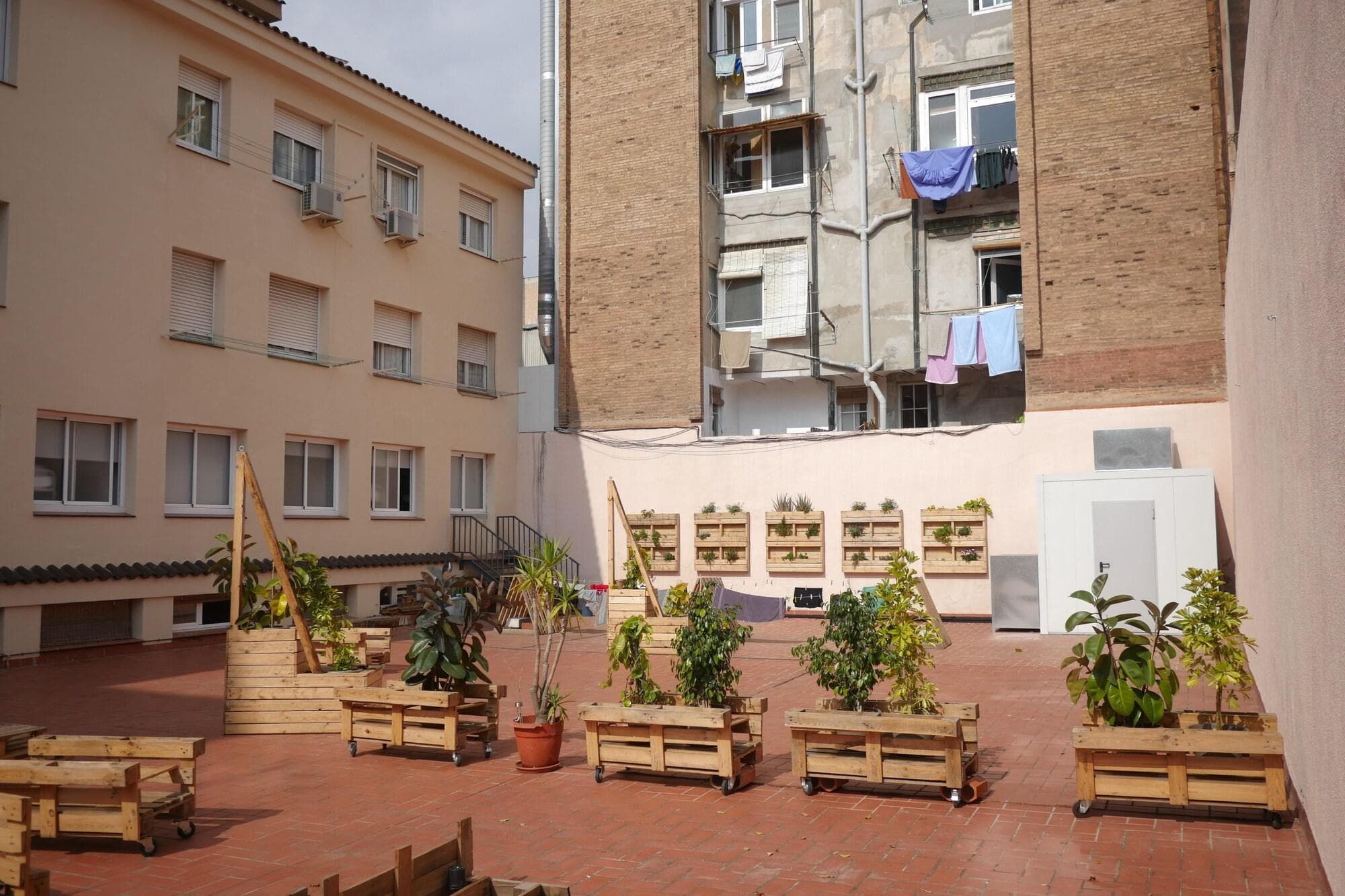
JAM Hostel Barcelona
€300 m · Gràcia
Gràcia’s antidote to the soulless party hostel: a sustainable, yoga-friendly sanctuary where the kitchen is huge, the terrace is quiet, and the vibe is more 'local' than 'lost tourist.'
4.7(375)
Hostel
Frequently Asked Questions
Is Espai Albert Musons worth visiting?
Yes, if you want to see the authentic, non-commercial side of Catalan culture. It is the best place to watch human tower (castellers) rehearsals up close without the festival crowds.
When can I see the Castellers practice?
The Castellers de la Vila de Gràcia typically practice on Tuesday and Friday evenings, usually starting around 8:00 PM or 9:00 PM, but it is best to check their official social media or website for current schedules.
Do I need tickets for Espai Albert Musons?
No, entry is generally free as it is a community cultural space. However, visitors should remain respectful and stay out of the way of the participants during rehearsals.
How do I get to Espai Albert Musons?
It is located in the heart of Gràcia. The easiest way is to take the L3 Metro to Fontana or the L4 to Joanic, followed by a 10-minute walk through the neighborhood's narrow streets.
Reviews
0 reviews for Espai Albert Musons
No reviews yet. Be the first to share your experience!