4.4
27 verified reviews
About
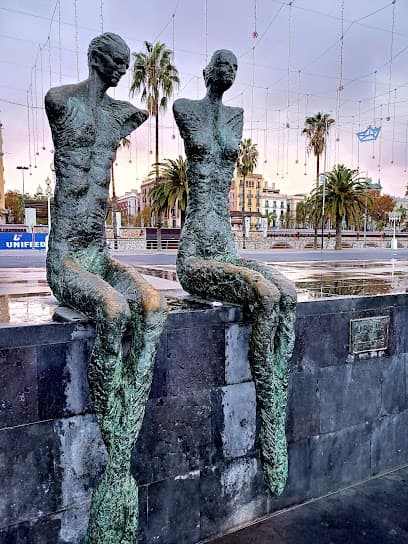
Most people hit the Barcelona waterfront and head straight for the big, loud stuff. They want the Columbus Monument, the gleaming yachts of the OneOcean Port Vell, or the air-conditioned purgatory of the Maremagnum shopping mall. They’re looking for the 'best things to do in Barcelona' on a checklist, moving fast, missing the point. But if you slow down on the Moll de Bosch i Alsina—what the locals call the Moll de la Fusta—you’ll find something far more human. These are the Escultures de les Parelles Assegudes, the Seated Couples. They aren't grand generals on horseback or tortured saints. They’re just bronze figures, four pairs of them, sitting on stone benches, staring out at the water with an indifference that is purely Mediterranean.
Created by Chilean sculptor Lautaro Díaz Silva and installed in 1991, these figures were part of the massive facelift Barcelona gave itself before the 1992 Olympics. Before that, the city’s relationship with the sea was... complicated. It was a wall of warehouses and industrial grit. The Moll de la Fusta project, led by architect Manuel de Solà-Morales, was about tearing down those walls and letting the city breathe again. These sculptures are the soul of that movement. They represent the simple act of reclaiming the shore. They are life-sized, slightly stylized, and weathered by decades of salt air and the oily mist of the harbor. They don’t stand on pedestals; they share the same benches where you might sit to nurse a hangover or eat a cheap sandwich from a nearby bakery in the Gothic Quarter.
There is a profound, quiet melancholy to them. Each couple is caught in a moment of shared silence. They aren't talking. They aren't looking at their phones. They are just being. In a city that often feels like a high-speed collision of tourism and commerce, sitting next to a bronze man and woman who have been watching the tide come in since the early nineties is a necessary reality check. It’s one of the few places near the Port Vell where you can escape the 'vibrant' noise and just feel the weight of the city. The bronze is smooth in places where thousands of hands have touched them—shoulders, knees, hands. They’ve become part of the furniture of the city, and that’s the highest compliment you can pay to public art.
If you’re looking for things to do in Barcelona with kids, this is a great spot to let them run while you take five minutes to actually look at the harbor. The sculptures are located along a wide, pedestrianized promenade lined with palm trees. To your back is the traffic of the Passeig de Colom; in front of you is the water and the historic schooner Santa Eulàlia. It’s a transition zone. The sculptures serve as a reminder that despite the millions of visitors, Barcelona is still a place where people live, wait, and grow old together.
Is it worth visiting? If you’re the type who needs a gift shop and a guided tour, probably not. But if you want to understand the texture of the city—the way it balances its ancient bones with modern aspirations—then yes. Walk down from the bottom of La Rambla, skip the tourist traps selling overpriced sangria, and find a spot on a bench next to one of these couples. Watch the sun hit the water, smell the diesel and the sea salt, and realize that the best parts of travel aren't the things you pay for, but the moments where you finally stop moving.
Type
Sculpture, Tourist attraction
Duration
15-30 minutes
Best Time
Late afternoon or sunset when the light hits the bronze and the harbor water glows.
Features
Sculpture
Tourist attraction
Categories
Public ArtModernismWaterfrontPhotography
Ticket Prices
Free Admission
No tickets required
Opening Hours
- MondayOpen 24 hours
- TuesdayOpen 24 hours
- WednesdayOpen 24 hours
- ThursdayOpen 24 hours
- FridayOpen 24 hours
- SaturdayOpen 24 hours
- SundayOpen 24 hours
Must-See Highlights
The weathered bronze textures of the figures
The view of the Santa Eulàlia schooner from the benches
The contrast between the static figures and the moving harbor traffic
Visitor Tips
Bring a coffee or a snack and actually sit on the bench with the sculptures to soak in the atmosphere.
It's a great spot for photography without the massive crowds found at other Gaudí landmarks.
Combine this with a walk through the nearby El Born neighborhood for a full afternoon of culture.
Good For
Solo travelersCouplesPhotography enthusiastsBudget travelers
Why Visit
Interactive public art where you can sit directly next to the sculptures
Unobstructed views of the Port Vell harbor and historic ships
A rare quiet spot in the heart of the busy Ciutat Vella waterfront
Nearby Landmarks
- 5-minute walk from the Columbus Monument (Monument a Colom)
- 8-minute walk from the Museu d'Història de Catalunya
- 10-minute walk from the bottom of La Rambla
- 12-minute walk from the Basilica of Santa Maria del Mar
Accessibility
- Flat, paved promenade
- Wheelchair accessible
- No stairs required
Location
Moll de Bosch i Alsina, 2
Ciutat Vella, Barcelona
Nearby Hotels
Nearby Restaurants
In Ciutat Vella
ATTRACTION
Park
Ciutat Vella
A thousand years of silence tucked behind a Romanesque monastery, where the grit of El Raval dissolves into ancient stone, cool shadows, and the heavy weight of history.
0.0(0)
Park
ATTRACTION
BARSHELONA
Ciutat Vella
Forget the plastic bulls and tacky magnets. This is where Barcelona’s soul is bottled into art, a small sanctuary of local design hidden in the shadows of the Gothic Quarter.
0.0(0)
Tourist attraction
ATTRACTION
Minajoe art
Ciutat Vella
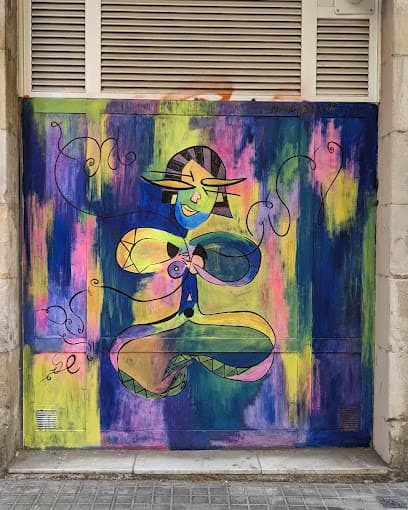
A raw, paint-splattered antidote to the sterile museum circuit. This is where pop-art meets the grit of the street, served straight from the artist’s hands in the heart of old Barcelona.
0.0(0)
Tourist attraction
Frequently Asked Questions
Is Escultures de les Parelles Assegudes worth visiting?
Yes, if you appreciate quiet, contemplative public art. It offers a peaceful break from the crowded tourist areas of the Port Vell and a chance to sit and enjoy the harbor views.
Where exactly are the Seated Couples sculptures located?
They are located on the Moll de Bosch i Alsina (also known as Moll de la Fusta) in the Port Vell area, just a short walk from the Columbus Monument and the Gothic Quarter.
Who is the artist behind the Seated Couples?
The sculptures were created by the Chilean artist Lautaro Díaz Silva and were installed in 1991 as part of the city's pre-Olympic urban renewal project.
Do I need tickets to see the sculptures?
No, these are public sculptures located on an open promenade. They are free to view and accessible 24 hours a day.
Reviews
0 reviews for Escultures de les Parelles Assegudes
No reviews yet. Be the first to share your experience!