4.4
7,159 verified reviews
About
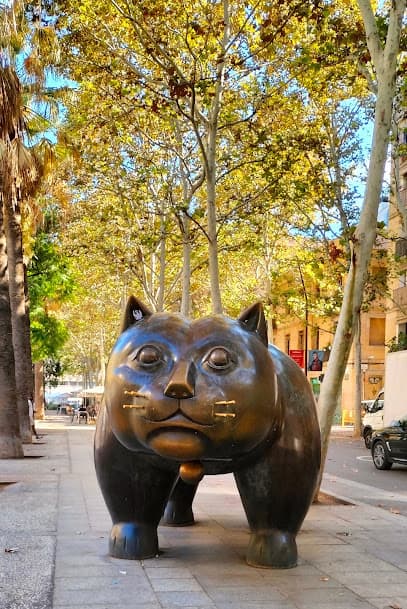
You’re walking down the Rambla del Raval, and the air changes. It’s thicker here. It smells of roasting lamb, diesel, and the kind of lived-in humidity you only get in a neighborhood that refuses to be gentrified into submission. Then you see it: a seven-ton bronze behemoth that looks like it swallowed a smaller, weaker statue and is still digesting it. This is El Gat de Botero, the undisputed king of the Raval, and quite possibly the most resilient resident in all of Barcelona.
Created by the Colombian master of volume, Fernando Botero, in 1987, this cat didn’t just land here. It had to earn its keep. For fifteen years, the city of Barcelona treated this bronze feline like an unwanted houseguest. It was shuffled from the Ciutadella Park to the Olympic Stadium, then tucked away near the Drassanes shipyards. It was too big, too round, and perhaps a little too honest for the more 'refined' parts of town. But in 2003, it finally found its home in the Raval. It belongs here. The Raval is a place of layers, of immigrants, of skaters, and of people who have been moved around more than once. The cat is their patron saint.
Standing before it, you realize this isn't 'art' in the way most people think of it. There are no velvet ropes. There are no hushed whispers. Instead, you’ll see kids using its massive tail as a slide, tourists posing for selfies while rubbing its oversized nose, and locals sitting in its shadow to escape the Mediterranean sun. There is a specific, somewhat crude tradition involving the cat’s anatomy—let’s just say the bronze on its testicles is significantly more polished than the rest of its body. People touch them for luck, or maybe just because they can. It’s a tactile, visceral experience that thumbed its nose at the idea of the 'untouchable' masterpiece.
This is the essence of Boterismo. Botero wasn't interested in making things 'fat'; he was interested in volume and presence. In a world that often feels fragile and fleeting, this cat is permanent. It is a middle finger to the delicate. It’s a celebration of mass. When you’re looking for things to do in Raval Barcelona, this is the anchor. It’s the meeting point for every night out that starts with a cheap beer and ends with a story you probably shouldn't tell your mother.
Is El Gat de Botero worth it? If you’re looking for a pristine, manicured experience, probably not. Go to the Gothic Quarter and look at some gargoyles. But if you want to see the soul of the city—the part that’s a little dirty, a little loud, and completely authentic—then pull up a chair at one of the nearby terraces, order a vermouth, and watch the neighborhood’s chaotic, beautiful human parade drift past the big bronze cat. It’s one of the best free things to do in Barcelona because it doesn't ask anything of you. It just sits there, heavy and silent, watching the neighborhood change while it remains exactly the same. It’s a reminder that in a city constantly reinventing itself for the tourist dollar, some things are too heavy to be moved.
Type
Sculpture, Tourist attraction
Duration
15-30 minutes
Best Time
Late afternoon when the neighborhood comes alive and the light hits the bronze perfectly.
What People Say
cat(373)tourist(68)fernando botero(61)symbol(41)1987(17)multicultural(16)2003(11)balls(10)
Features
Sculpture
Tourist attraction
Categories
ArtPublic LandmarkPhotographyContemporary Art
Ticket Prices
Free Admission
No tickets required
Opening Hours
- MondayOpen 24 hours
- TuesdayOpen 24 hours
- WednesdayOpen 24 hours
- ThursdayOpen 24 hours
- FridayOpen 24 hours
- SaturdayOpen 24 hours
- SundayOpen 24 hours
Must-See Highlights
The polished 'lucky' spots on the cat's nose and anatomy
The massive bronze tail
The surrounding multicultural atmosphere of Rambla del Raval
Visitor Tips
Keep an eye on your belongings as the area can be crowded with tourists and locals.
Grab a kebab or a coffee at a nearby terrace to witness the Raval's unpolished, everyday hustle.
Visit at night to see the statue illuminated and surrounded by the neighborhood's nightlife.
Good For
Families with kidsArt loversBudget travelersPhotographers
Why Visit
The 'Nomadic' History: A statue that wandered the city for 15 years before finding its home.
Boterismo Style: A world-famous example of Fernando Botero's signature exaggerated proportions.
Interactive Landmark: One of the few famous sculptures in the city that you are encouraged to climb and touch.
Nearby Landmarks
- Filmoteca de Catalunya (3-minute walk)
- Bar Marsella (5-minute walk)
- Mercat de la Boqueria (10-minute walk)
- MACBA Museum (10-minute walk)
Accessibility
- Fully wheelchair accessible
- Open pedestrian plaza
- Tactile experience for visually impaired
Location
Rambla del Raval, s/n
Ciutat Vella, Barcelona
Nearby Hotels
Nearby Restaurants
In Ciutat Vella
ATTRACTION
Park
Ciutat Vella
A thousand years of silence tucked behind a Romanesque monastery, where the grit of El Raval dissolves into ancient stone, cool shadows, and the heavy weight of history.
0.0(0)
Park
ATTRACTION
BARSHELONA
Ciutat Vella
Forget the plastic bulls and tacky magnets. This is where Barcelona’s soul is bottled into art, a small sanctuary of local design hidden in the shadows of the Gothic Quarter.
0.0(0)
Tourist attraction
ATTRACTION
Minajoe art
Ciutat Vella
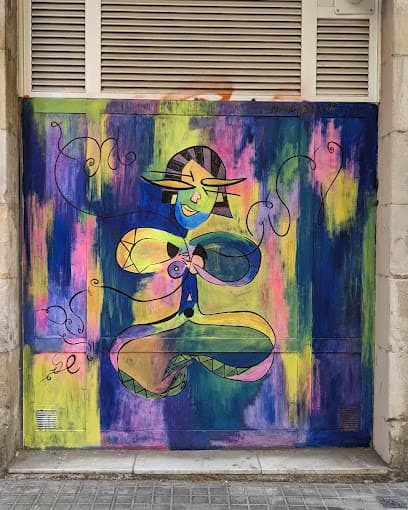
A raw, paint-splattered antidote to the sterile museum circuit. This is where pop-art meets the grit of the street, served straight from the artist’s hands in the heart of old Barcelona.
0.0(0)
Tourist attraction
Frequently Asked Questions
Is El Gat de Botero worth visiting?
Absolutely. It is a symbol of the Raval neighborhood and one of the most iconic modern sculptures in Barcelona. It's free, accessible 24/7, and offers a great glimpse into the local street life away from the main tourist drags.
Where is the Botero Cat located?
The sculpture is located at the southern end of the Rambla del Raval in the Ciutat Vella district. It's about a 10-minute walk from La Rambla or the Liceu Metro station.
What is the history of the Botero Cat?
Purchased by the city in 1987, the statue spent 15 years being moved between various locations including Ciutadella Park and Montjuïc before finding its permanent home in the Raval in 2003.
Do I need tickets for El Gat de Botero?
No, it is a public sculpture located in an open pedestrian plaza. You can visit it at any time of day or night for free.
Reviews
0 reviews for El Gat de Botero
No reviews yet. Be the first to share your experience!