4.4
8,078 verified reviews
About
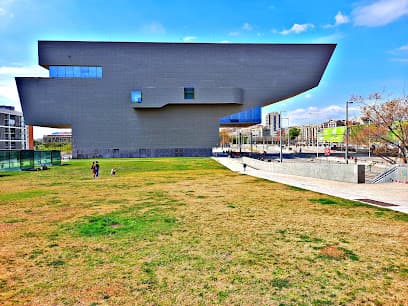
Look at the building. Locals call it 'La Grapadora'—the Stapler. It’s a cantilevered, zinc-clad middle finger to the ornate, dusty expectations of what a museum should be. Sitting in the middle of the perpetual construction site that is Plaça de les Glòries Catalanes, the Design Museum of Barcelona (Museu del Disseny) doesn't care about your feelings. It cares about how things work, how they look, and why we’re obsessed with owning them. This isn't a gallery of untouchable oil paintings; it’s a massive, 70,000-object excavation of the human ego expressed through stuff.
Walking into the DHub is like entering a high-tech bunker. It’s cold, it’s cavernous, and it’s brilliant. While the crowds are busy choking the life out of the Gothic Quarter, you’re here in Sant Martí, surrounded by the DNA of modern life. The museum swallowed four older institutions—decorative arts, ceramics, textiles, and graphic arts—and spat them out as a cohesive narrative of how we’ve shaped our environment since the 4th century.
The 'Dressing the Body' exhibition is the gut punch you didn't see coming. It’s not just a parade of pretty dresses. It’s a clinical, almost brutal look at how we’ve spent centuries squeezing, padding, and distorting the human frame to fit a fleeting ideal. You see the corsets that crushed ribs and the crinolines that made walking a logistical nightmare. It’s a reminder that fashion has always been a beautiful, expensive form of torture. It’s visceral, and it makes you thankful for your oversized t-shirt.
Then you hit the industrial design section, 'Common Objects.' This is where the museum earns its keep. There is something profoundly moving about seeing a 1960s Spanish oil cruet or a classic Minipimer blender sitting on a pedestal like a holy relic. It forces you to stop and actually look at the tools we use until they break and we throw them away. It’s a celebration of the 'Spanish Miracle'—that era when the country dragged itself into modernity through clever, functional, and often beautiful household objects. It’s design for the people, by the people, and it’s devoid of the pretension that usually plagues the art world.
Upstairs, the graphic design collection, 'Do You Work or Design?', tracks the visual language of Spain from the 1980s to the present. It’s a trip through the posters, logos, and branding that defined a post-Franco democracy finding its voice. It’s loud, it’s colorful, and it’s a reminder that someone had to sit down and decide exactly how that beer bottle or Olympic mascot should look to make you feel something.
The museum is often quiet, populated mostly by design students from the nearby schools, hunched over sketchbooks with an intensity that borders on the religious. There’s a lack of tourist-trap fluff here that is refreshing. No one is trying to sell you a plastic bull or a fake Gaudí tile. It’s just you and the objects.
Is it for everyone? No. If you need gold-leafed altarpieces and cherubs to feel like you’ve 'done' culture, stay on the bus. But if you want to understand the soul of a city that prides itself on being the design capital of the Mediterranean, you come here. You stand under the massive cantilever, you look at the blinking LED screens of the neighboring Torre Glòries, and you realize that Barcelona isn't just a museum of the past—it’s a blueprint for the future. It’s honest, it’s functional, and it’s damn near perfect in its utilitarian coldness.
Type
Art museum, Cultural center
Duration
2-3 hours
Best Time
Sunday afternoons after 3 PM for free entry, or weekday mornings to avoid school groups.
Guided Tours
Available
Audio Guide
Available
What People Say
muy interesante(141)david bowie(85)graphic design(69)permanent exhibitions(55)temporary exhibition(49)designer(29)product design(21)fashion design(21)
Features
Art museum
Cultural center
Exhibition and trade centre
Novelty store
Categories
DesignFashionArchitectureGraphic ArtsContemporary Art
Ticket Prices
adult€6
childFree (under 16)
senior€4
Opening Hours
- MondayClosed
- Tuesday10 AM to 8 PM
- Wednesday10 AM to 8 PM
- Thursday10 AM to 8 PM
- Friday10 AM to 8 PM
- Saturday10 AM to 8 PM
- Sunday10 AM to 8 PM
Must-See Highlights
The 16th-century corsets in the fashion wing
The iconic Spanish 'Minipimer' blender display
The 'Barcelona' chair by Mies van der Rohe
The massive graphic design poster archive
Visitor Tips
The cafeteria has a great outdoor terrace that's usually quiet.
Combine your visit with the nearby Encants flea market for a full day of 'stuff' appreciation.
Check the temporary exhibition schedule; they often host world-class touring shows like the David Bowie or Pink Floyd retrospectives.
Good For
Design enthusiastsFashion studentsArchitecture buffsFamilies with teenagersBudget travelers on free Sundays
Why Visit
The 'Stapler' building architecture by MBM Arquitectes
World-class 'Dressing the Body' fashion history collection
Comprehensive archive of 20th-century Spanish industrial and graphic design
Nearby Landmarks
- Torre Glòries (3-minute walk)
- Mercat dels Encants flea market (4-minute walk)
- Westfield Glòries shopping center (2-minute walk)
- Can Framis Museum (10-minute walk)
Accessibility
- Fully wheelchair accessible
- Elevators to all floors
- Accessible restrooms
- Tactile signage available
Location
Plaça de les Glòries Catalanes, 38, c
Sant Martí, Barcelona
Nearby Hotels
Nearby Restaurants
In Sant Martí
ATTRACTION
LOS CERDINS HOUSE
Sant Martí
A raw, repurposed industrial relic in the heart of Sant Martí, Los Cerdins House is a testament to the neighborhood's manufacturing soul, where red-brick history meets the sharp, creative edge of modern Barcelona.
0.0(0)
Tourist attraction
ATTRACTION
Pista de frontó
Sant Martí
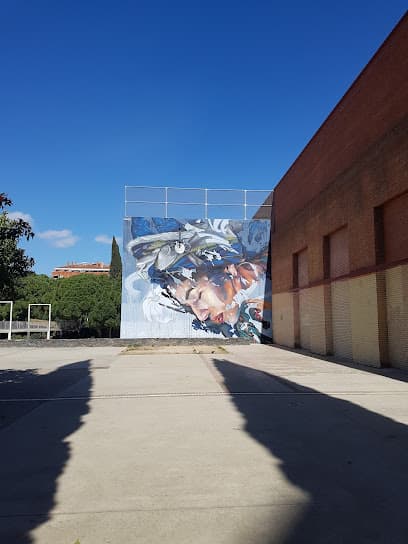
A sun-baked slab of concrete where the rhythmic thwack of a ball against stone serves as the soundtrack to a neighborhood still clinging to its gritty, industrial Poblenou soul.
0.0(0)
Park
ATTRACTION
Saraya Express
Sant Martí
A specialized travel outpost tucked away in Sant Martí. Saraya Express is where the logistics of a trip to Cairo meet the grit of Barcelona’s daily grind, far from the tourist-trap fluff.
0.0(0)
Tourist attraction
Frequently Asked Questions
Is the Design Museum of Barcelona worth visiting?
Yes, especially if you are interested in fashion, graphic arts, or industrial design. It offers a deep dive into how everyday objects are made and the history of Spanish aesthetics without the typical tourist crowds.
When is the Design Museum Barcelona free?
The museum offers free admission every Sunday from 3:00 PM to 8:00 PM and all day on the first Sunday of every month.
How do I get to the Design Museum?
The easiest way is via the Metro Line 1 (Red Line) to the Glòries station. The museum is the large, modern building located right outside the station exit.
What are the must-see exhibits at DHub?
Don't miss 'Dressing the Body' for fashion history and 'Common Objects' for a fascinating look at iconic Spanish industrial design and household items.
Reviews
0 reviews for Design Museum of Barcelona
No reviews yet. Be the first to share your experience!