
About
Barcelona is a city built on layers of history, most of them soaked in blood, wine, or salt. It’s a place where the medieval and the modern don’t just coexist; they collide, often with a screeching of gears. In the winding, labyrinthine guts of Ciutat Vella—specifically the El Born neighborhood—you’ll find Carrer dels Agullers. It’s a narrow slit of a street that feels like it hasn’t changed since the 14th century, smelling of damp stone and the ghost of the nearby sea. But at number 24, something very different is happening. This is the territory of Crypto Graffiti.
Let’s be clear: this isn’t your grandmother’s art gallery. There are no hushed whispers here, no white-gloved docents explaining the nuance of a brushstroke, and certainly no gift shop selling overpriced umbrellas. This is the workspace and occasional exhibition site of the artist known as cryptograffiti, a pioneer who was blending street art with the decentralized digital frontier long before the rest of the world knew what a blockchain was. It’s raw, it’s political, and it’s deeply skeptical of the very institutions that usually fund the arts.
When you walk down Agullers, you’re surrounded by the weight of the past. The massive stones of Santa Maria del Mar are just a stone's throw away. But the art here is focused entirely on the future—or rather, the dismantling of the present. The artist is famous for using 'fiat' currency as his canvas. We’re talking about art made from shredded bank bags, repurposed credit cards, and actual cash that has been rendered worthless by his stencils. It’s a visceral, tactile middle finger to central banking, delivered with the precision of a master craftsman. Seeing a portrait of a whistleblower or a critique of inflation rendered on the very material it's criticizing is a protein rush for the brain. It’s honest work in a world of digital fluff.
The atmosphere of the space reflects the neighborhood. El Born used to be the quarter of the artisans—the tanners, the smiths, the weavers. There’s a certain poetic justice in a new kind of artisan setting up shop here, one who works with the tools of the 21st century. The space itself is often unassuming, sometimes appearing more like a private studio than a public attraction. That’s part of the charm. In a city that is increasingly being turned into a theme park for tourists, finding a spot that doesn't care if you like it or not is a rare and beautiful thing. It’s one of the best alternative art galleries in Barcelona precisely because it feels like a secret.
Is it worth the trek? If you’re the kind of person who thinks art should be pretty and match your sofa, stay away. Go look at the flowers in the Park Güell. But if you want to see what happens when the grit of the street meets the high-stakes world of digital gold, this is essential. It’s a reminder that Barcelona is still a city of revolutionaries and anarchists, even if they’ve traded their Molotov cocktails for private keys and spray cans. You’ll leave feeling a little more cynical about your bank account and a lot more inspired by the power of a well-placed stencil. It’s a small, sharp shock to the system in the middle of the old world, and in a city as polished as Barcelona has become, we need that shock more than ever. Just don't expect a red carpet; expect a heavy door and a lot of truth.
Type
Tourist attraction
Features
Tourist attraction
Categories
Street ArtContemporary ArtBitcoinAlternative Culture
Opening Hours
- MondayOpen 24 hours
- TuesdayOpen 24 hours
- WednesdayOpen 24 hours
- ThursdayOpen 24 hours
- FridayOpen 24 hours
- SaturdayOpen 24 hours
- SundayOpen 24 hours
Accessibility
- Ground floor entrance
- Narrow street access
- Limited interior space
Location
Carrer dels Agullers, 24, Bajo
Ciutat Vella, Barcelona
Nearby
ATTRACTION
Lata Graffiti
50 m · Ciutat Vella
A paint-splattered sanctuary in El Born where discarded cans become street art. No velvet ropes here—just spray cans, recycled metal, and the raw, unpolished soul of Barcelona's back alleys.
5.0(2)
Tourist attraction
ATTRACTION
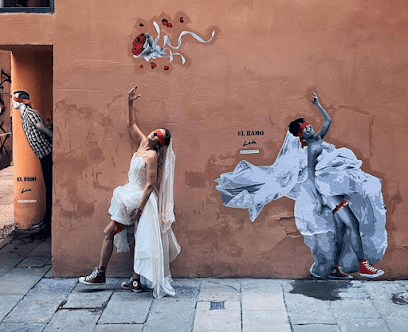
El beso
100 m · Ciutat Vella
A graffiti spot on Carrer dels Ases in Ciutat Vella, rated 3.6 from 49 Google reviews that mention graffiti and photography.
3.6(49)
Tourist attraction
RESTAURANT
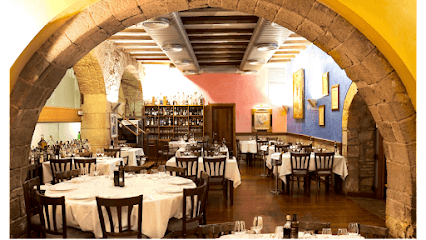
Restaurant El Passadís del Pep
€€€€50 m · Ciutat Vella
Walk down a dark, unmarked hallway into a windowless sanctuary where menus don't exist and the seafood arrives in a relentless, high-octane parade of Catalan excellence.
4.5(1K)
Restaurant

RESTAURANT
Tucco | Born
€€50 m · Ciutat Vella
In a neighborhood drowning in overpriced tourist traps, Tucco is a carb-heavy sanctuary of handmade pasta and Argentinian empanadas that won't rob you blind.
4.6(3K)
Italian restaurantArgentinian restaurant
HOTEL
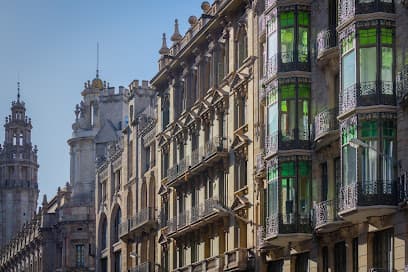
Hotel Colonial Barcelona
€100 m · Ciutat Vella
A stone-faced neoclassical beast on the edge of the Gothic Quarter, where high ceilings and history meet the relentless, beautiful roar of Via Laietana.
4.2(1K)
Hotel
HOTEL
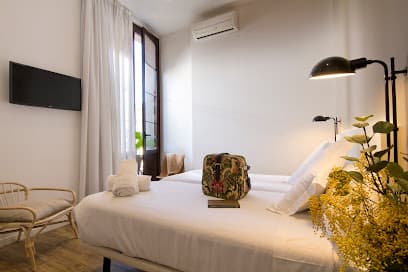
Som Nit Born
€150 m · Ciutat Vella
A minimalist refuge tucked inside a legendary 19th-century portside block, where Picasso once lived and the smell of salt air mixes with the ghosts of old Barcelona.
4.2(175)
Guest house
Frequently Asked Questions
Is Crypto Graffiti worth visiting?
Yes, if you appreciate street art with a political edge and an interest in the intersection of technology and finance. It is a niche, underground experience far removed from the typical tourist trail.
What should I expect to see at Crypto Graffiti?
Expect physical art pieces created from repurposed financial materials like shredded cash and bank bags, often featuring stenciled portraits and themes related to Bitcoin and decentralization.
How do I get to Carrer dels Agullers 24?
The gallery is located in El Born, a short 5-minute walk from the Jaume I Metro station (L4). It is tucked away in a narrow street near the Santa Maria del Mar church.
Do I need a ticket for Crypto Graffiti?
Generally, no. It often functions as a studio or a walk-in gallery, though hours can be irregular. It is best to check the artist's social media for current opening times or pop-up events.
Reviews
0 reviews for Crypto Graffiti
No reviews yet. Be the first to share your experience!