4.3
4 verified reviews
About
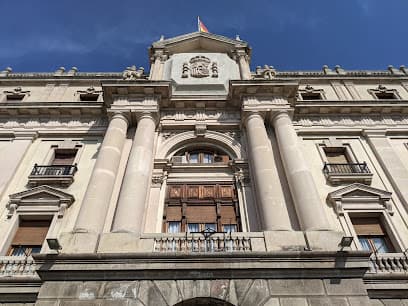
Walking past the Convent de la Mercè on Passeig de Colom, you’d be forgiven for thinking it’s just another piece of the city’s stony, Neoclassical furniture. It sits there, massive and indifferent, staring out at the harbor with the kind of stoic patience only a building that’s seen seven centuries of chaos can muster. But this isn't a museum where you shuffle through with a headset and a gift shop at the end. This is the Capitanía General de Cataluña—a working military headquarters where the air smells of floor wax, old paper, and the lingering ghost of incense.
The story here starts in 1232 with the Order of Mercy. These weren't your average garden-variety monks. The Mercedarians were founded by San Pedro Nolasco with a singular, gritty mission: ransoming Christian captives from North African slave markets. It was a business of blood, gold, and high-stakes negotiation. For centuries, this site was their base of operations, a sanctuary for those who had been bought back from the brink. But the 19th century brought the 'Desamortización'—the great state-sponsored land grab—and the monks were kicked out to make room for the military. The cross was traded for the cannon, and the silence of prayer was replaced by the bark of commands.
What you see today from the street is largely the result of a massive 1920s facelift by architect Adolf Florensa. He gave it that imposing, palace-like facade that screams 'authority.' But the real soul of the place is tucked inside. If you’re lucky enough to visit during one of the rare open days—like the Open House Barcelona festival or military holidays—you get to see the cloister. It’s a 17th-century masterpiece of marble and geometry, a double-decker of arches that filters the Mediterranean light into something soft and reverent. It’s one of the few places in the Ciutat Vella where the roar of the city actually stops.
Then there’s the 'Salón del Trono,' or Throne Room. It’s an explosion of gold leaf, heavy velvet, and portraits of stern men with impressive facial hair. It’s the kind of room where you expect to see maps being unrolled and empires being carved up over glasses of dry sherry. It’s beautiful, sure, but it’s also intimidating. It reminds you that while Barcelona is a city of beaches and tapas, it’s also a city with a long, complicated relationship with power and the people who wield it.
Don't come here expecting a warm hug. The guards at the door are doing a job, and they aren't there to take your selfie. This is a place for the history nerds, the architecture junkies, and the people who want to see the parts of Barcelona that haven't been scrubbed clean for the cruise ship crowds. It’s a reminder that the city’s history isn't just a series of pretty postcards; it’s a layered, often messy transition from religious devotion to military might. It’s quiet, it’s disciplined, and it’s one of the best historic buildings in Barcelona for anyone who values substance over spectacle. If the doors are open, you go in. You don't ask questions; you just soak in the weight of the stone and the silence of the courtyard.
Type
Tourist attraction
Duration
45-60 minutes
Best Time
During Open House Barcelona in October for full interior access.
Guided Tours
Available
What People Say
building(2)
Features
Tourist attraction
Categories
ArchitectureMilitary HistoryNeoclassicalReligious Heritage
Ticket Prices
Free Admission
No tickets required
Must-See Highlights
The 17th-century Cloister
The Salón del Trono (Throne Room)
The Neoclassical facade facing Passeig de Colom
The grand staircase
Visitor Tips
Bring a valid ID as this is a military building.
Check the Open House Barcelona schedule months in advance to secure a spot.
Photography may be restricted in certain military areas; always ask first.
Good For
History buffsArchitecture enthusiastsSolo travelers
Why Visit
Former 13th-century convent of the Order of Mercy
Stunning 17th-century double-tiered marble cloister
Active military headquarters with rare public access to the Throne Room
Nearby Landmarks
- Monument a Colom (5-minute walk)
- Basilica de la Mercè (2-minute walk)
- Port Vell (3-minute walk)
- La Rambla (6-minute walk)
Accessibility
- Ground floor accessible
- Limited access to upper floors
Location
Pg. de Colom, 14
Ciutat Vella, Barcelona
Nearby Hotels
Nearby Restaurants
In Ciutat Vella
ATTRACTION
Park
Ciutat Vella
A thousand years of silence tucked behind a Romanesque monastery, where the grit of El Raval dissolves into ancient stone, cool shadows, and the heavy weight of history.
0.0(0)
Park
ATTRACTION
BARSHELONA
Ciutat Vella
Forget the plastic bulls and tacky magnets. This is where Barcelona’s soul is bottled into art, a small sanctuary of local design hidden in the shadows of the Gothic Quarter.
0.0(0)
Tourist attraction
ATTRACTION
Minajoe art
Ciutat Vella
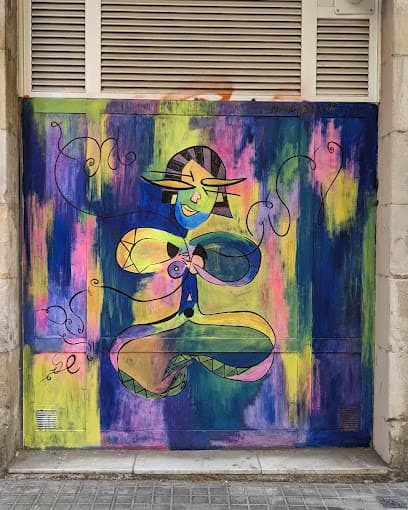
A raw, paint-splattered antidote to the sterile museum circuit. This is where pop-art meets the grit of the street, served straight from the artist’s hands in the heart of old Barcelona.
0.0(0)
Tourist attraction
Frequently Asked Questions
Is Convent de la Mercè worth visiting?
Yes, but only if you appreciate military history and architecture. It is not a traditional tourist site, so the appeal lies in its quiet, imposing atmosphere and the stunning 17th-century cloister.
Can you go inside the Capitanía General de Cataluña?
Public access is very limited as it is an active military headquarters. It typically opens to the public during Open House Barcelona (October) and on specific holidays like the Pascua Militar or Hispanic Day.
What should I see at Convent de la Mercè?
The highlights are the 17th-century cloister with its marble columns and the ornate Throne Room (Salón del Trono), which features impressive Neoclassical decor and historical portraits.
How do I get to the Convent de la Mercè?
It is located on Passeig de Colom, a 5-minute walk from the Columbus Monument. The nearest metro stations are Drassanes (L3) and Barceloneta (L4).
Reviews
0 reviews for Convent de la Mercè
No reviews yet. Be the first to share your experience!