4.0
1 verified reviews
About
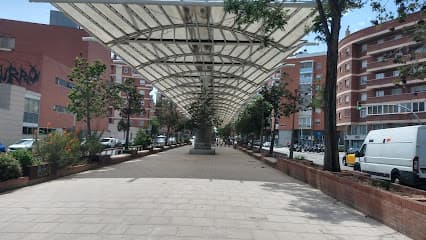
For over a century, Carrer d’Aragó was a wound. A massive, soot-stained trench that sliced through the heart of Barcelona, carrying the iron-and-oil thunder of the RENFE trains. It was loud, it was dirty, and it was a physical barrier that told the people of Sant Martí they were on the wrong side of the tracks. But Barcelona is a city that doesn't just accept its scars; it grafts new skin over them. The Cobertura del Carrer d’Aragó is exactly that—a concrete and green suture that turned a noisy abyss into a place where you can actually hear yourself think.
Don’t come here looking for the Sagrada Família’s soaring spires or the manicured perfection of the Gothic Quarter. This isn't that kind of Barcelona. This is the unvarnished reality of a neighborhood that has fought for every square inch of its public space. Standing at the corner near number 633, you are witnessing a victory of urban planning over industrial necessity. The tracks are still there, buried beneath your feet, and if you stand still enough, you can feel the rhythmic vibration of the suburban trains heading toward the coast. But above ground, the air is different. It’s the smell of sun-warmed pavement, laundry drying on nearby balconies, and the occasional whiff of strong espresso from a corner bar.
The experience of walking this stretch is a lesson in the 'real' Barcelona. It’s a linear promenade that serves as the neighborhood’s living room. You’ll see retirees in flat caps sitting on benches, dissecting the latest Barça match with the intensity of a war council. You’ll see kids on battered skateboards practicing kickflips on the smooth stone, and dogs dragging their owners toward the nearest patch of grass. It’s a place of transition, where the rigid grid of the Eixample finally begins to dissolve into the more industrial, working-class soul of Sant Martí and El Clot.
There is a certain brutalist beauty here. The design doesn't try to hide the fact that it’s a lid on a box. The vents for the railway tunnels rise up like sculptural chimneys, reminding you of the machinery humming below. It’s honest. It doesn't pretend to be a forest. It’s a functional, breathable space that allows the city to flow. To the south, the Torre Glòries looms like a giant, shimmering thumb, a reminder of the high-tech '22@' future, but here on the Cobertura, the pace is decidedly slower, more human.
Is it a 'tourist attraction'? Probably not by the standards of a cruise ship itinerary. And that is exactly why you should go. It’s one of the best things to do in Sant Martí if you want to escape the suffocating crowds of the center. It’s where you go to see how a city heals itself. You walk, you observe, and you realize that the most interesting parts of a city aren't the monuments built for kings, but the spaces reclaimed by the people who actually live there. It’s a protein rush of urban reality, a clean break from the postcard clichés, and a testament to the fact that even the deepest trenches can eventually be filled with light.
Type
Tourist attraction
Duration
30-45 minutes
Best Time
Late afternoon when the neighborhood comes alive with locals finishing work and children playing.
Features
Tourist attraction
Categories
Urban PlanningPublic SpaceLocal LifeArchitecture
Ticket Prices
Free Admission
No tickets required
Must-See Highlights
The industrial vents that serve as modern sculptures
The view toward Torre Glòries from the promenade
The transition into the historic El Clot neighborhood
The local 'petanca' players often found in nearby squares
Visitor Tips
Grab a coffee at a nearby 'granja' in El Clot and bring it here to people-watch.
Look for the old industrial chimneys still standing in the surrounding blocks.
Combine this with a visit to the Mercat del Clot for a truly local morning.
Good For
Urban explorersBudget travelersArchitecture enthusiastsSlow travel advocates
Why Visit
Authentic look at Barcelona's urban renewal and railway history
Zero tourist crowds, providing a genuine local neighborhood atmosphere
Unique architectural perspective on the 'covering' of the city's train trenches
Nearby Landmarks
- 5-minute walk from El Clot-Aragó Station
- 8-minute walk from Mercat del Clot
- 10-minute walk from Parc del Clot
- 15-minute walk from Torre Glòries
Accessibility
- Fully wheelchair accessible
- Wide pedestrian ramps
- Flat paved surfaces
- Elevator access at nearby Clot Metro station
Location
Carrer d'Aragó, 633
Sant Martí, Barcelona
Nearby Hotels
Nearby Restaurants
In Sant Martí
ATTRACTION
LOS CERDINS HOUSE
Sant Martí
A raw, repurposed industrial relic in the heart of Sant Martí, Los Cerdins House is a testament to the neighborhood's manufacturing soul, where red-brick history meets the sharp, creative edge of modern Barcelona.
0.0(0)
Tourist attraction
ATTRACTION
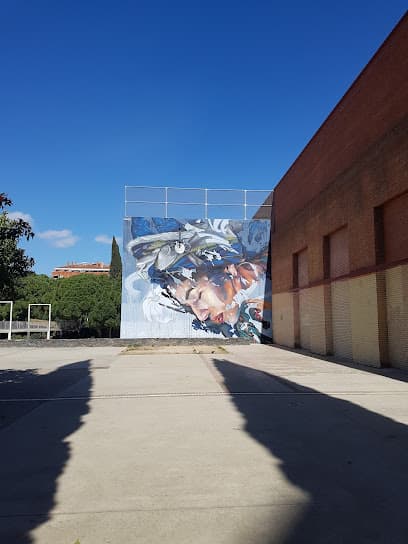
Pista de frontó
Sant Martí
A sun-baked slab of concrete where the rhythmic thwack of a ball against stone serves as the soundtrack to a neighborhood still clinging to its gritty, industrial Poblenou soul.
0.0(0)
Park
ATTRACTION
Saraya Express
Sant Martí
A specialized travel outpost tucked away in Sant Martí. Saraya Express is where the logistics of a trip to Cairo meet the grit of Barcelona’s daily grind, far from the tourist-trap fluff.
0.0(0)
Tourist attraction
Frequently Asked Questions
Is Cobertura del Carrer d'Aragó worth visiting?
Yes, if you are interested in urban planning, local Barcelona life, or escaping the tourist crowds. It offers a unique perspective on how the city has transformed its industrial infrastructure into public space.
How do I get to this part of Carrer d'Aragó?
The best way is to take the Metro (L1 or L2) to the Clot station. From there, it is a short 5-minute walk to the section of the street where the railway tracks have been covered.
What is there to do at Cobertura del Carrer d'Aragó?
It is primarily a pedestrian promenade for walking, people-watching, and enjoying a quieter side of the city. It connects the El Clot neighborhood with the rest of Sant Martí and is near several local markets and cafes.
Reviews
0 reviews for Cobertura del Carrer d'Aragó
No reviews yet. Be the first to share your experience!