4.6
72,796 verified reviews
About
To understand Parc de la Ciutadella, you have to understand that this place was born out of spite. Long before it was the city’s favorite spot to smoke weed and practice slacklining, it was a massive, star-shaped fortress built by Philip V to keep the rebellious citizens of Barcelona under his thumb. It was a symbol of oppression, a place of execution, and a constant reminder of who was boss. When the city finally got the chance to tear it down in the mid-19th century, they didn’t just remove the stones; they tried to bury the memory under a layer of dirt, trees, and a whole lot of 1888 Universal Exposition grandeur.
Today, it’s the best park in Barcelona, but it still feels like a collection of beautiful, slightly mismatched leftovers. You enter through the Arc de Triomf—a massive brick gateway that screams 'we have arrived'—and walk down a wide promenade where skaters and tourists dodge each other in a chaotic dance. The park itself is a 70-acre sprawl of gravel paths, orange trees, and the kind of Mediterranean light that makes everything look better than it actually is.
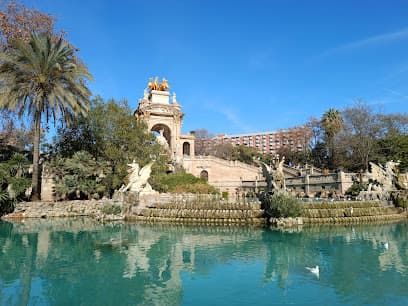
If you’re looking for the soul of the place, head to the Cascada Monumental. It’s a fountain that looks like it was designed by someone who had never heard the word 'restraint.' A young, then-unknown architecture student named Antoni Gaudí helped design the hydraulics and some of the decorative bits, and you can see the early flickers of his madness in the sheer scale of it. It’s loud, it’s gold, and it’s the perfect backdrop for a thousand Instagram photos that will never capture the actual spray of the water hitting your face.
Then there’s the weird stuff. The life-sized stone mammoth standing near the lake is a relic from a failed 1906 plan to fill the park with prehistoric beasts. It’s become a mascot for the city, a weathered giant that kids climb on while their parents try to find a patch of grass that isn't occupied by a drum circle. Nearby, the Hivernacle—the great glass and iron greenhouse—has finally emerged from years of scaffolding and rot. It’s a stunning piece of architecture that reminds you of a time when Barcelona was desperately trying to prove it was as sophisticated as Paris or London.
You’ll find the Parliament of Catalonia tucked away in one of the few surviving buildings of the old military citadel. It’s a strange juxtaposition: the heavy machinery of government operating just a few hundred yards from where people are rowing leaky wooden boats across a murky green lake. The lake is a classic tourist trap, but honestly, there’s something meditative about watching people struggle with oars while ducks look on with visible contempt.
On a Sunday afternoon, Ciutadella is at its most honest. It’s loud, it’s crowded, and it smells like a mix of saltwater, damp earth, and cheap beer. You’ve got yoga classes, capoeira circles, and old men playing petanca. It’s not a manicured, 'keep off the grass' kind of park. It’s a living room for a city that lives in cramped apartments. It’s messy, it’s historical, and it’s exactly what Barcelona needs. If you’re looking for things to do in Ciutat Vella that don't involve buying a souvenir t-shirt, this is it. Just find a bench, watch the parrots scream in the palm trees, and appreciate the fact that a place built to imprison a city is now the one place where everyone feels free.
Type
Park
Duration
1-2 hours
Best Time
Sunday afternoon for people-watching or weekday mornings for photography
What People Say
mammoth(263)arc de triomf(207)greenhouse(143)parliament(119)gaudi(109)barque(105)la mercè(58)1888(33)
Features
Park
Categories
ArchitectureHistoryNatureGaudí
Ticket Prices
Free Admission
No tickets required
Opening Hours
- Monday10 AM to 10:30 PM
- Tuesday10 AM to 10:30 PM
- Wednesday10 AM to 10:30 PM
- Thursday10 AM to 10:30 PM
- Friday10 AM to 10:30 PM
- Saturday10 AM to 10:30 PM
- Sunday10 AM to 10:30 PM
Must-See Highlights
The Cascada Monumental fountain
The life-size stone Mammoth sculpture
The Hivernacle (Greenhouse) and Umbracle (Shade house)
The lake with rowboat rentals
The Parliament of Catalonia building
Visitor Tips
Watch your belongings; like any crowded spot in Barcelona, pickpockets operate here.
The Hivernacle has recently reopened after a long renovation—it's worth a look inside.
Rent a rowboat for about €6-10 depending on the group size for a classic, if slightly cheesy, experience.
Enter through the Arc de Triomf for the most dramatic approach.
Good For
FamiliesPicnicsBudget travelersPhotography enthusiastsHistory buffs
Why Visit
The Cascada Monumental, featuring early work by a young Antoni Gaudí
A life-sized 1906 stone mammoth sculpture that has become a local icon
The site of the 1888 Universal Exposition, blending military history with modernist architecture
Nearby Landmarks
- Arc de Triomf (2-minute walk)
- El Born Cultural and Memorial Center (5-minute walk)
- Barcelona Zoo (Located within the park)
- Estació de França (5-minute walk)
Accessibility
- Wheelchair accessible paths
- Flat terrain
- Accessible restrooms near the play areas
Location
Ciutat Vella, Barcelona
Nearby Hotels
Nearby Restaurants
In Ciutat Vella
ATTRACTION
Park
Ciutat Vella
A thousand years of silence tucked behind a Romanesque monastery, where the grit of El Raval dissolves into ancient stone, cool shadows, and the heavy weight of history.
0.0(0)
Park
ATTRACTION
BARSHELONA
Ciutat Vella
Forget the plastic bulls and tacky magnets. This is where Barcelona’s soul is bottled into art, a small sanctuary of local design hidden in the shadows of the Gothic Quarter.
0.0(0)
Tourist attraction
ATTRACTION
Minajoe art
Ciutat Vella
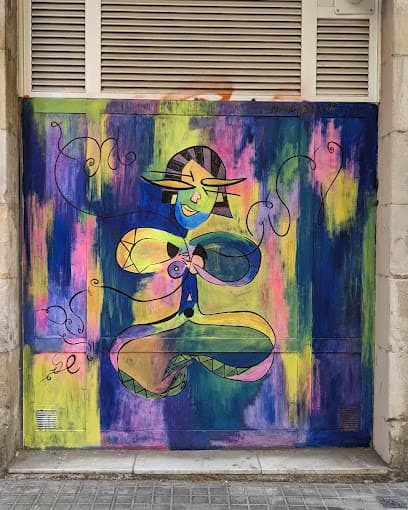
A raw, paint-splattered antidote to the sterile museum circuit. This is where pop-art meets the grit of the street, served straight from the artist’s hands in the heart of old Barcelona.
0.0(0)
Tourist attraction
Frequently Asked Questions
Is Parc de la Ciutadella worth visiting?
Absolutely. It is the city's most iconic green space, offering a mix of history, Gaudi-designed architecture, and a glimpse into local life that you won't find on La Rambla.
How much does it cost to enter Ciutadella Park?
Entry to the park is completely free. However, you will need to pay if you want to visit the Barcelona Zoo or rent a rowboat on the lake.
What is the best time to visit Parc de la Ciutadella?
Weekday mornings are best for peace and quiet. If you want to see the park in its full, chaotic glory, go on a Sunday afternoon when the drum circles and street performers are out.
Can you see the Catalan Parliament?
Yes, the Parliament is located within the park grounds in the old arsenal building. While you can see the exterior anytime, interior tours usually require advance booking.
Reviews
0 reviews for Ciutadella Park
No reviews yet. Be the first to share your experience!