4.3
1,103 verified reviews
About
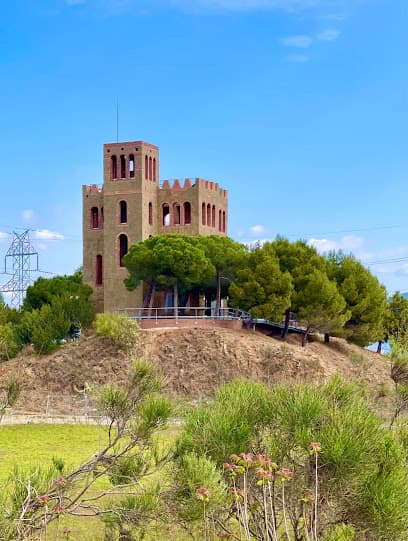
Let’s get one thing straight: this isn’t a castle. It’s a monument to a failed real estate dream, a romanticized ruin that was never actually inhabited. Built in the early 1900s as part of a grand plan for a luxury hotel and sanatorium that went belly-up before the first guest could check in, Castell de Torre Baró sits on a ridge like a lonely sentinel. It’s a fake, a stage prop of a fortress, but it’s one of the most honest places in Barcelona. While the crowds are busy elbowing each other for a glimpse of a chimney at Casa Milà, you can stand here, wind-whipped and solitary, looking at the parts of the city the tourism board usually tries to crop out of the frame.
Getting here requires effort, which is the first filter that keeps the flip-flop brigade away. You’ll likely take the Metro to Roquetes and then realize you’ve got a serious climb ahead of you, or you’ll wait for the 127 bus to crawl up the steep, winding ribs of Nou Barris. As you ascend, the Barcelona of the postcards—the Gothic spires, the grid of the Eixample—recedes. In its place, you get the raw, unvarnished reality of the city’s northern edge. This is the Barcelona of the working class, of the post-war housing blocks that march down the hillsides toward the Besòs river. It’s beautiful in its own brutal, sprawling way.
The structure itself is a shell, now serving as an environmental education center and a viewpoint. Inside, it’s sparse and functional, but the real draw is the terrace. From here, you have a 360-degree perspective that puts the entire geography of the region into context. To the north, the green lungs of the Collserola Natural Park stretch out, a wild tangle of pine and holm oak. To the south and east, the city unfolds like a grey carpet toward the Mediterranean. You can see the three chimneys of Sant Adrià de Besòs standing like industrial totems on the horizon. It’s a view that doesn't ask for your permission to be beautiful; it just is.
There’s a specific kind of silence up here, broken only by the occasional mountain biker or a local resident walking their dog. It’s a place for people who like their history with a side of failure and their views with a side of grit. You won’t find a gift shop selling plastic knights or overpriced sangria. Instead, you’ll find a few informative panels about the local flora and the history of the neighborhood’s struggle for basic services—a reminder that for the people living in the shadows of this 'castle,' life wasn't always a fairy tale.
Is Castell de Torre Baró worth it? If you want the polished, curated version of Catalonia, stay in the center. But if you want to feel the scale of this city, to see where the concrete meets the mountain, and to stand in a place that represents the stubborn resilience of Barcelona’s periphery, then yes. It’s worth every drop of sweat it takes to get here. It’s a reminder that sometimes the most interesting stories are the ones that never got finished.
Type
Castle, Environment office
Duration
1-2 hours
Best Time
Late afternoon for sunset views over the city and the Besòs valley.
Guided Tours
Available
What People Say
nature(13)disfrutar(11)hotel(11)construction(9)overlook(8)explanation(7)panoramic photography(5)privilege(5)
Features
Castle
Environment office
Hiking area
Historical landmark
Categories
ArchitectureHikingViewpointNature
Ticket Prices
Free Admission
No tickets required
Opening Hours
- Monday10 AM to 1 PM
- Tuesday10 AM to 1 PM
- Wednesday10 AM to 1 PM
- Thursday10 AM to 1 PM
- Friday10 AM to 1 PM
- Saturday10 AM to 5 PM
- Sunday10 AM to 2 PM
Must-See Highlights
The upper terrace for the 360-degree view
The historical exhibit on the failed hotel project
The 'Carretera de les Aigües' trail starting nearby
Visitor Tips
Bring water and sunscreen as there is very little shade on the hike up.
Check the wind forecast; it can get very gusty on the ridge.
Combine the visit with a hike toward the Vallvidrera reservoir for a full day in nature.
Good For
HikersPhotographersBudget travelersHistory buffsLocals
Why Visit
360-degree panoramic views of the Besòs river, the Mediterranean, and the Collserola mountains
A rare look at Barcelona's 20th-century history and working-class neighborhood development
Direct access to the wild hiking and biking trails of the Collserola Natural Park
Nearby Landmarks
- Mirador de Nou Barris (10-minute walk)
- Parc de Collserola (1-minute walk)
- Casa de l'Aigua (20-minute walk downhill)
- Parc de la Guineueta (25-minute walk)
Accessibility
- Elevator inside the tower
- Accessible information point
- Steep approach roads may be difficult for manual wheelchairs
Location
Ctra. Alta de les Roquetes, 309
Nou Barris, Barcelona
Nearby Hotels
Nearby Restaurants
In Nou Barris
ATTRACTION
Plaça Verda de la Prosperitat
Nou Barris
A concrete-and-chlorophyll middle finger to urban neglect, where Nou Barris locals reclaim their right to breathe, drink, and exist far from the suffocating Sagrada Familia crowds.
0.0(0)
Garden
ATTRACTION
Ascensor Canfranc - Paseo de Fabra y Puig 08031 Nou Barris
Nou Barris
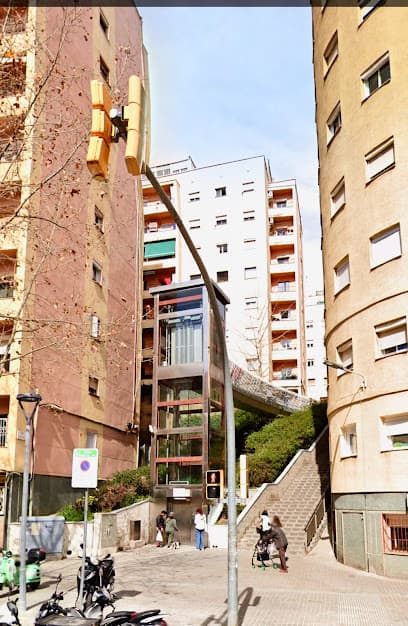
A glass-and-steel lifeline in Nou Barris that saves your knees and offers a gritty, honest view of the Barcelona tourists usually ignore. No gift shops, just gravity-defying utility.
0.0(0)
Hiking area
ATTRACTION
Carrer pimoli42
Nou Barris
The anti-tourist Barcelona. A gritty, honest stretch of Nou Barris where the Gaudí magnets disappear and the real city begins over cheap beer and the smell of rotisserie chicken.
0.0(0)
Tourist attraction
Frequently Asked Questions
Is Castell de Torre Baró worth visiting?
Yes, if you want the most expansive and honest views of Barcelona without the crowds. It's a unique spot that combines local history with access to the hiking trails of Collserola.
How do I get to Castell de Torre Baró?
Take the Metro L3 to Roquetes or L11 to Trinitat Nova, then catch the 127 bus which drops you near the entrance. Alternatively, it's a steep but rewarding 20-30 minute hike from the Roquetes station.
Is there an entrance fee for Castell de Torre Baró?
No, admission to the castle and its viewpoint is free. It currently serves as an environmental information point for the Nou Barris district.
What are the opening hours?
The exterior viewpoint is accessible anytime, but the interior and the tower access generally follow office hours, typically 10:00 to 13:00 on weekdays and slightly longer on weekends. Check the local council site for seasonal changes.
Reviews
0 reviews for Castell de Torre Baró
No reviews yet. Be the first to share your experience!