5.0
3 verified reviews
About
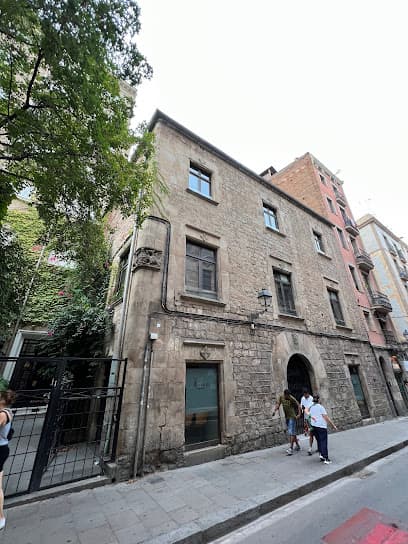
If you want the Disney version of Barcelona, stay in the Eixample or follow the cruise ship crowds into the Gothic Quarter. But if you want to see the city’s real bones—the ones that haven’t been bleached white for the tourists—you head into El Raval. Down Carrer de Sant Antoni Abat, past the scent of frying oil, the shouting in five different languages, and the general chaos of a neighborhood that refuses to be tamed, you’ll find the Antiga Casa de la Generalitat. It’s a 15th-century stone sentinel that looks like it’s seen everything and isn't particularly impressed by any of it.
Built around 1450, this wasn't a palace for kings; it was a place for the taxman. This was the 'Delegació de la Generalitat,' a bureaucratic outpost strategically placed outside the old city walls to catch the commerce coming in from the west. It was designed by Marc Safont, the same architect who worked on the much more famous Palau de la Generalitat in Plaça de Sant Jaume. But while the main palace is all pomp and circumstance, this building at number 54 is pure, functional Gothic muscle. It’s a reminder that even in the Middle Ages, the government was going to get its cut, one way or another.
The facade is a masterclass in Catalan Gothic restraint. You’ve got the weathered stone, the elegant ogee arches over the windows, and the shield of the Generalitat carved with a precision that has survived centuries of Mediterranean humidity and urban grime. It’s the kind of building that doesn't need to scream for your attention. It just sits there, anchored to the earth, while the modern world swirls around it in a blur of electric scooters and delivery bikes.
Inside, there’s a courtyard—a 'pati'—that is the architectural soul of the Mediterranean. It’s a space of light and air carved out of the dense urban fabric. For a long time, this place was closed off, a secret kept by the city. Today, it serves a much more human purpose as a community space for the neighborhood’s elderly. There’s a beautiful irony in that: a building once dedicated to the cold extraction of taxes is now a sanctuary for the people who have lived in these streets the longest. You might see a group of old men arguing over a game of cards where 15th-century clerks once tallied up shipments of wool and wine.
Visiting the Antiga Casa de la Generalitat isn't about checking a box on a 'top ten' list. It’s about the context. It’s about standing on a street that has been a thoroughfare for a thousand years and realizing that the stones under your feet have more stories than you’ll ever know. It’s one of the best things to do in El Raval if you’re tired of the polished facades and want to feel the weight of actual history. There are no gift shops here, no audio guides narrated by B-list celebrities, and no velvet ropes. It’s just a building, a street, and the persistent, thumping heart of Ciutat Vella.
Is it worth the walk? If you care about architecture that hasn't been turned into a theme park, then yes. It’s a quiet moment of dignity in a neighborhood that is often loud, messy, and misunderstood. It’s the kind of place that reminds you that Barcelona isn't just a destination; it’s a living, breathing organism that has been reinventing itself on top of these same stones for centuries. Don't just look at the building—look at the life around it. That’s where the real story is.
Type
Tourist attraction
Duration
15-30 minutes
Best Time
Weekday mornings to see the neighborhood in its natural, bustling state without the late-night Raval chaos.
What People Say
stone(2)building(2)
Features
Tourist attraction
Categories
ArchitectureGothicHistory
Ticket Prices
Free Admission
No tickets required
Must-See Highlights
The Gothic facade with its original ogee-arched windows
The stone shield of the Generalitat carved above the entrance
The internal courtyard (if accessible during community hours)
Visitor Tips
Keep your wits about you in the surrounding streets of El Raval; it's authentic but can be sketchy for the unwary.
Combine this with a visit to the nearby Sant Pau del Camp, the city's oldest church.
Look up at the stonework to see the precision of 15th-century Catalan masons.
Good For
Architecture buffsHistory nerdsSolo travelersOff-the-beaten-path explorers
Why Visit
Authentic 15th-century Catalan Gothic architecture by Marc Safont
A rare surviving example of medieval administrative architecture in El Raval
Zero tourist crowds compared to the main Palau de la Generalitat
Nearby Landmarks
- 5-minute walk from Mercat de Sant Antoni
- 3-minute walk from Rambla del Raval
- 6-minute walk from Monestir de Sant Pau del Camp
- 2-minute walk from Plaça del Pedró
Accessibility
- Viewable from the street
- Ground floor access for community center users
Location
Carrer de Sant Antoni Abat, 54
Ciutat Vella, Barcelona
Nearby Hotels
Nearby Restaurants
In Ciutat Vella
ATTRACTION
Park
Ciutat Vella
A thousand years of silence tucked behind a Romanesque monastery, where the grit of El Raval dissolves into ancient stone, cool shadows, and the heavy weight of history.
0.0(0)
Park
ATTRACTION
BARSHELONA
Ciutat Vella
Forget the plastic bulls and tacky magnets. This is where Barcelona’s soul is bottled into art, a small sanctuary of local design hidden in the shadows of the Gothic Quarter.
0.0(0)
Tourist attraction
ATTRACTION
Minajoe art
Ciutat Vella
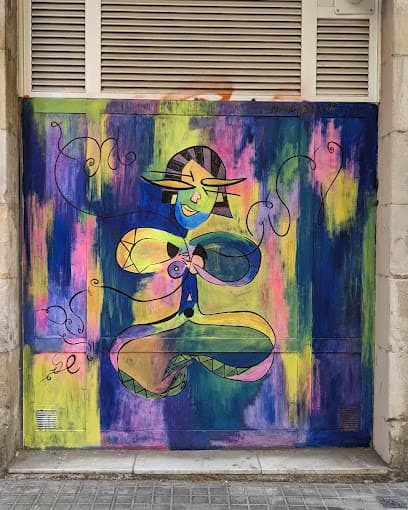
A raw, paint-splattered antidote to the sterile museum circuit. This is where pop-art meets the grit of the street, served straight from the artist’s hands in the heart of old Barcelona.
0.0(0)
Tourist attraction
Frequently Asked Questions
Is the Antiga Casa de la Generalitat open to the public?
The building primarily functions as a community center (Espai de Gent Gran), so while you can admire the stunning Gothic facade from the street, interior access is generally limited to neighborhood residents or specific cultural events.
What is the history of this building?
Built in the mid-15th century by architect Marc Safont, it served as a tax collection office for the Generalitat of Catalonia, positioned outside the city's second wall to manage trade entering the city.
Where is it located?
It is located at Carrer de Sant Antoni Abat, 54, in the El Raval neighborhood of Barcelona's Ciutat Vella, near the Plaça del Pedró.
Reviews
0 reviews for Casa de la Generalitat
No reviews yet. Be the first to share your experience!