4.5
1,168 verified reviews
About
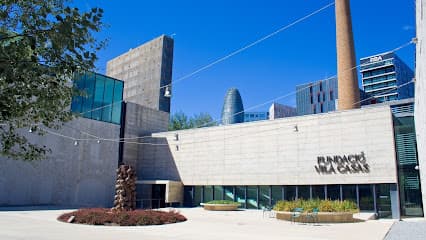
Poblenou used to be the 'Manchester of Catalonia,' a sprawling landscape of smoke, grit, and textile mills. Today, it’s the 22@ district—a shiny, glass-and-steel playground for tech startups and design firms that smells more like overpriced espresso than industrial progress. But tucked away behind the gleaming facades of Carrer de Roc Boronat is Can Framis, a ghost of the old world that refused to be exorcised. It is, quite simply, one of the best modern art museums in Barcelona, precisely because it doesn’t care if you find it or not.
The building itself is a masterclass in architectural surgery. Designed by Jordi Badia and his BAAS studio, the museum is housed in a former 18th-century wool factory. Instead of tearing it down or dressing it up in kitschy heritage drag, they wrapped the old brick in a skin of rough, grey concrete. It’s brutal, it’s silent, and it’s beautiful. Walking through the courtyard feels like stepping into a monochromatic dream where the weight of the past is physically pressed into the walls. This isn't the whimsical, colorful Barcelona of Gaudí; this is the Barcelona of labor, texture, and hard-won identity.
Inside, the Fundació Vila Casas has curated a collection of contemporary Catalan painting that dates from the 1960s to the present. There are over 300 works here, and they aren't the easy-on-the-eyes landscapes you’d find in a hotel lobby. This is art with teeth. You’ll find the heavy, earth-bound textures of Antoni Tàpies, the surrealist echoes of Joan Ponç, and the vibrant, geometric explorations of Ràfols-Casamada. The museum is organized by concept rather than chronology, forcing you to engage with the work on a visceral level. The paintings often mirror the building—layered, scarred, and unapologetically Catalan. It’s a deep dive into the psyche of a region that has spent decades defining itself through its creative output.
What makes Can Framis truly special, however, is the silence. While the crowds are currently elbowing each other for a glimpse of a Picasso sketch in the Gothic Quarter, you will likely have these galleries to yourself. The lighting is low, the floors are polished concrete, and the atmosphere is one of intense, monastic contemplation. It’s the kind of place where you can actually hear yourself think, which is a rare luxury in a city that often feels like a permanent festival. The staff is indifferent in that wonderful, professional way that suggests they respect the art more than the tourists, and the lack of a sprawling, soul-sucking gift shop is a godsend.
Is Can Framis worth visiting? If you’re looking for a checklist of famous names and a place to take a selfie with a bright background, probably not. But if you want to understand the grit and the soul of Barcelona—the parts that aren't for sale to the highest bidder—then this is mandatory. It’s a reminder that art doesn't have to be pretty to be important, and a building doesn't have to be new to be modern. It’s a quiet, grey middle finger to the gentrification happening just outside its gates, and for that alone, it deserves your time. Grab a ticket, lose yourself in the textures of the 22@ district’s quietest corner, and remember what it feels like to actually look at a painting without a screen in the way.
Type
Modern art museum, Art museum
Duration
1.5-2 hours
Best Time
Weekday mornings for near-total solitude and the best natural light in the courtyard.
Guided Tours
Available
What People Say
architecture(30)space(22)factory(19)muy interesante(14)art collection(11)contemporary painting(10)temporary exhibition(8)project(7)
Features
Modern art museum
Art museum
Exhibit
Museum
Painting
Tourist attraction
Categories
Modern ArtArchitectureCatalan CultureContemporary Art
Ticket Prices
adult€8
childFree (under 12)
senior€4
Opening Hours
- MondayClosed
- Tuesday11 AM to 6 PM
- Wednesday11 AM to 6 PM
- Thursday11 AM to 6 PM
- Friday11 AM to 6 PM
- Saturday11 AM to 6 PM
- Sunday11 AM to 2 PM
Must-See Highlights
The 'Skin' of the building: The rough concrete texture that integrates old factory brick.
Antoni Tàpies works: Masterpieces of informalism and texture.
The Monochromatic Courtyard: A minimalist space perfect for architectural photography.
The permanent collection layout: Organized by conceptual themes rather than dates.
Visitor Tips
The museum is closed on Mondays and Sunday afternoons.
Combine your visit with a walk down Rambla del Poblenou for a more local dining scene.
Check the temporary exhibition schedule; they often feature cutting-edge local photographers.
Good For
Art loversArchitecture enthusiastsSolo travelersQuiet seekers
Why Visit
Housed in a starkly reimagined 18th-century wool factory with award-winning brutalist architecture.
The most comprehensive collection of contemporary Catalan painting from the 1960s to today.
Located in the heart of the 22@ innovation district, offering a peaceful escape from the city's tech-heavy bustle.
Nearby Landmarks
- 10-minute walk from Torre Glòries
- 5-minute walk from Parc del Centre del Poblenou
- 12-minute walk from Disseny Hub Barcelona
- 18-minute walk from Bogatell Beach
Accessibility
- Fully wheelchair accessible
- Elevators to all floors
- Accessible restrooms
Location
Carrer de Roc Boronat, 116, 126
Sant Martí, Barcelona
Nearby Hotels
Nearby Restaurants
In Sant Martí
ATTRACTION
LOS CERDINS HOUSE
Sant Martí
A raw, repurposed industrial relic in the heart of Sant Martí, Los Cerdins House is a testament to the neighborhood's manufacturing soul, where red-brick history meets the sharp, creative edge of modern Barcelona.
0.0(0)
Tourist attraction
ATTRACTION
Pista de frontó
Sant Martí
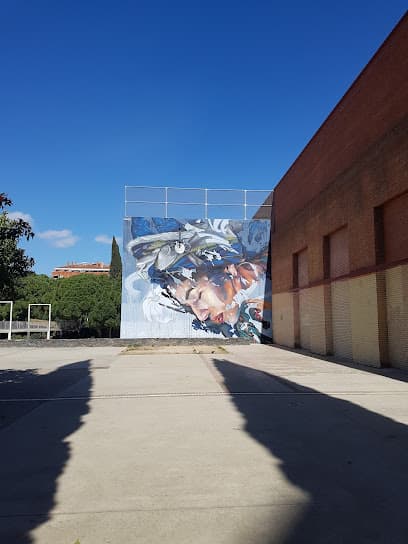
A sun-baked slab of concrete where the rhythmic thwack of a ball against stone serves as the soundtrack to a neighborhood still clinging to its gritty, industrial Poblenou soul.
0.0(0)
Park
ATTRACTION
Saraya Express
Sant Martí
A specialized travel outpost tucked away in Sant Martí. Saraya Express is where the logistics of a trip to Cairo meet the grit of Barcelona’s daily grind, far from the tourist-trap fluff.
0.0(0)
Tourist attraction
Frequently Asked Questions
Is Can Framis worth visiting?
Yes, especially for fans of brutalist architecture and contemporary art. It offers a quiet, authentic experience away from the main tourist hubs and showcases a deep collection of Catalan painting.
What should I see at Can Framis?
Focus on the permanent collection of post-1960s Catalan painting, featuring artists like Antoni Tàpies. Don't miss the building's exterior architecture, which seamlessly blends 18th-century factory walls with modern concrete.
How do I get to Can Framis?
The museum is located in Poblenou. Take the Metro Line 1 (Red) to Glòries or Line 4 (Yellow) to Poble Nou; both are about a 10-minute walk from the entrance.
How much are tickets for Can Framis?
General admission is €8, with a reduced price of €4 for students and seniors. It remains one of the more accessible high-quality museum experiences in Barcelona.
Reviews
0 reviews for Can Framis Museum
No reviews yet. Be the first to share your experience!