4.4
76 verified reviews
About
You’re walking through Sant Martí, a neighborhood defined by the kind of functional, post-war apartment blocks that make architects weep and city planners feel efficient. It’s all concrete, laundry hanging from balconies, and the low hum of a city that works for a living. Then, the air changes. The smell of exhaust and hot asphalt is suddenly cut by something primal, something that belongs in the Pyrenees, not ten minutes from a Metro stop. It’s the smell of wet hay, damp earth, and animal manure. Welcome to Can Cadena.
This isn’t a theme park. It’s not a sanitized, Disney-fied version of rural life designed to separate tourists from their Euros. Can Cadena is a Masia—a traditional Catalan farmhouse—dating back to the 18th century. It’s a stone-and-mortar survivor that watched the city rise up around it like a slow-motion tidal wave. While the rest of the old farms were bulldozed to make way for the grid, this one stayed put, a middle finger of heritage pointed at the surrounding skyscrapers. Today, it serves as an urban farm and environmental education center, and it is one of the most honest corners of Barcelona you’ll ever stumble into.
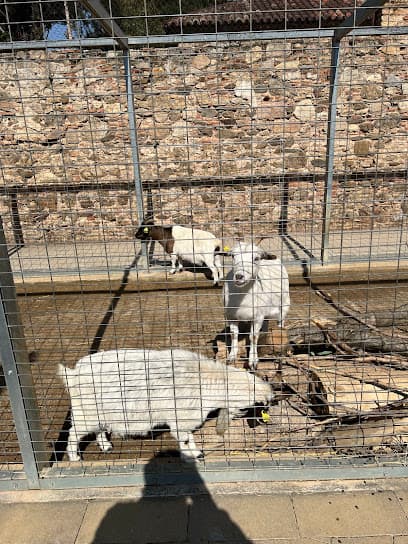
Step inside the gates and the city noise drops an octave. You’ve got sheep and goats bleating in the shadow of high-rises. There are chickens scratching at the dirt, rabbits twitching their noses, and a donkey that looks like he’s seen enough history to write a book. For a kid growing up in a city of glass and steel, seeing where a goat actually stands is a revelation. For an adult, it’s a necessary reminder that the world wasn't always paved over.
The heart of the place is the 'huertos urbanos'—the urban gardens. This isn't decorative landscaping. These are working plots where locals, mostly older men with skin like cured leather and dirt permanently etched into their fingernails, grow tomatoes, peppers, and greens that actually taste like something. There’s a composting area that smells exactly like life breaking down into its component parts. It’s messy, it’s functional, and it’s beautiful in its lack of pretension.
If you’re looking for a gift shop or a café serving oat milk lattes, keep walking. Can Cadena doesn't care about your aesthetic. It’s a place for the neighborhood. You’ll see grandmothers pointing out the sheep to toddlers, and school groups learning that eggs don't actually originate in plastic cartons. It’s part of a municipal network of environmental education, but it feels more like a community's collective memory.
Is it worth the trek out to Sant Martí? If you want to see the Barcelona that exists when the cameras aren't rolling, yes. It’s a quiet, surreal juxtaposition of the old world and the new. It’s a place where you can stand in a vegetable patch and look up at a wall of windows, realizing that the most radical thing you can do in a modern city is grow a carrot and keep a donkey. It’s free, it’s raw, and it’s a vital piece of the city’s soul that refuses to be paved over. Go there, breathe in the manure, and remember that the earth is still down there somewhere, under all that concrete.
Type
Park
Duration
1 hour
Best Time
Weekday mornings when school groups are visiting or late afternoons when locals tend to the gardens.
Guided Tours
Available
What People Say
animals(9)kitchen garden(6)for children(5)
Features
Park
Categories
Urban FarmHistoryEducationGardens
Ticket Prices
Free Admission
No tickets required
Opening Hours
- MondayClosed
- TuesdayClosed
- WednesdayClosed
- ThursdayClosed
- FridayClosed
- Saturday10 AM to 2 PM
- Sunday10 AM to 2 PM
Must-See Highlights
The traditional 18th-century Masia architecture
The community-managed organic vegetable plots
The animal pens featuring the Catalan donkey
The large-scale composting demonstration area
Visitor Tips
Check the official website for specific workshop times if you want a more hands-on experience.
Combine this with a walk through the nearby Parc de Sant Martí for a full afternoon of greenery.
Don't expect a petting zoo; the animals are for observation and education, not handling.
Good For
Families with childrenBudget travelersHistory buffsSustainability enthusiasts
Why Visit
Authentic 18th-century Masia farmhouse preserved in a modern residential district
Working urban garden and composting center managed by the local community
Rare opportunity to see farm animals like donkeys and sheep within Barcelona city limits
Nearby Landmarks
- 5-minute walk from Parc de Sant Martí
- 6-minute walk from Bac de Roda Metro Station
- 15-minute walk from Rambla de Guipúscoa
Accessibility
- Wheelchair accessible paths
- Level entrance
Location
Carrer de Menorca, 25
Sant Martí, Barcelona
Nearby Hotels
Nearby Restaurants
In Sant Martí
ATTRACTION
LOS CERDINS HOUSE
Sant Martí
A raw, repurposed industrial relic in the heart of Sant Martí, Los Cerdins House is a testament to the neighborhood's manufacturing soul, where red-brick history meets the sharp, creative edge of modern Barcelona.
0.0(0)
Tourist attraction
ATTRACTION
Pista de frontó
Sant Martí
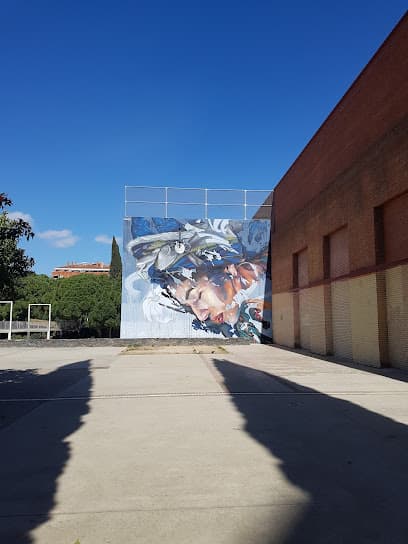
A sun-baked slab of concrete where the rhythmic thwack of a ball against stone serves as the soundtrack to a neighborhood still clinging to its gritty, industrial Poblenou soul.
0.0(0)
Park
ATTRACTION
Saraya Express
Sant Martí
A specialized travel outpost tucked away in Sant Martí. Saraya Express is where the logistics of a trip to Cairo meet the grit of Barcelona’s daily grind, far from the tourist-trap fluff.
0.0(0)
Tourist attraction
Frequently Asked Questions
Is Can Cadena worth visiting?
Yes, especially if you have children or want to see an 18th-century farmhouse standing its ground against the modern blocks of Sant Martí. It is a peaceful, free escape from the city's tourist centers.
What animals can you see at Can Cadena?
The farm is home to sheep, goats, chickens, rabbits, and a donkey, all kept as part of their environmental education program.
How much does it cost to enter Can Cadena?
Admission is completely free as it is a public municipal facility managed by the Barcelona City Council.
How do I get to Can Cadena?
The easiest way is via Metro Line 2 (Purple), getting off at the Bac de Roda station. From there, it is a short 5-minute walk.
Reviews
0 reviews for Can Cadena
No reviews yet. Be the first to share your experience!