About
Nou Barris is the part of Barcelona the tourism board doesn’t want you to see. It’s not 'charming' in the way the travel brochures define it. There are no t-shirt shops here, no overpriced sangria, and no one is going to offer you a flyer for a flamenco show. This is the real city—the one that works, sweats, and occasionally bleeds. Carrer dels Nou Pins, 4, is the threshold of this world, a place where the dense urban grid of the city finally gives up and surrenders to the rising green mass of the Collserola Natural Park.\n\nThe name 'Cabaña e Industria'—Hut and Industry—perfectly captures the soul of this neighborhood. Nou Barris was built by the hands of migrants who arrived with nothing and carved a life out of these hills. It’s a landscape of contrast: the hard, grey concrete of mid-century apartment blocks set against the wild, scrubby rosemary and Aleppo pines of the mountainside. When you stand here, you’re at the intersection of Barcelona’s industrial struggle and its natural lungs. It’s a place for people who prefer the smell of diesel and wild thyme over lavender-scented hotel lobbies.\n\nAs a hiking area, this isn't your typical manicured trail. You won't find many signposts or water fountains. What you will find is the 'best hiking Barcelona' has to offer for those who want to see the city's true topography. From this point, the trails climb steeply. Your lungs will burn, and your boots will get dusty. But as you ascend, the reward is a view of Barcelona that feels earned. You see the sprawl of the Eixample, the distant prick of the Sagrada Família, and the Mediterranean shimmering on the horizon, all framed by the rugged, unvarnished reality of the northern suburbs.\n\nThe atmosphere here is intensely local. You’ll see grandfathers in tracksuits walking their dogs, groups of teenagers hanging out on stone walls, and the occasional serious trail runner disappearing into the trees. There is a profound sense of community here that has been lost in the more 'touristic' zones. It’s a neighborhood that fought for every park, every bus line, and every street light it has. That history of resistance is baked into the very pavement.\n\nIs it worth visiting? If you’re looking for a 'gastronomic adventure' or a 'picture-perfect' sunset with a cocktail in hand, then no—stay in the Eixample. But if you want to understand the bones of this city, if you want to see where the people who actually run Barcelona live and breathe, then Cabaña e Industria is essential. It’s a reminder that the most interesting parts of a city are often found at its edges, where the industry ends and the wild begins. Bring water, wear sturdy shoes, and leave your expectations of a 'curated' experience at the metro station. This is Barcelona, raw and uncut.
Type
Hiking area
Features
Hiking area
Categories
NatureLocal HistoryUrban Exploration
Accessibility
- Limited accessibility due to steep terrain
- Paved streets at the start, but trails are rugged and uneven
Location
Carrer dels Nou Pins, 4
Nou Barris, Barcelona
Nearby
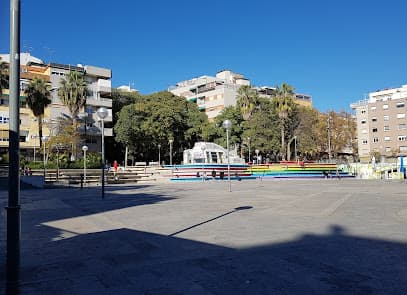
ATTRACTION
Plaça d'Ángel Pestaña
150 m · Nou Barris
The beating, concrete heart of Nou Barris where anarchy meets afternoon coffee. No Gaudí, no gift shops—just the raw, unfiltered pulse of working-class Barcelona.
4.1(1K)
Park
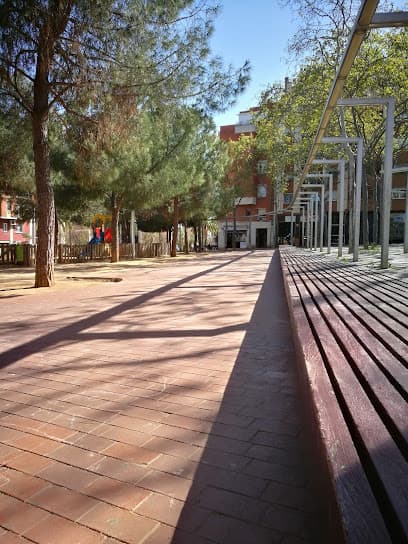
ATTRACTION
Plaça La Zona Verda de la Prosperitat
200 m · Nou Barris
The raw, beating heart of Nou Barris where the tourists don't go. A concrete-and-green victory for a neighborhood that fought for its right to breathe, drink beer, and let kids run wild.
4.0(954)
Park
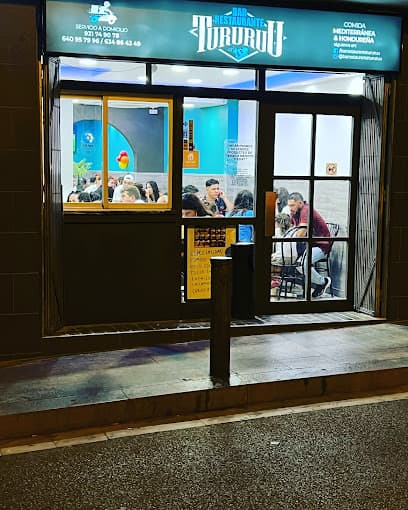
RESTAURANT
Bar Tururuu
€€50 m · Nou Barris
A tapas bar on Carrer d'Enric Casanovas in Nou Barris, open daily except Tuesday, rated 4.3 from 499 Google reviews.
4.3(499)
Tapas bar
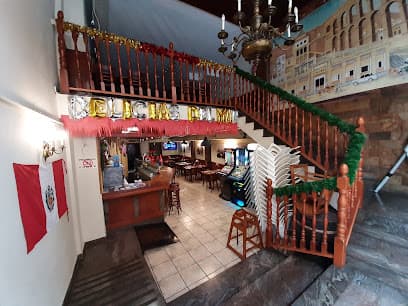
RESTAURANT
Mis Tres Regiones
50 m · Nou Barris
Deep in Nou Barris, this is Peruvian soul food without the Eixample price tag—a loud, honest temple of lime-cured fish and stir-fried beef for the neighborhood's working class.
4.1(155)
Restaurant
HOTEL
Hostelle Barcelona
€300 m · Nou Barris
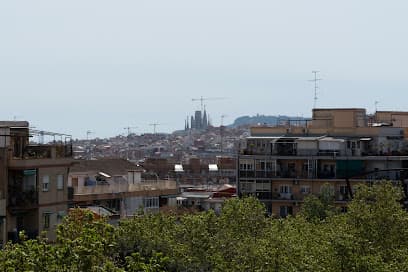
A female-only sanctuary in the gritty, real-deal neighborhood of Nou Barris. No tourist traps here—just clean bunks, a shared kitchen, and the L4 metro to whisk you into the chaos.
4.3(146)
Youth hostel
HOTEL
ibis Barcelona Meridiana
€750 m · Nou Barris
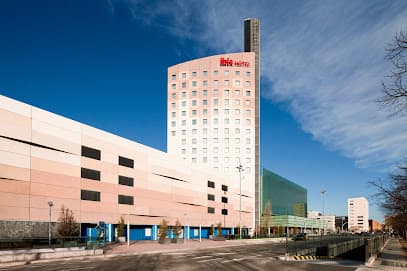
A two-star ibis on Passeig d'Andreu Nin in Nou Barris with paid parking, rated 4.1 from 2,439 Google reviews that mention the metro and a shopping centre.
4.1(2K)
Hotel
Frequently Asked Questions
Is Cabaña e Industria worth visiting?
Yes, if you want an authentic, non-touristy look at Barcelona's industrial roots and access to rugged hiking trails in the Collserola mountains. It is not a traditional tourist attraction with amenities.
How do I get to Carrer dels Nou Pins?
The easiest way is to take the L4 Metro (Yellow Line) to the Llucmajor or Via Júlia stations, followed by a short walk uphill toward the mountains.
What should I bring for hiking in this area?
Wear sturdy hiking shoes as the trails are steep and rocky. Bring plenty of water and sun protection, as there are few facilities once you enter the park area.
Reviews
0 reviews for Cabaña e industria
No reviews yet. Be the first to share your experience!