5.0
2 verified reviews
About
Les Corts is a neighborhood that most tourists only see through the window of a moving bus on their way to worship at the altar of Camp Nou. It’s a place of wide avenues, functional apartment blocks, and the kind of middle-class stability that doesn’t usually make it into the glossy travel brochures. But if you peel back the layers of 20th-century development, you find ghosts. One of the most imposing is the Bellaombra de can Rosés.
Standing in the middle of the Plaça de Can Rosés, this isn’t just a tree; it’s a botanical anomaly, a massive Phytolacca dioica—commonly known as an Ombú. To the uninitiated, it looks like something out of a dark fairy tale. The trunk doesn’t so much grow as it spills across the ground, a riot of grey, wrinkled bark that resembles the folded skin of an ancient elephant or a pile of melting wax. It’s grotesque, beautiful, and utterly indifferent to the city that has grown up around it.
The tree takes its name, 'Bellaombra' (Beautiful Shade), from the literal refuge it provides. In the height of a Mediterranean July, when the sun is trying to bake the pavement into submission, the canopy of this thing creates a microclimate of cool, heavy air. It’s a place to disappear for a moment. The tree sits in the courtyard of what was once the Can Rosés farmhouse, a structure dating back to 1716. Back then, this was all fields and dust. The Rosés family were farmers, and this tree was likely planted in the late 19th century when the farmhouse was renovated into the stately manor you see today.
In the 1990s, the city turned the old house into the Biblioteca Can Rosés, a public library. It was a rare moment of municipal sanity—preserving the bones of the old world while giving it a job to do. Now, the square is a quiet collision of worlds. You’ve got students from the library sitting on the stone benches, their faces buried in textbooks, oblivious to the fact that they’re sitting under a giant South American herb (technically, the Ombú isn't a tree, but an overgrown plant with tissues that don't produce wood). You’ve got old men who remember when this neighborhood felt like a village, and pigeons who treat the massive, gnarled roots like a private playground.
Is it worth the trek? If you’re looking for the 'best things to do in Barcelona' and your list is limited to Gaudí and sangria, probably not. There are no gift shops here. No one is going to sell you a miniature plastic version of the tree. But if you want to understand the soul of Les Corts—the way the rural past refuses to be completely paved over—then yes, it’s essential. It’s a reminder that before the malls and the stadiums, there was the land, the farmhouse, and the shade.
Walk here from the L'Illa Diagonal shopping center. The transition from the high-end retail glitz to the hushed, leafy silence of Plaça de Can Rosés is a palate cleanser for the soul. It’s one of those rare spots where you can actually hear yourself think, away from the frantic energy of the Gothic Quarter. Sit on the stone wall, look at the way the roots have buckled the earth, and appreciate the fact that some things in this city are still allowed to just exist, growing fat and weird in the sun.
Type
Garden
Features
Garden
Categories
NatureHistoryBotanyLibrary
Accessibility
- Wheelchair accessible square
- Level ground around the tree
- Accessible library entrance
Location
Plaça de Can Rosés
Les Corts, Barcelona
Nearby
ATTRACTION
Plaça de Can Rosés
50 m · Les Corts
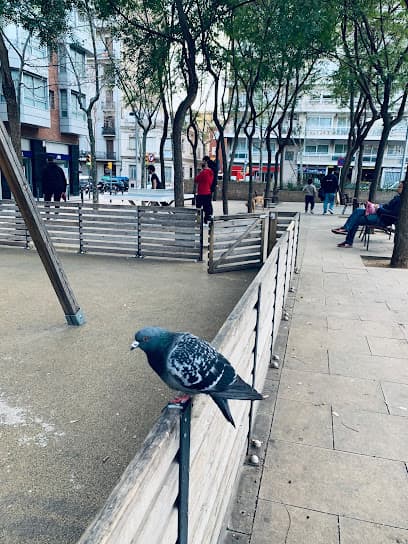
A concrete-and-gravel slice of real Les Corts life where the ghosts of 18th-century farmers watch kids play ping-pong in the shadow of a library that used to be a masia.
4.0(101)
Park
ATTRACTION
Plaça de les Corts
250 m · Les Corts
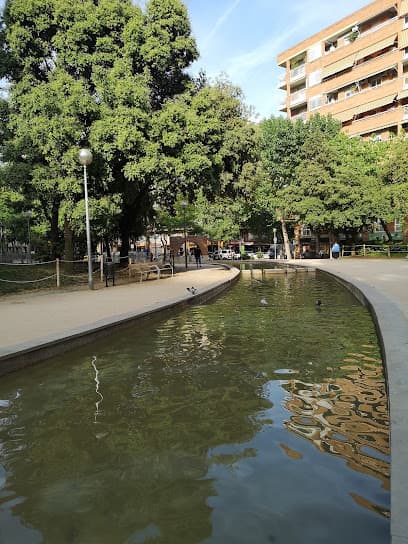
A gritty, honest slice of Les Corts where the scent of pine mixes with cheap beer and the relentless energy of neighborhood kids. No Gaudí here, just real life.
4.1(718)
Park
RESTAURANT
Dolcevita Signature
€€50 m · Les Corts
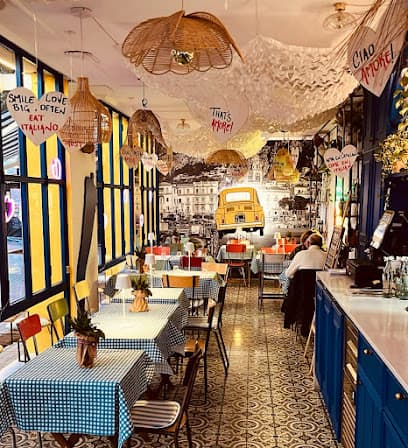
Forget the tourist-trap pasta in the Gothic Quarter; this is where Les Corts hides its real Italian soul, dripping in guanciale fat, pecorino, and a borderline-obsessive amount of pistachio.
4.6(1K)
RestaurantItalian restaurant
RESTAURANT
Lagman Restaurant
50 m · Les Corts
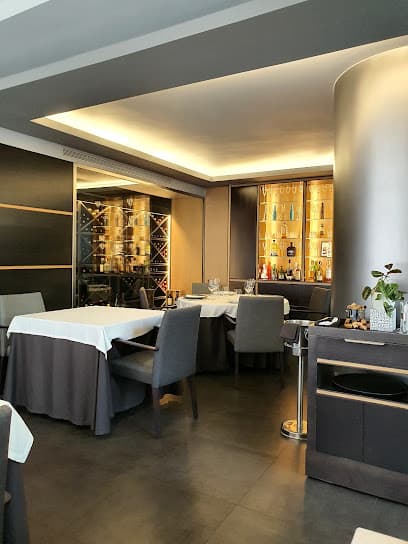
A stripped-back sanctuary in Les Corts where the market dictates the menu and the cheesecake is a religious experience. No fluff, just high-end product and serious Mediterranean soul.
4.6(314)
RestaurantMediterranean restaurant
HOTEL
Albergue Pere Tarrés Barcelona - Youth Hostel en Barcelona
€100 m · Les Corts
A concrete slab of utilitarian reality in Les Corts. No frills, no hipster posturing—just cheap beds, ensuite showers, and the looming shadow of Camp Nou for the budget-conscious traveler.
3.6(1K)
HostelHotel

HOTEL
Hotel NH Collection Barcelona Constanza
€€150 m · Les Corts
A four-star NH Collection hotel on Carrer de Déu i Mata in Les Corts with a spa and outdoor pool, rated 4.4 from 3,022 Google reviews.
4.4(3K)
Hotel
Frequently Asked Questions
Is Bellaombra de can Rosés worth visiting?
Yes, if you appreciate quiet, off-the-beaten-path history and nature. It's one of the most impressive monumental trees in the city and offers a peaceful break from the tourist crowds.
What is a Bellaombra?
It is the Catalan name for the Ombú tree (Phytolacca dioica), known for its massive, gnarled trunk and wide canopy that provides 'beautiful shade.'
How do I get to Plaça de Can Rosés?
The easiest way is via Metro Line 3 (Green), getting off at the Les Corts station. From there, it's a short 5-minute walk to the square.
Can I go inside the building next to the tree?
Yes, the building is the Can Rosés Public Library. It's free to enter during its operating hours, and it's a great example of a renovated 18th-century farmhouse.
Reviews
0 reviews for Bellaombra de can Rosés
No reviews yet. Be the first to share your experience!