3.9
26 verified reviews
About
The Raval has always been a place of friction. Before it was the playground for skaters at MACBA and the home of overpriced vintage shops, it was the 'Barrio Chino'—a dense, sweating labyrinth of vice, industry, and crushing poverty. If you want to understand the soul of this neighborhood, you don't look at the street art. You look at the wall on Carrer de les Ramelleres, number 7. There, embedded in the stone like a scar that won't fade, is a wooden revolving cylinder known as the Torn dels Orfes, or the Foundling Wheel.
This isn't a 'tourist attraction' in any sense that makes a PR person happy. It’s a hole in the wall. It’s a mechanism of desperation. From the mid-19th century until the 1930s, this was the end of the line for thousands of parents who had run out of options. If you were a mother in Barcelona and you couldn't feed your child, or if the child was the 'shameful' result of an affair, you came here under the cover of darkness. You placed the infant in the wooden cradle, rang a bell, and gave the wheel a turn. On the other side, inside the Casa de la Misericòrdia, a nun from the Sisters of Charity would hear the bell, spin the wheel, and take the child into the orphanage. No questions asked. No names exchanged. Total, brutal anonymity.
Standing in front of it today, you can still see the worn grain of the wood. It’s surprisingly small. You realize just how tiny a human being has to be to fit into that space. There’s a slot next to it for 'alms'—a place to drop a few coins to help the sisters buy milk or wool. It’s a visceral reminder that for most of human history, 'social safety net' meant a wooden box and the hope that a stranger had more mercy than the world did. The building itself, the Casa de la Misericòrdia, dates back to the 16th century, but the wheel is the part that stays with you. It’s a piece of functional architecture designed for heartbreak.
Most people walk right past it. They’re heading to the contemporary art museum or looking for a brunch spot. But if you stop, the silence of the street starts to feel heavy. You start to imagine the sound of that wheel turning—the dry, wooden creak that signaled the permanent severing of a bloodline. It’s one of the few places in Barcelona where the history hasn't been polished for consumption. It’s just there, raw and indifferent to your feelings.
Is it worth visiting? If you give a damn about the people who actually built this city—the ones who didn't have their names carved into marble—then yes. It takes five minutes. It costs nothing. But it will sit in the back of your mind for the rest of the day, a cold counterweight to the sun-drenched tapas and cava of the Gothic Quarter. It’s a reminder that the 'good old days' were often terrifying, and that the city we see today is built on top of layers of survival. Don't look for a gift shop. There isn't one. Just look at the wood, think about the hands that turned it, and move on. The Raval doesn't owe you an explanation, and the Torn dels Orfes certainly doesn't owe you a smile.
Type
Historical landmark, Tourist attraction
Duration
10-15 minutes
Best Time
Daylight hours are best to see the detail of the wood and read the historical plaque.
What People Say
orphanage(2)wooden(2)
Features
Historical landmark
Tourist attraction
Categories
HistorySocial HeritageRavalArchitecture
Ticket Prices
Free Admission
No tickets required
Opening Hours
- MondayOpen 24 hours
- TuesdayOpen 24 hours
- WednesdayOpen 24 hours
- ThursdayOpen 24 hours
- FridayOpen 24 hours
- SaturdayOpen 24 hours
- SundayOpen 24 hours
Must-See Highlights
The wooden revolving cylinder (The Torn)
The 'Alms' slot for donations
The historical plaque explaining the Casa de la Misericòrdia
Visitor Tips
It is very easy to walk past; look for the wooden hatch set into the stone wall.
Combine this with a visit to the nearby MACBA for a contrast between old and new Raval.
Respect the quiet nature of the street as it is now a residential and administrative area.
Good For
History buffsSolo travelersBudget travelersPhotography
Why Visit
Original 19th-century wooden foundling wheel mechanism
A rare, unpolished relic of Barcelona's social and religious history
Located in the heart of the Raval, offering a stark contrast to modern tourist sites
Nearby Landmarks
- MACBA (Museum of Contemporary Art) - 3-minute walk
- CCCB (Centre de Cultura Contemporània de Barcelona) - 4-minute walk
- Plaça de Catalunya - 7-minute walk
- La Boqueria Market - 8-minute walk
Accessibility
- Street-level access
- Wheelchair accessible sidewalk
Location
Carrer de les Ramelleres, 7
Ciutat Vella, Barcelona
Nearby Hotels
Nearby Restaurants
In Ciutat Vella
ATTRACTION
Park
Ciutat Vella
A thousand years of silence tucked behind a Romanesque monastery, where the grit of El Raval dissolves into ancient stone, cool shadows, and the heavy weight of history.
0.0(0)
Park
ATTRACTION
BARSHELONA
Ciutat Vella
Forget the plastic bulls and tacky magnets. This is where Barcelona’s soul is bottled into art, a small sanctuary of local design hidden in the shadows of the Gothic Quarter.
0.0(0)
Tourist attraction
ATTRACTION
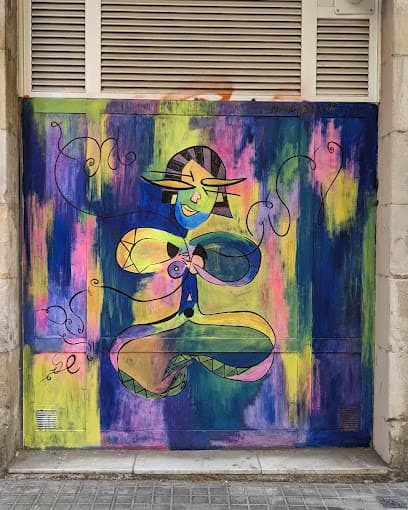
Minajoe art
Ciutat Vella
A raw, paint-splattered antidote to the sterile museum circuit. This is where pop-art meets the grit of the street, served straight from the artist’s hands in the heart of old Barcelona.
0.0(0)
Tourist attraction
Frequently Asked Questions
Is Barcelona's Baby Drop-off worth visiting?
Yes, if you appreciate somber, authentic social history. It is a quick, free stop that provides a powerful look into the city's past, though it is not a traditional 'entertainment' attraction.
What exactly is the Torn dels Orfes?
It is a 19th-century wooden foundling wheel used by the Casa de la Misericòrdia orphanage to allow parents to anonymously leave infants they could not care for.
How much does it cost to see the Baby Drop-off?
It is completely free. The wheel is located on a public exterior wall on Carrer de les Ramelleres and can be viewed from the sidewalk at any time.
Where is the Baby Drop-off located?
It is located at Carrer de les Ramelleres, 7, in the Raval neighborhood, just a few minutes' walk from the MACBA museum and Plaça de Catalunya.
Reviews
0 reviews for Barcelona's Baby Drop-off
No reviews yet. Be the first to share your experience!