
4.4
12,304 verified reviews
About
At the very bottom of La Rambla, just before the city spills into the Mediterranean and the human zoo of street performers and pickpockets finally starts to thin out, sits a fortress of stone and shadow. This isn't your typical, sterile white-box gallery where you whisper and look at oil paintings of dead aristocrats. The Museu Marítim de Barcelona is housed in the Drassanes Reials—the Royal Shipyards. It is a cavernous, 13th-century cathedral of industry, a place built for the sole purpose of putting wood in the water and men in the ground.
Walking into the Drassanes is a physical experience. The air changes. It’s cooler, heavier, smelling of damp stone and ancient dust. You are standing under massive Gothic arches that have held up the weight of Catalan history for seven hundred years. This was the heartbeat of the Crown of Aragon, a factory that churned out the warships that once dominated the Mediterranean. It’s raw, it’s functional, and it’s beautiful in a way that modern architecture rarely dares to be. If you’re looking for things to do in Ciutat Vella that don't involve buying a cheap sombrero, this is where you go to find the city’s soul.
The undisputed heavyweight champion of the museum is the Galera Reial. It’s a full-scale, blood-red and gold-leafed replica of the flagship that led the Christian fleet at the Battle of Lepanto in 1571. It is a terrifying, magnificent beast of a boat. You look at the length of those oars and you don’t think about the glory of empire; you think about the poor bastards chained to them, rowing until their hearts gave out while the air filled with the smell of gunpowder and salt. It’s a visceral reminder that history wasn't written in ink, but in sweat and timber. The scale of the thing, sitting there in the middle of the shipyard, makes everything else in the room look like a toy.
But don’t just gawk at the big boat and leave. The museum is packed with the detritus of a seafaring obsession: intricate scale models that would make a grown man weep, yellowed navigational charts that once guided explorers into the unknown, and early diving suits that look like something out of a steampunk nightmare. It’s a deep dive into how Barcelona became Barcelona. You see the evolution from primitive fishing boats to the massive steamships that eventually turned the port into a global hub. It’s honest history, presented without the glossy PR sheen you find at the more commercial attractions near the beach.
Is the Barcelona Maritime Museum worth it? Absolutely. Even if you don’t give a damn about boats, the building itself is worth the price of admission. It’s one of the best-preserved examples of civil Gothic architecture in the world. It’s a place that demands respect. It’s also one of the few spots in the city center where you can actually hear yourself think. The crowds are thinner here, the pace is slower, and the shadows are longer.
When you’re done, skip the tourist traps on the Rambla and head to the museum’s own café, Norai. It’s a legitimate spot where locals actually eat, serving up solid Mediterranean fare without the 'tourist menu' bullshit. Sit there, have a glass of vermouth, and look up at those arches. This is the Barcelona that existed long before the cruise ships arrived—a city built on salt, wood, and the relentless desire to see what was over the horizon.
Type
Maritime museum, Museum
Duration
1.5-2 hours
Best Time
Sunday after 3:00 PM for free entry, or weekday mornings to avoid school groups.
Guided Tours
Available
Audio Guide
Available
What People Say
galley(313)scale models(134)maritime history(100)shipyard(95)navigation(67)battle of lepanto(65)galleon(50)m.c. escher(29)
Features
Maritime museum
Museum
Shipyard
Tourist attraction
Categories
Maritime HistoryGothic ArchitectureNaval HistoryShipyards
Ticket Prices
adult€10
childFree under 14
senior€5
Opening Hours
- Monday10 AM to 7 PM
- Tuesday10 AM to 7 PM
- Wednesday10 AM to 7 PM
- Thursday10 AM to 7 PM
- Friday10 AM to 7 PM
- Saturday10 AM to 7 PM
- Sunday10 AM to 7 PM
Must-See Highlights
The Galera Reial (Royal Galley) flagship replica
The 13th-century Gothic arches of the Drassanes
The Santa Eulàlia schooner (moored at Moll de la Fusta)
Collection of 18th-century figureheads
The 'Seven Seas' interactive navigation exhibit
Visitor Tips
Your museum ticket often includes access to the Santa Eulàlia schooner located a short walk away in the harbor.
Eat at the on-site restaurant, Norai; it's surprisingly high quality for a museum café and popular with locals.
Check the temporary exhibition schedule, as they often host world-class photography or naval archaeology displays.
The museum is very cool inside, making it a perfect escape during the sweltering Barcelona summer heat.
Good For
History buffsFamilies with childrenArchitecture enthusiastsBudget travelers (on Sundays)
Why Visit
Housed in the Drassanes Reials, the world's most complete medieval shipyard
Home to the Galera Reial, a stunning full-scale replica of a 1571 war galley
Located in a massive Gothic structure that avoids the typical museum 'stuffy' vibe
Nearby Landmarks
- 3-minute walk from the Christopher Columbus Monument
- 1-minute walk from the bottom of La Rambla
- 5-minute walk from Port Vell
- 10-minute walk from Güell Palace
Accessibility
- Wheelchair accessible
- Elevators available
- Accessible restrooms
Location
Av. de les Drassanes, s/n
Ciutat Vella, Barcelona
Nearby Hotels
Nearby Restaurants
In Ciutat Vella
ATTRACTION
Park
Ciutat Vella
A thousand years of silence tucked behind a Romanesque monastery, where the grit of El Raval dissolves into ancient stone, cool shadows, and the heavy weight of history.
0.0(0)
Park
ATTRACTION
BARSHELONA
Ciutat Vella
Forget the plastic bulls and tacky magnets. This is where Barcelona’s soul is bottled into art, a small sanctuary of local design hidden in the shadows of the Gothic Quarter.
0.0(0)
Tourist attraction
ATTRACTION
Minajoe art
Ciutat Vella
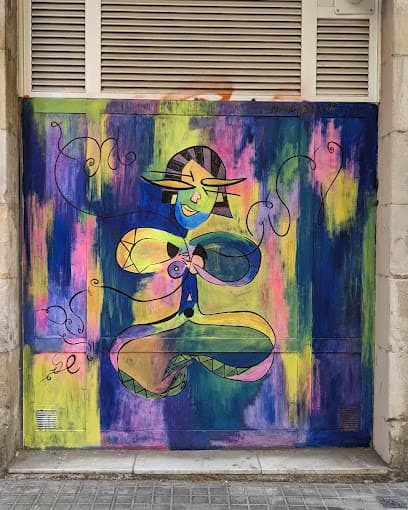
A raw, paint-splattered antidote to the sterile museum circuit. This is where pop-art meets the grit of the street, served straight from the artist’s hands in the heart of old Barcelona.
0.0(0)
Tourist attraction
Frequently Asked Questions
Is the Barcelona Maritime Museum worth visiting?
Yes, especially for the architecture. The 13th-century Royal Shipyards are a Gothic masterpiece, and the full-scale Royal Galley is one of the most impressive museum exhibits in Spain.
When is the Barcelona Maritime Museum free?
The museum offers free admission every Sunday after 3:00 PM. It is a great way to see the site without the €10 entry fee, though it can get busier during these hours.
How long do you need at the Maritime Museum?
Plan for about 1.5 to 2 hours. This gives you enough time to admire the Royal Galley, explore the medieval shipyards, and look through the extensive collection of nautical models and maps.
What should I see at the Barcelona Maritime Museum?
The must-see highlight is the Galera Reial, a massive replica of a 16th-century warship. Also, don't miss the medieval Drassanes architecture and the historic schooner Santa Eulàlia moored nearby in the harbor.
Reviews
0 reviews for Barcelona Maritime Museum
No reviews yet. Be the first to share your experience!