5.0
10 verified reviews
About
Barcelona is a city of layers, most of them stained with wine, olive oil, or history. But there’s a sweeter, darker vein running through these ancient streets that most tourists walk right over without a second thought. We’re talking about cacao. This isn’t about those gold-wrapped industrial bricks you find at the airport. This is about the port where the world changed—where the first beans from the Americas landed and transformed Europe from a collection of backwater kingdoms into a continent obsessed with a bitter, medicinal sludge that eventually became the food of gods.
Barcelona Chocolate Tours doesn’t give you the sanitized, plastic-wrapped version of this story. They take you into the gut of Ciutat Vella, through the narrow, damp alleys of the Gothic Quarter and El Born, where the air still smells like old stone and secrets. You meet at the edge of the port, a reminder that everything good in this city came from the sea. From there, it’s a sugar-fueled odyssey led by people who actually give a damn about the provenance of a bean. You aren’t just eating; you’re excavating the culinary soul of Catalonia.
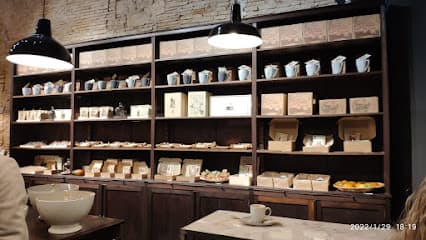
You’ll find yourself standing in shops that have been around since your great-grandfather was a glimmer in someone’s eye. Places like Fargas, where the old machinery still hums, or the secluded granjas where the 'Xocolatada'—that thick, spoon-standing chocolate—is served with the reverence of a religious rite. You’ll tear into melindros, those light-as-air ladyfingers designed specifically to soak up the dark gold at the bottom of your cup. It’s a protein rush to the cortex, a sensory overload that makes you realize everything you thought you knew about 'candy' was a lie.
The guides here—often led by experts like Victoria—don’t recite a script. They tell stories. They talk about the Guild of Chocolate Makers, the 18th-century obsession with chocolate pots, and how the Spanish court tried to keep the recipe a secret. It’s the kind of specific, gritty detail that separates a real experience from a tourist trap. You’ll learn why the chocolate here tastes different—less about the milk and more about the raw, unadulterated power of the cacao itself. It’s honest, it’s visceral, and it’s occasionally overwhelming.
Is it a lot of walking? Yeah. Is it a lot of sugar? Absolutely. If you’re looking for a light snack or a quick photo op, go find a gelato stand on La Rambla and leave the rest of us alone. But if you want to understand why Barcelona is the true chocolate capital of the Mediterranean, you put on some comfortable shoes and you follow the scent of roasting beans. You’ll see the city through a different lens—one that’s a little stickier, a little darker, and infinitely more interesting.
By the time you’re done, you’ll be vibrating on a different frequency. You’ll walk past the mass-produced chocolate shops with a newfound sense of pity. This tour is for the curious, the hungry, and the ones who understand that to truly know a city, you have to eat its history. It’s a masterclass in the city's cacao heritage that hits harder than any generic tourist walk. Just don’t expect to want dinner anytime soon.
Type
Chocolate shop, Chocolate cafe
Duration
2-3 hours
Best Time
Morning tours are best to avoid the afternoon crowds in the Gothic Quarter and to catch the shops when the chocolate is freshest.
Guided Tours
Available
What People Say
family(3)tour guide(2)learned(2)
Features
Chocolate shop
Chocolate cafe
Tour agency
Tourist attraction
Categories
Food ToursCulinary HistoryChocolate ShopWalking Tours
Ticket Prices
adult€55
child€35
senior€50
Opening Hours
- Monday10 AM to 7 PM
- Tuesday10 AM to 7 PM
- Wednesday10 AM to 7 PM
- Thursday10 AM to 7 PM
- Friday10 AM to 7 PM
- Saturday10 AM to 7 PM
- Sunday10 AM to 3 PM
Must-See Highlights
Traditional 'Chocolate a la Taza' tasting
Historic chocolate-making machinery at Fargas
The hidden courtyards of the Gothic Quarter
The evolution of cacao from bean to bar
Visitor Tips
Skip breakfast; the tastings are generous and very rich.
Bring a bottle of water to cleanse your palate between different types of chocolate.
The tour meets near the port, so arrive early to enjoy the sea breeze before heading into the narrow city streets.
Good For
FoodiesHistory BuffsFamiliesCouples
Why Visit
Historical Port Connection: Focuses on Barcelona's unique history as the first European port to receive cacao.
Artisan Access: Visits centuries-old chocolate shops and hidden 'granjas' that tourists rarely find.
Expert Storytelling: Led by local experts who focus on the cultural and social impact of chocolate, not just the sugar.
Nearby Landmarks
- 5-minute walk from Museu d'Història de Catalunya
- 8-minute walk from Port Vell
- 12-minute walk from Basilica of Santa Maria del Mar
- 15-minute walk from Barceloneta Beach
Accessibility
- Mostly walking on flat but uneven cobblestone streets
- Some historic shops have narrow entrances
Location
Carrer de l'Escar, 26
Ciutat Vella, Barcelona
Nearby Hotels
Nearby Restaurants
In Ciutat Vella
ATTRACTION
Park
Ciutat Vella
A thousand years of silence tucked behind a Romanesque monastery, where the grit of El Raval dissolves into ancient stone, cool shadows, and the heavy weight of history.
0.0(0)
Park
ATTRACTION
BARSHELONA
Ciutat Vella
Forget the plastic bulls and tacky magnets. This is where Barcelona’s soul is bottled into art, a small sanctuary of local design hidden in the shadows of the Gothic Quarter.
0.0(0)
Tourist attraction
ATTRACTION
Minajoe art
Ciutat Vella
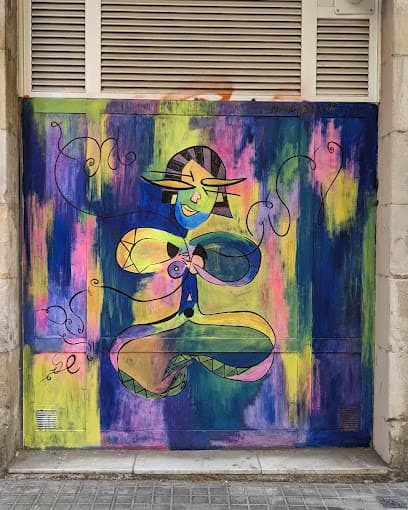
A raw, paint-splattered antidote to the sterile museum circuit. This is where pop-art meets the grit of the street, served straight from the artist’s hands in the heart of old Barcelona.
0.0(0)
Tourist attraction
Frequently Asked Questions
Is the Barcelona Chocolate Tour worth it?
Yes, if you value history over hype. It’s a deep dive into the city's role as the gateway for cacao in Europe, featuring tastings at historic shops you'd likely miss on your own.
What should I expect to eat on the tour?
Expect a variety of high-quality chocolates, traditional 'chocolate a la taza' (thick hot chocolate), and local pastries like melindros or churros from centuries-old establishments.
How much walking is involved?
The tour involves about 2 to 3 hours of walking through the narrow streets of the Gothic Quarter and El Born. Wear comfortable shoes and be prepared for uneven cobblestones.
Do I need to book in advance?
Absolutely. These are small-group tours led by expert guides, and they fill up quickly, especially during the peak spring and autumn seasons.
Reviews
0 reviews for Barcelona Chocolate Tours
No reviews yet. Be the first to share your experience!