5.0
1 verified reviews
About
Forget the gingerbread houses of Gaudí and the manicured lawns of the Ciutadella for a second. This is where Barcelona’s industrial soul went to get a lobotomy and a high-end facelift. Parc de Diagonal Mar isn’t a park in the traditional sense; it’s a skeletal, metallic landscape that feels like it was dropped here by a passing starship. Built on the site of the old Macosa factory—a place that once hummed with the grease and iron of railway construction—it now stands as a 14-hectare testament to the city’s obsession with the 'New Barcelona' that emerged around the 2004 Forum of Cultures.
The first thing that hits you isn't the greenery, but the tubes. Massive, winding, stainless steel pipes spider their way across the park like the exposed veins of some subterranean beast. This was the vision of the late Enric Miralles and Benedetta Tagliabue, a design that is as much about plumbing as it is about poetry. These aren't just for show; they are the park's 'lungs,' carrying groundwater to irrigate the vegetation. It’s functional art that looks like a plumber’s fever dream, coiling around suspended plant pots and dipping into the central lake. It’s weird, it’s polarizing, and it’s unapologetically modern.
If you’re looking for a quiet place to read a book, you might find it near the lake where the ducks and geese ignore the avant-garde architecture in favor of the water. But the real heart of the place is the sound of screaming—the good kind. The park is famous for its giant slides. These aren't the plastic, primary-colored things you find in a suburban mall. They are wide, concrete, and terrifyingly fast. You’ll see entire families—grandparents included—barreling down them on pieces of cardboard. It’s a visceral, low-tech thrill in a high-tech setting. If you didn't bring cardboard, look around; there’s usually a discarded stash near the top of the hill left by locals who know the secret to maximum velocity.
Then there are the 'Lungomare' benches. Sinuous, wave-like concrete structures that snake through the park, offering a place to sit that feels like resting on the back of a stone serpent. They mirror the Mediterranean, which sits just a few hundred yards away, separated only by the coastal ring road and a pedestrian bridge. You can smell the salt in the air here, mixing with the dry, dusty scent of the Sant Martí district. It’s a neighborhood in transition, where luxury high-rise glass towers look down on the remnants of Poblenou’s gritty industrial heritage.
Is it beautiful? That depends on your definition. It’s not 'pretty' in the way the Rose Garden at Cervantes is pretty. It’s stark. It’s concrete-heavy. It’s a bit alien. But it’s honest. It represents a city that refused to stay stuck in the 19th century. It’s a place where you can see the ambition of Barcelona laid bare—the desire to be sustainable, original, and slightly uncomfortable. It’s one of the best parks in Barcelona for anyone who is tired of the tourist-clogged center and wants to see how the city actually lives and breathes in the 21st century.
Come here in the late afternoon when the sun hits the steel tubes and turns the whole place into a shimmering, metallic web. Watch the skaters, the calisthenics junkies on the bars, and the kids flying down the concrete. It’s a slice of the real Sant Martí—a bit cold, a bit strange, but entirely unique. It’s the kind of place that reminds you that travel isn't just about seeing the old stuff; it's about seeing how a city reinvents itself from the ashes of its own factories.
Type
Park
Duration
1-2 hours
Best Time
Late afternoon or sunset to see the light reflecting off the steel structures.
Features
Park
Categories
ArchitectureModernismSustainable DesignFamily Activities
Ticket Prices
Free Admission
No tickets required
Must-See Highlights
The giant concrete slides on the grassy hill
The 'Lungomare' wave-shaped benches
The central lake with its water-spraying sculptures
The 150-year-old Canary Islands dragon tree
Visitor Tips
Scavenge for cardboard near the slides if you didn't bring your own.
The park is very sunny with limited shade in some areas, so bring sunscreen.
Combine your visit with the nearby Museu Blau for a full afternoon in Sant Martí.
Good For
FamiliesArchitecture loversSkatersDog ownersFitness enthusiasts
Why Visit
Miralles' 'Tubular Lungs' sustainable irrigation system
Giant family-sized concrete slides
Post-industrial transformation of the historic Macosa factory site
Nearby Landmarks
- 2-minute walk from Diagonal Mar Shopping Centre
- 5-minute walk from Museu de Ciències Naturals (Museu Blau)
- 5-minute walk from Platja de Llevant (Beach)
- 10-minute walk from Parc del Fòrum
Accessibility
- Fully accessible for wheelchairs
- Ramped access to elevated walkways
- Wide paved paths
Location
Sant Martí, Barcelona
Nearby Hotels
Nearby Restaurants
In Sant Martí
ATTRACTION
LOS CERDINS HOUSE
Sant Martí
A raw, repurposed industrial relic in the heart of Sant Martí, Los Cerdins House is a testament to the neighborhood's manufacturing soul, where red-brick history meets the sharp, creative edge of modern Barcelona.
0.0(0)
Tourist attraction
ATTRACTION
Pista de frontó
Sant Martí
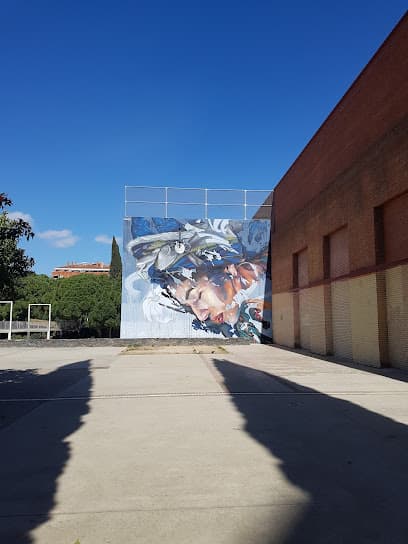
A sun-baked slab of concrete where the rhythmic thwack of a ball against stone serves as the soundtrack to a neighborhood still clinging to its gritty, industrial Poblenou soul.
0.0(0)
Park
ATTRACTION
Saraya Express
Sant Martí
A specialized travel outpost tucked away in Sant Martí. Saraya Express is where the logistics of a trip to Cairo meet the grit of Barcelona’s daily grind, far from the tourist-trap fluff.
0.0(0)
Tourist attraction
Frequently Asked Questions
Is Parc de Diagonal Mar worth visiting?
Yes, especially for architecture enthusiasts and families. It offers a unique, post-industrial design by Enric Miralles and giant slides that are a local favorite, all without the crowds of central parks.
What should I bring to the park?
If you plan on using the giant slides, bring a piece of cardboard or a thick cloth to sit on; it makes you go faster and protects your clothes from the concrete heat.
How do I get to Parc de Diagonal Mar?
Take the L4 Metro line to 'El Maresme | Fòrum' or 'Selva de Mar'. Both stations are a short 5-minute walk from the park entrances.
Is there an entrance fee?
No, Parc de Diagonal Mar is a public city park and is completely free to enter year-round.
Reviews
0 reviews for Av. Diagonal Mar
No reviews yet. Be the first to share your experience!